Photography tips wedding — what shapes the photograph
Useful photography tips wedding decisions are about preparation before the day rather than reaction during it. Couples find this article through searches like “photography tips wedding” when planning a wedding and wanting to understand what actually helps the photographs work versus what’s marketing.
This isn’t a gear list or a Pinterest mood-board guide. I’m not going to tell you what camera to ask the photographer about. What I can tell you, as a photographer who has worked across weddings, portraits, and intimate sessions for 25+ years, is what the camera rewards on the day and what it fights.
The orientation, briefly:
- Preparation beats reaction. The strongest frames come from scouting and planning before the day, not from improvising under pressure.
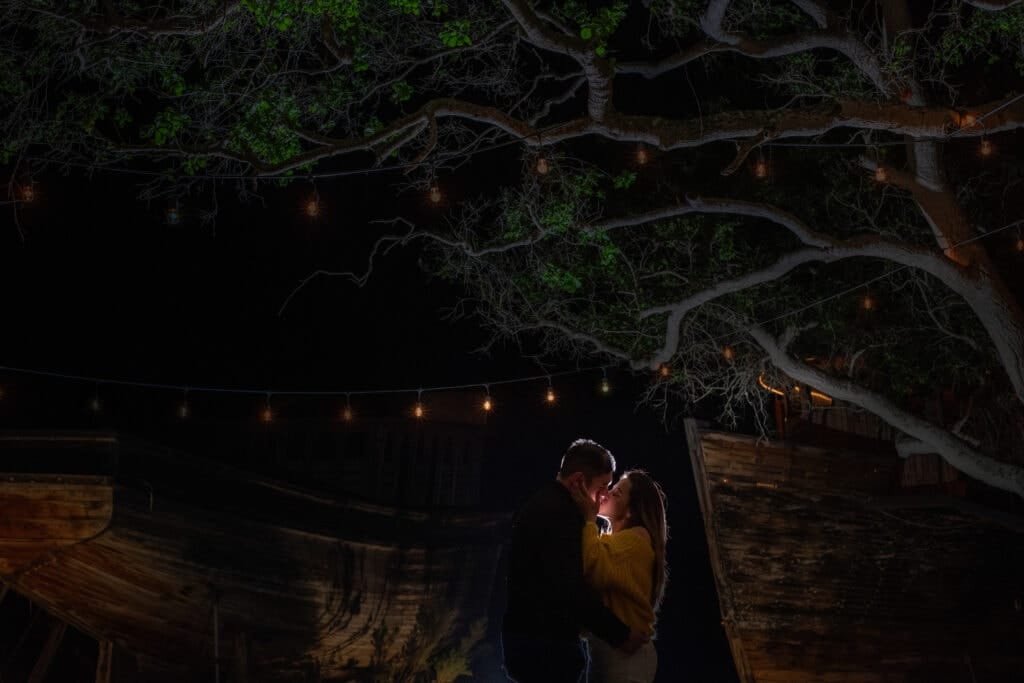
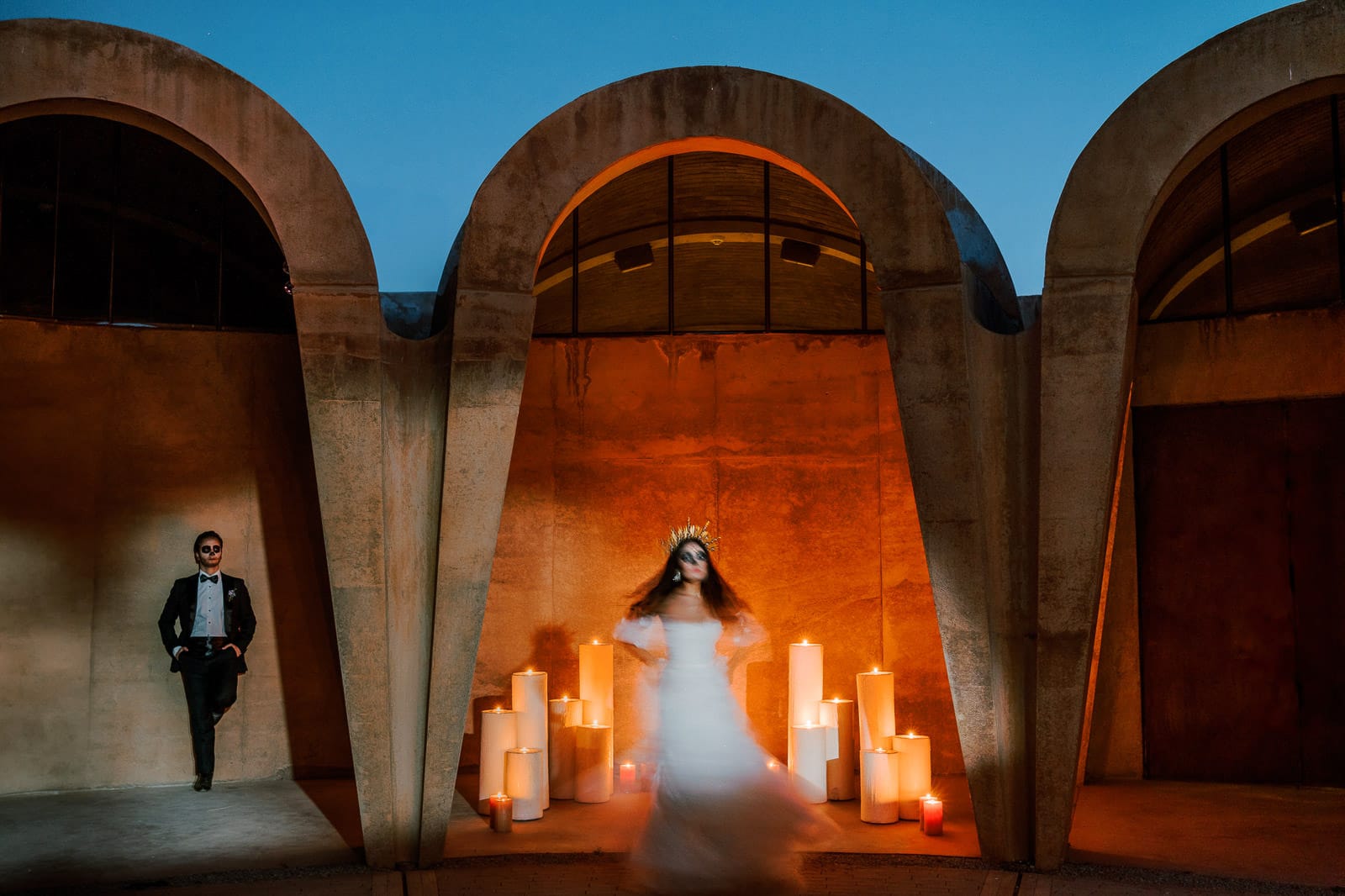
- Light is the variable. Late afternoon wraps the bodies cleaner than noon; the working hour matters more than any pose.
- Restraint reads cleaner. Three good frames beat thirty rushed ones across the entire archive.
- Photographer’s read. Quiet, calm, no performing for the camera.
What actually helps a wedding photograph during the day
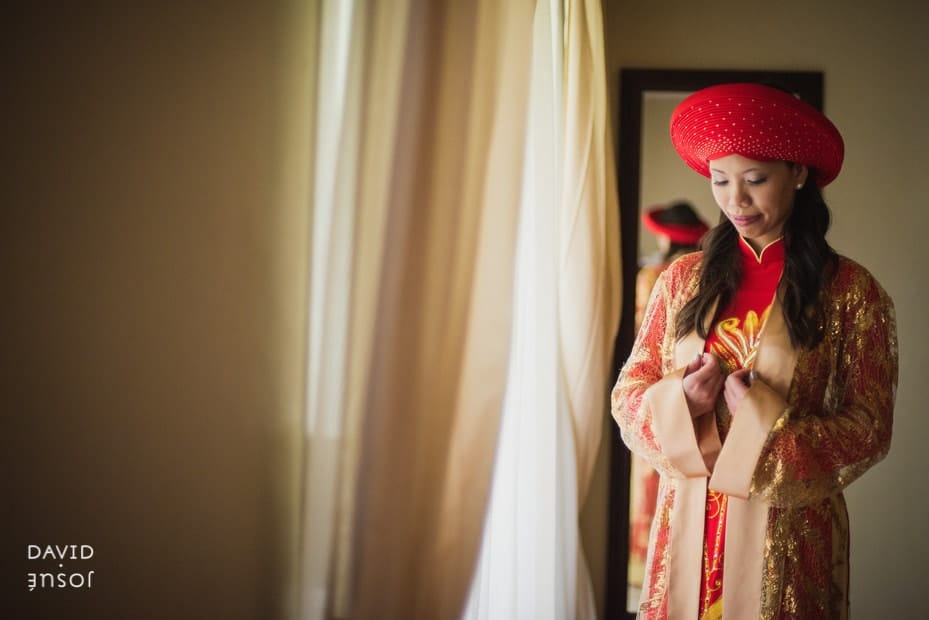
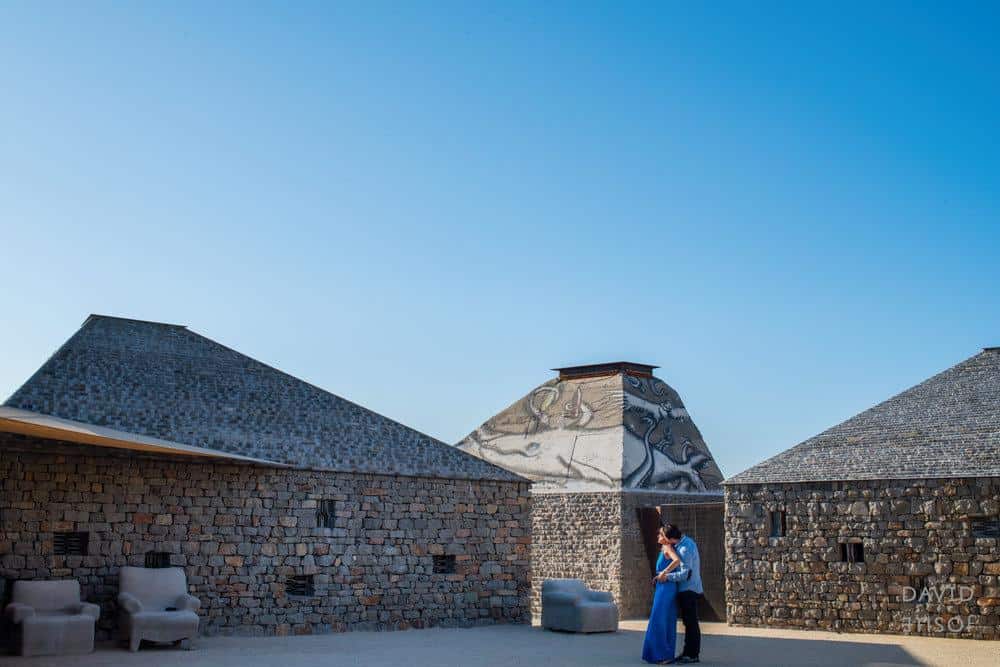
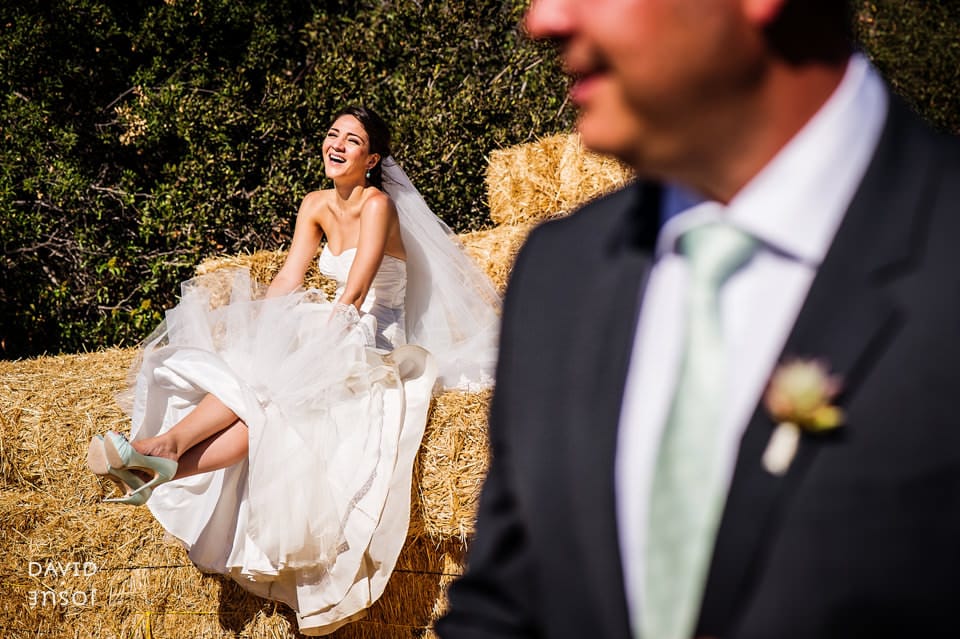
Useful photography tips wedding for the day itself lean on four practical moves. None of them are about gear or trends. All of them are about giving the camera the right working conditions.
The through-line, in plain terms:
- Scout the venue before the day. Light angles, wind direction, sheltered corners, where the sun falls during the ceremony hour. The photographer does this; the couple can confirm timing.
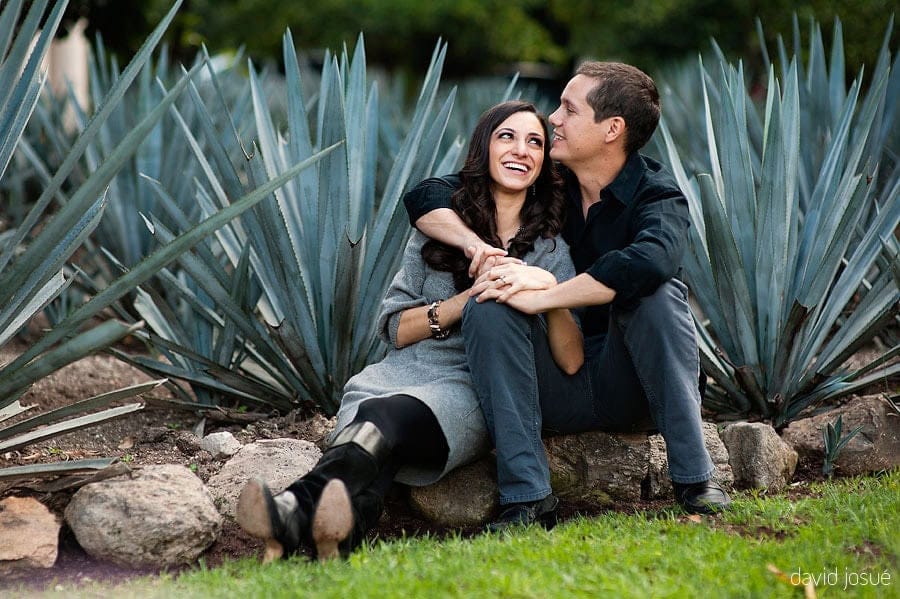
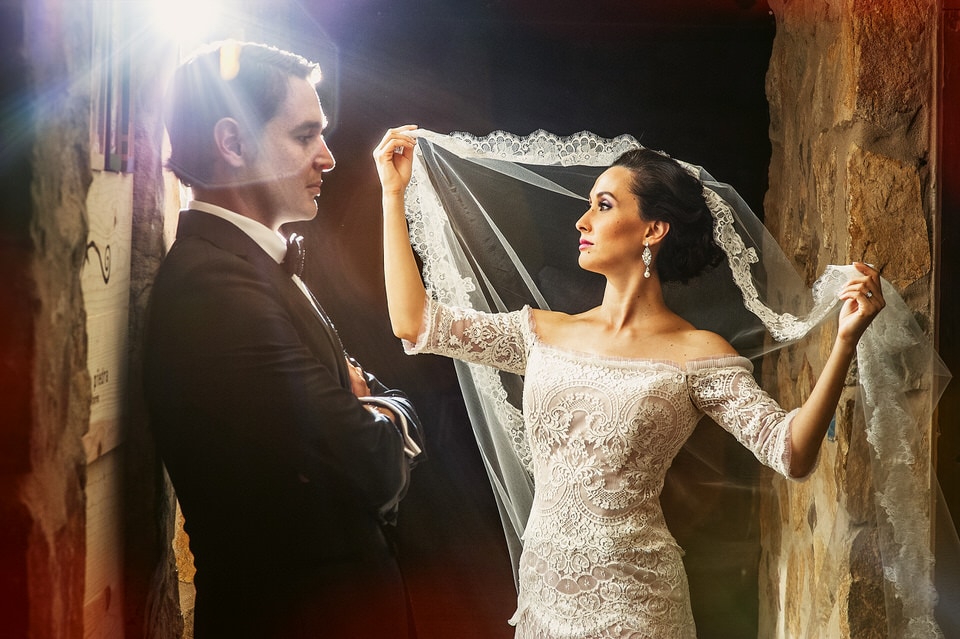
- Let the body settle. No rehearsed poses, no choreographed reactions during the ceremony. The body reads tense when it tries to perform a saved reference.
- Trust the working hour. Late afternoon wraps the bodies cleaner than noon. Hard sun adds tension and bites the highlights; later light is more generous.
- Cover the in-between moments. The strongest frames live there, not in the formals. The hand finding another hand under the table, the breath before the walk, the quiet two-beat after the kiss.
The practical version: a wedding photographs differently when the photographer reads the day rather than executes a checklist.
What to skip — what doesn’t help a wedding photograph
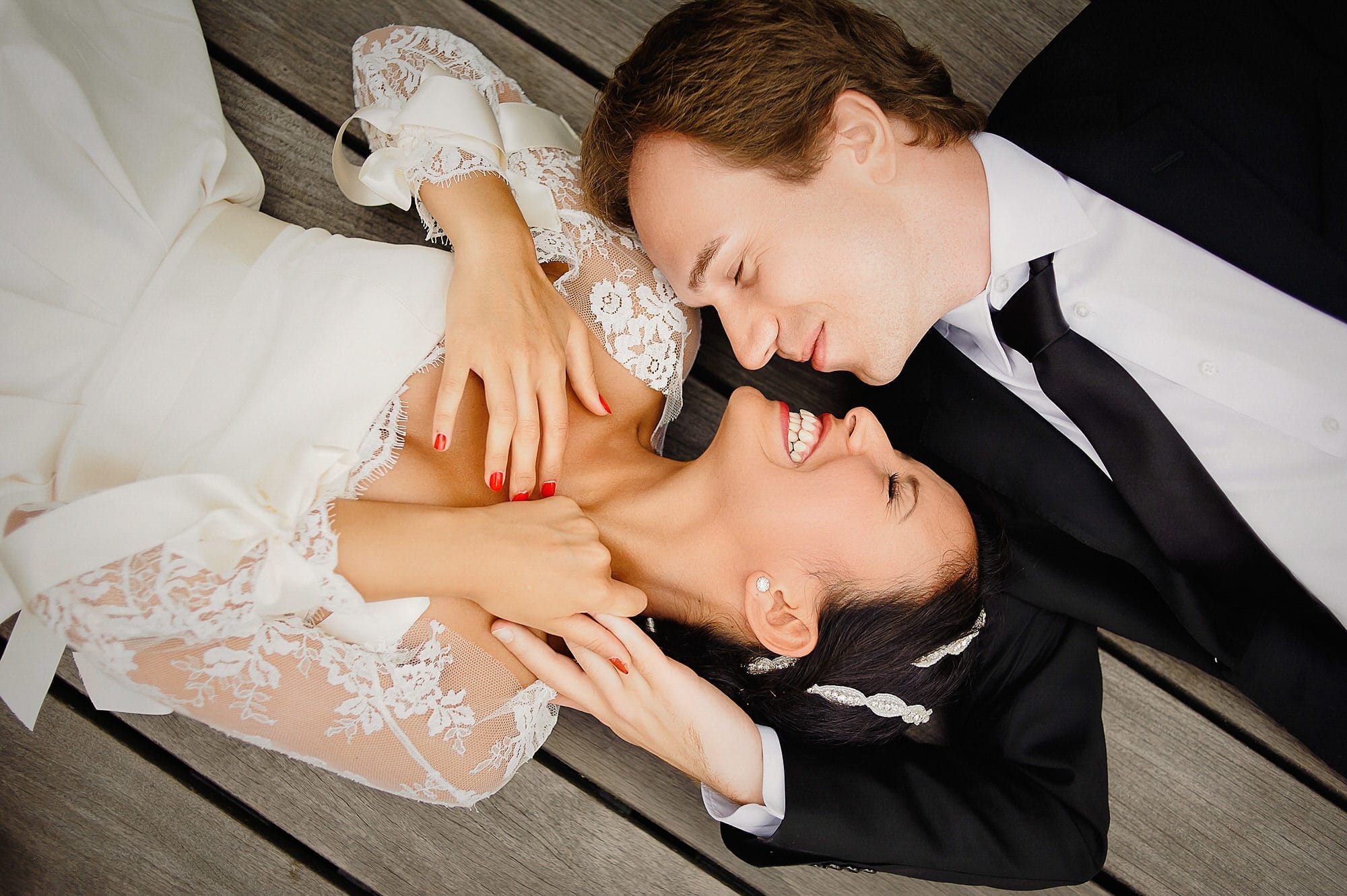
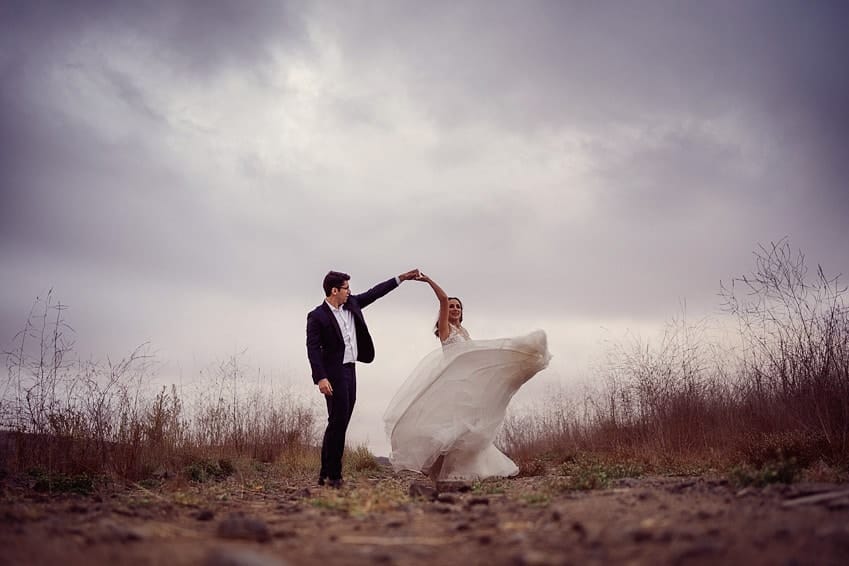
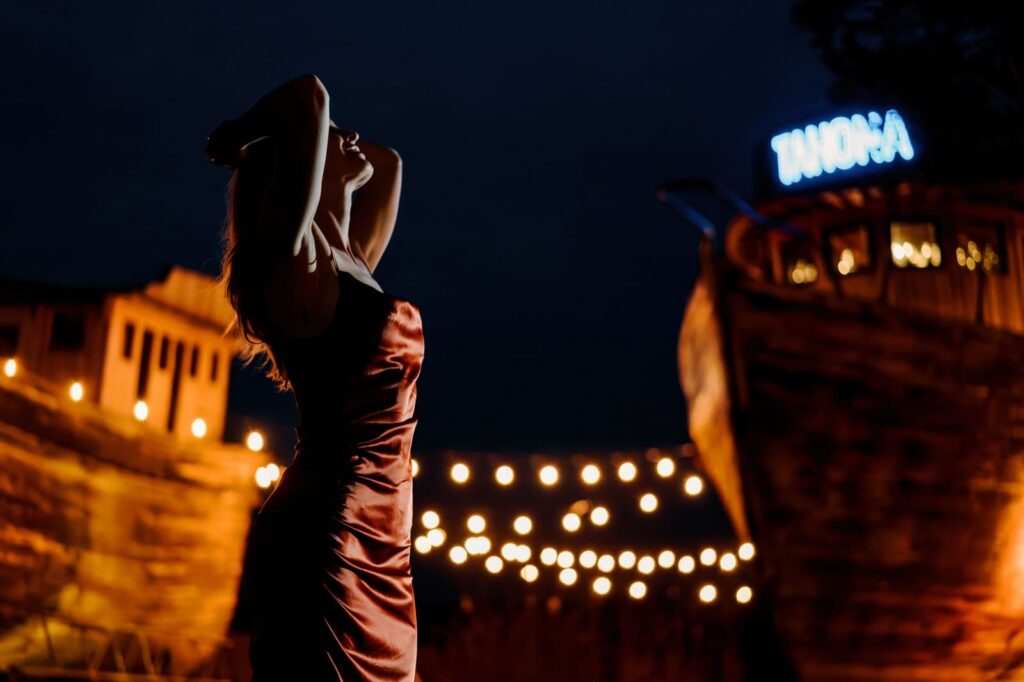
Some photography tips wedding instincts popular online actively hurt the day. They feel productive but the camera reads them as friction rather than as care. Worth knowing before the wedding.
The through-line, in plain terms:
- Shot lists with hundreds of items. The camera follows the day, not a checklist. A long list pulls the photographer’s attention from the gestures that actually happen.
- Noon ceremonies in hard sun. The light flattens the body and bites the highlights. The camera struggles to hold detail in faces under direct overhead sun.
- Pinterest-pose recreation. The body locks when it tries to perform someone else’s photo. Gesture beats imitation every time.
- Preset-batch editing. Every frame deserves its own read on skin tone, contrast, and grain. Batch-applied presets flatten the archive.
The practical version: friction is the enemy of a quiet wedding photograph. Anything that adds tension to the day or the bodies makes the camera’s job harder.
How David Josué reads a wedding day


Photography tips wedding work differently in practice than they read in articles. The body is comfortable. The camera is quiet. The day breathes.
Before any wedding day, I scout the venue. I read where the sun lands during the working hour, where the wind picks up, which corner stays sheltered, how the venue transitions from ceremony to reception. None of that work is visible to you on the day.
By the time I have a camera out, the choreography is already decided. Not yours — mine. You don’t get a shot list. You don’t pose. You don’t perform for the camera. Most people have spent their adult lives being told to look a certain way for photos, and the body locks the moment a lens points at it. My job is to undo that lock before I make a single frame.
The practical shape of how I work:
- Calm direction. No shot list, no choreography, no performing for the camera.
- Quiet preparation. I read the venue’s specific light before the day.
- 25+ years. Photographing weddings in Mexico, Europe, and several other countries.
- Documental, Signature, and Bespoke collections. Pricing on request, sized to the day you actually want.
A wedding rewards a photographer who reads the day rather than executes a checklist.
Five years from now
Five years from now, you open a folder. Maybe it’s the anniversary morning. Maybe it’s a random Tuesday and you needed something to hold onto.
The folder works or it doesn’t.
If it works, the day returns to you — the gestures the camera held, the light at the working hour, the partner across the aisle in the second before the vows. You’re not looking at pretty pictures of a wedding. You’re standing in the day again.
The archive returns the moment. Not just pictures of it.
If it doesn’t work, the folder is a stranger’s wedding. The pictures are technically fine. They’re nicely lit. But the day doesn’t return.
The most useful photography tips wedding any couple can hear: pick the photographer whose eye matches yours, then let the day breathe. The archive depends on how the camera read the day, not on which Pinterest pose was executed.