The picture proposal — what shapes the photograph
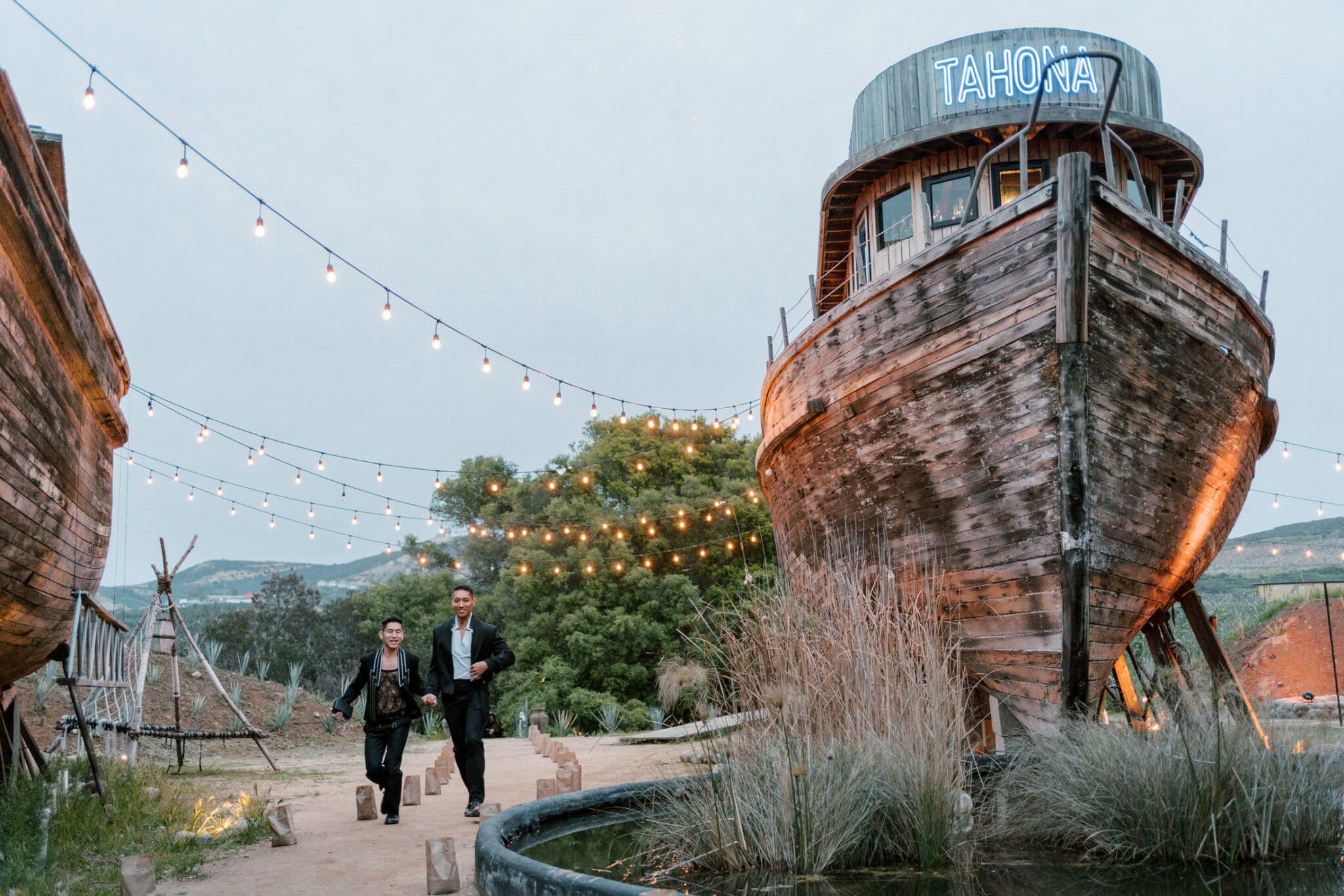
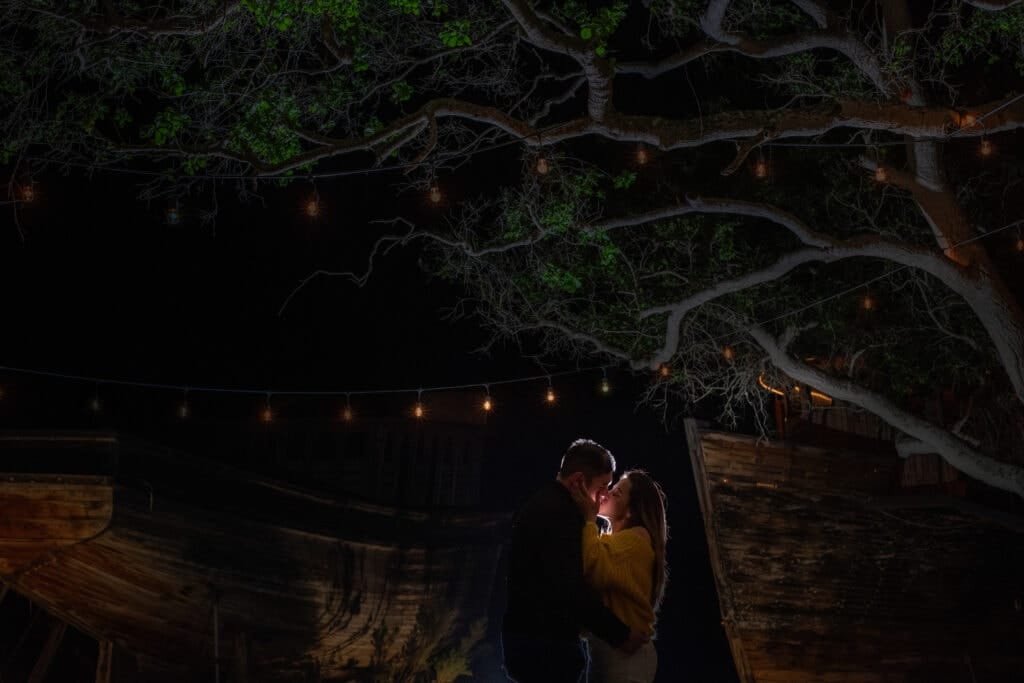
A picture proposal is a documented proposal moment — real, not staged. Couples find this article through searches like “picture proposal” when planning to document the actual moment of asking, not a re-enactment after the fact.
This isn’t a stage-management guide. I’m not going to teach you to choreograph a fake kneel for the camera. What I can tell you, as a photographer who has worked across proposals, weddings, and intimate sessions for 25+ years, is what the camera reads cleanly when the moment is real, and how to set up a session so the surprise stays intact.
The orientation, briefly:
- Real, not staged. The body language, the surprise, the gesture all read differently when the moment is real.
- Photographer is invisible. Positioned before the moment arrives, hidden in plain sight during.
- Context matters. Location reads as part of the photograph, not just backdrop.
- Photographer’s read. Same wedding-day instinct — quiet, calm, no performing for the camera.
What a real picture proposal actually delivers in the archive
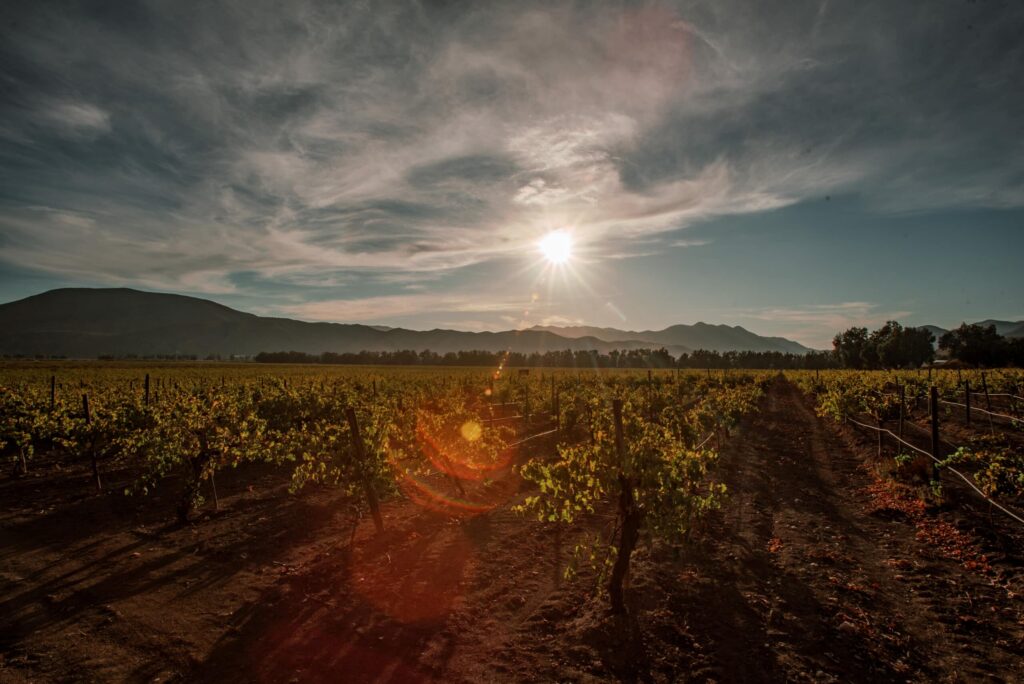
A picture proposal that reads as documentary rather than as a styled portrait session leans on four photographic moves. Each is grounded in the real-time surprise and the body’s read on something unexpected.
The through-line, in plain terms:
- The moment of surprise. The body’s read on something unexpected, captured in real time. The face, the hand, the half-step — all reach the lens before the brain has processed.
- The gesture between two people. The hand reaching, the kneeling, the embrace. Documentary work catches the geometry between two bodies in motion.
- Context-setting wide frames. The location reads as part of the photograph rather than as backdrop. The vineyard, the cliff, the dusk-lit street are characters in the archive.
- The quiet moments after. The body settling into the news, often the strongest frames of the session. The phone call to family, the silent embrace, the walking-while-laughing — these are where the archive lives.
The practical version: a real picture proposal archive holds the moment AND the minutes around it, not just the kneel.
How to plan a picture proposal with a photographer
A picture proposal rewards a few decisions made before the day. None of them are about rehearsal. All of them are about positioning the photographer so the surprise stays real for one of you while the camera holds the moment.
The practical version, in rough order:
- Location. Pick a place that means something to both of you, not a generic photogenic backdrop. The personal meaning reads through the photograph and ages cleanly.
- Timing. Late afternoon to dusk. The working hour wraps the moment in warm light; harder hours add tension to the photograph.
- Logistics. The photographer arrives well before the planned moment, scouts the position, hides in plain sight. Long lens from a distance reads cleaner than someone obviously holding a camera nearby.
- Post-proposal portraits. Plan a short window after the moment for couple portraits in the same light. The newly-engaged body reads warmer than any pre-proposal session.
The practical version: a planned picture proposal session keeps the surprise real and the archive deep.
How David Josué works a proposal session
A picture proposal session photographs differently from a wedding day, but the underlying instinct is the same. The body is comfortable — for the one asking. The body is surprised — for the one being asked. The camera is quiet. The session breathes.
Before any proposal shoot, I scout the location. I read where the sun lands during the working hour, where I can position the lens at a distance that doesn’t tip the surprise, which corner of the place holds the cleanest light for the post-proposal portraits. None of that work is visible to either of you on the day.
By the time I have a camera out, the choreography is already decided. Not yours — mine. You don’t get a shot list. You don’t rehearse. The proposal happens as planned by the one asking; the camera holds the surprise for the one being asked.
The practical shape of how I work:
- Calm direction. No rehearsal, no choreography, no performing for the camera.
- Quiet preparation. I scout the proposal location before the day.
- 25+ years. Photographing weddings in Mexico, Europe, and several other countries.
- Documental, Signature, and Bespoke collections. Pricing on request, sized to the session you actually want.
A real proposal rewards a photographer who works invisibly until the moment passes.
Five years from now
Five years from now, you open a folder. Maybe it’s the anniversary of the proposal. Maybe it’s a random Tuesday and you needed something to hold onto.
The folder works or it doesn’t.
If it works, the afternoon returns to you — the surprise on the face, the hand reaching, the light at the moment you’ll remember for the rest of your life. You’re not looking at pretty pictures of a proposal. You’re standing in the afternoon again.
The archive returns the moment. Not just pictures of it.
If it doesn’t work, the folder is a stranger’s proposal. The pictures are technically fine. They’re nicely lit. But the afternoon doesn’t return.
A picture proposal gives a photographer the real moment of surprise paired with the quiet minutes after. What the archive keeps depends on how invisibly the camera worked the moment, and how cleanly it held the body’s read.