Valle de Guadalupe — the photographer’s read of the region
Valle de Guadalupe is Mexico’s wine country, sitting in Baja California east of Ensenada and south of Tecate. The region combines vineyards, modern restaurants, traditional Mexican kitchens, and boutique hotels across rolling vineyard slopes — a geography that has made it one of the country’s most photographed wedding destinations.
This article isn’t a generic tourism guide. As a photographer who works valle de guadalupe weddings across the year, what I can tell you is which experiences in the region photograph well around a wedding, which ones don’t translate to camera, and how to think about the days surrounding the ceremony when you’re building a multi-day celebration for traveling guests.
The orientation, briefly:
- Location. Baja California, east of Ensenada, south of Tecate.
- Character. Wine country with strong restaurant culture, distinct architectural language across properties, and boutique hospitality.
- Photographer’s read. The region’s light and architecture reward couples who plan multi-day experiences, not single-day events.
- Best for. Destination weddings with guests traveling in from out of region.
What the Valle offers wedding couples and their guests
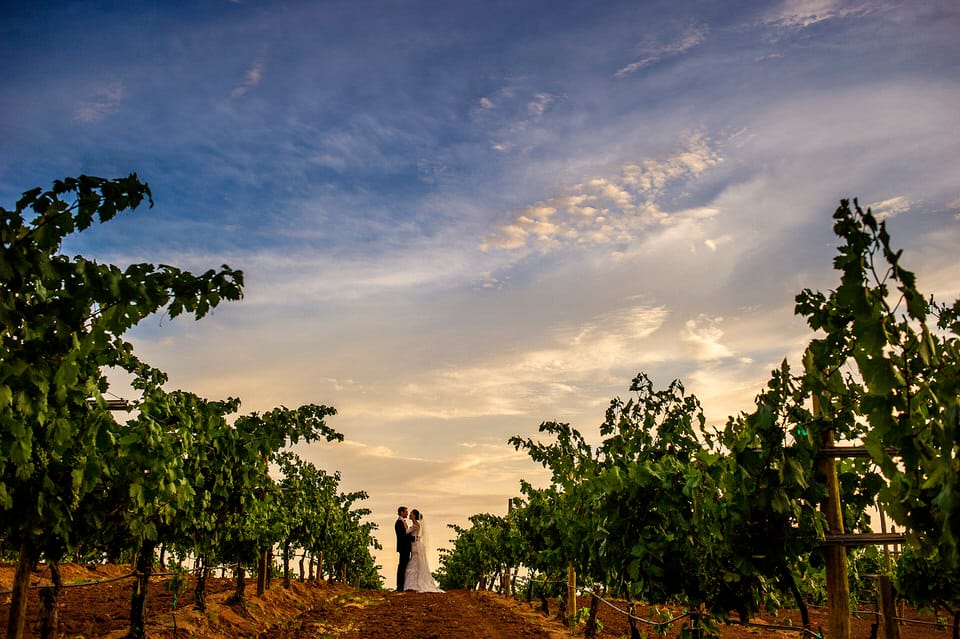
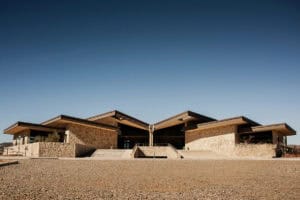
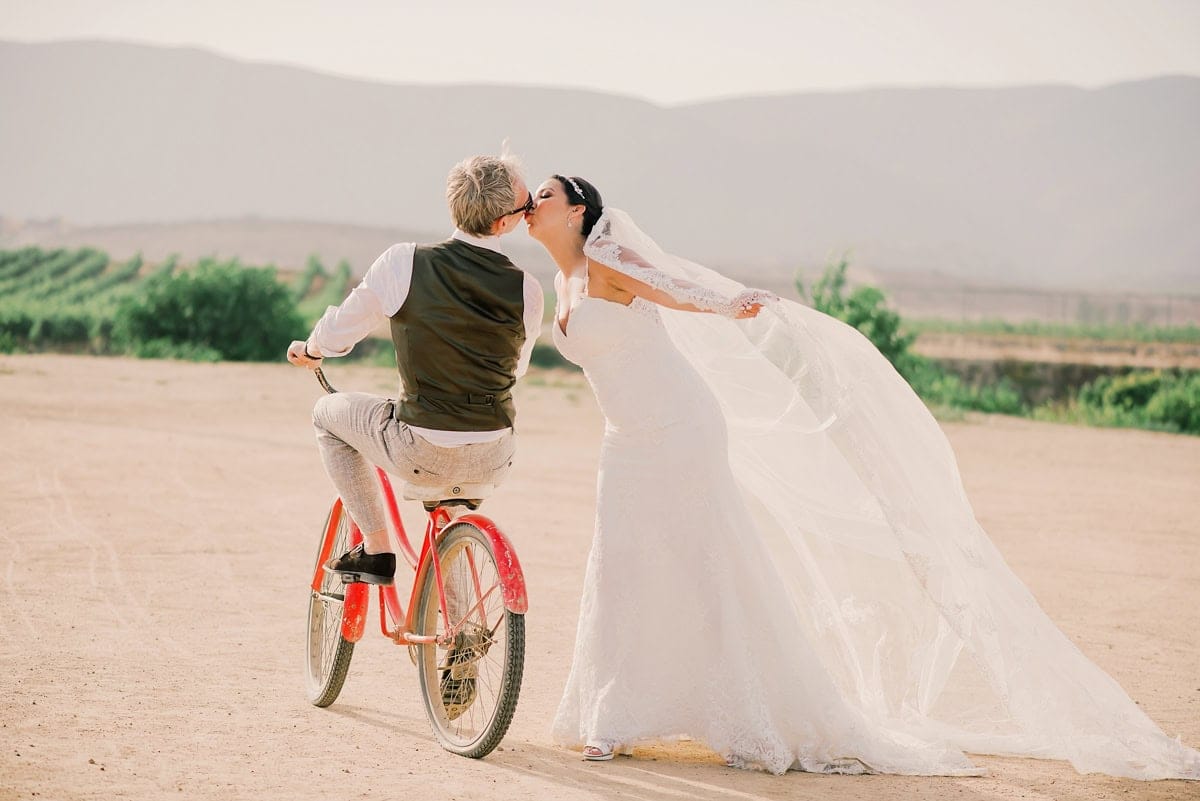
Couples building a wedding weekend in valle de guadalupe usually pull from a familiar set of regional offerings. Knowing the categories helps shape the multi-day timeline.
The regional offerings, in broad terms:
- Wineries open for tasting. Most operate by reservation. Verify hours and group-size requirements directly with each property — policies vary by season and day of the week.
- Restaurants. Range from open-air vineyard kitchens with wood-fired ovens to formal dining inside hotel and resort properties.
- Baja Med cuisine. The regional culinary identity — Mediterranean techniques applied to Baja’s coastal ingredients. Seafood, local produce, regional wine pairings.
- Boutique hotels and vineyard resorts. Lodging across price points, from small B&Bs to large resort properties with multiple rooms on extensive grounds.
- Guided experiences. Vineyard tours, harvest activities (seasonal), regional cooking demonstrations.
The practical version: a wedding weekend that uses three to four of these categories across the days leaves guests with a richer experience than a single-day event. The photographer’s job widens too — the camera follows the couple through multiple settings instead of one.
Which Valle experiences photograph well around a wedding
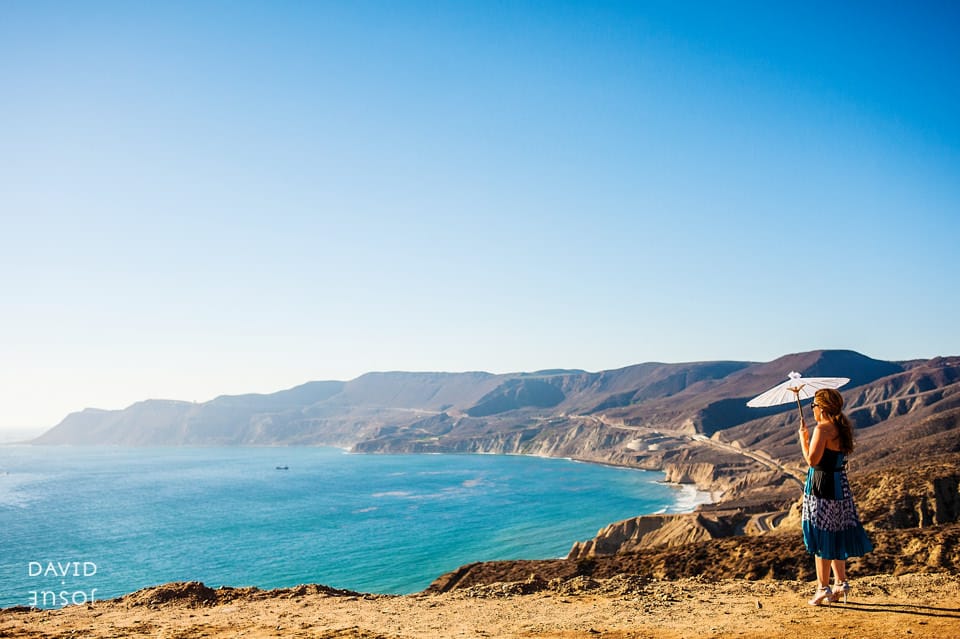
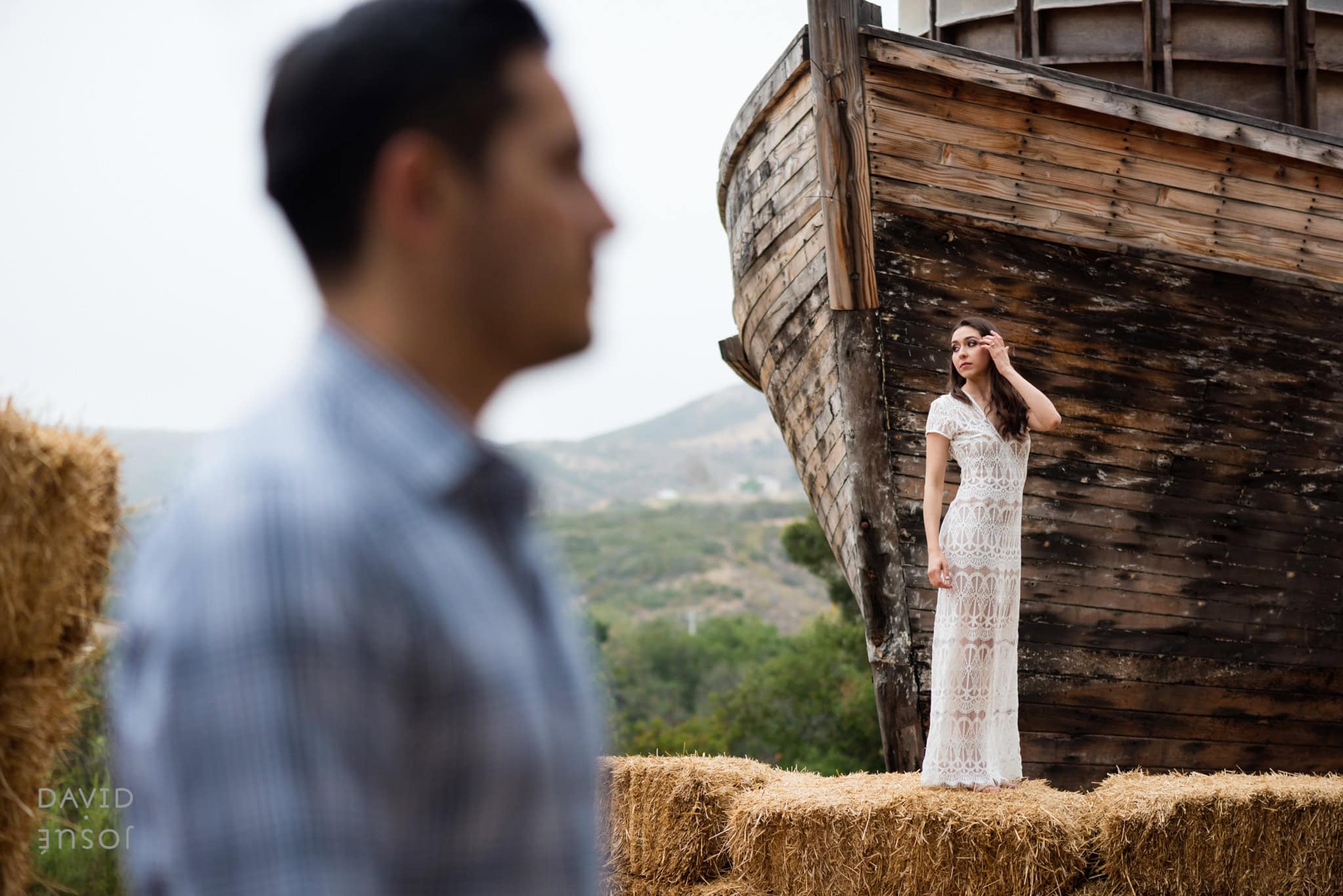
Not every regional experience translates to camera in the same way. Some are visually generous; others are private moments that don’t need documentation.
The experiences that photograph well around a wedding, in valle de guadalupe context:
- Engagement or pre-wedding session at a vineyard. Golden hour against clean receding vine rows. The camera benefits from quiet, controlled scope.
- Rehearsal dinner at an open-air restaurant. Natural light, warm tones, intimate scale. The frames carry the energy of the night before without requiring posed shots.
- Day-after brunch on a hotel terrace or vineyard property. Soft morning light, relaxed energy. A different photograph than wedding-day frames — looser, quieter.
- Guest welcome event at a winery. Controlled environment, photograph-friendly, lets the camera document the day’s arrival without intrusion.
What doesn’t translate as well: guided tours during the middle of the day (harsh light, distracting groups), private downtime (genuinely shouldn’t be documented), late-night bar visits (poor light, the body’s tired).
The practical version: pick two or three experiences across the wedding weekend that you actually want photographed, not the whole calendar.
How David Josué works with multi-day Valle weddings

Multi-day weddings need a different working approach than single-day events. The photographer is present across more hours, in more settings, with more transitions to manage.
Before any multi-day valle de guadalupe wedding, I scout the key locations across the region. I read the light at the times that matter, learn where the wind picks up, plan the routes between the venues. None of that work is visible to you on the wedding weekend.
By the time I have a camera out, the choreography is already decided. Not yours — mine. You don’t get a shot list. You don’t pose. You don’t perform for the camera. Most people have spent their adult lives being told to look a certain way for photos, and the body locks the moment a lens points at it. My job is to undo that lock before I make a single frame.
The practical shape of how I work:
- Calm direction. No shot list, no choreography, no performing for the camera.
- Quiet preparation. I read the region’s geometry and the weekend’s routes before the celebration.
- 25+ years. Photographing weddings in Mexico, Europe, and several other countries.
- Documental, Signature, and Bespoke collections. Pricing on request, sized to the day you actually want.
A multi-day valle de guadalupe wedding rewards a photographer who’s done the regional scouting.
Five years from now
Five years from now, you open a folder. Maybe it’s the anniversary morning. Maybe it’s a random Tuesday and you needed something to hold onto.
The folder works or it doesn’t.
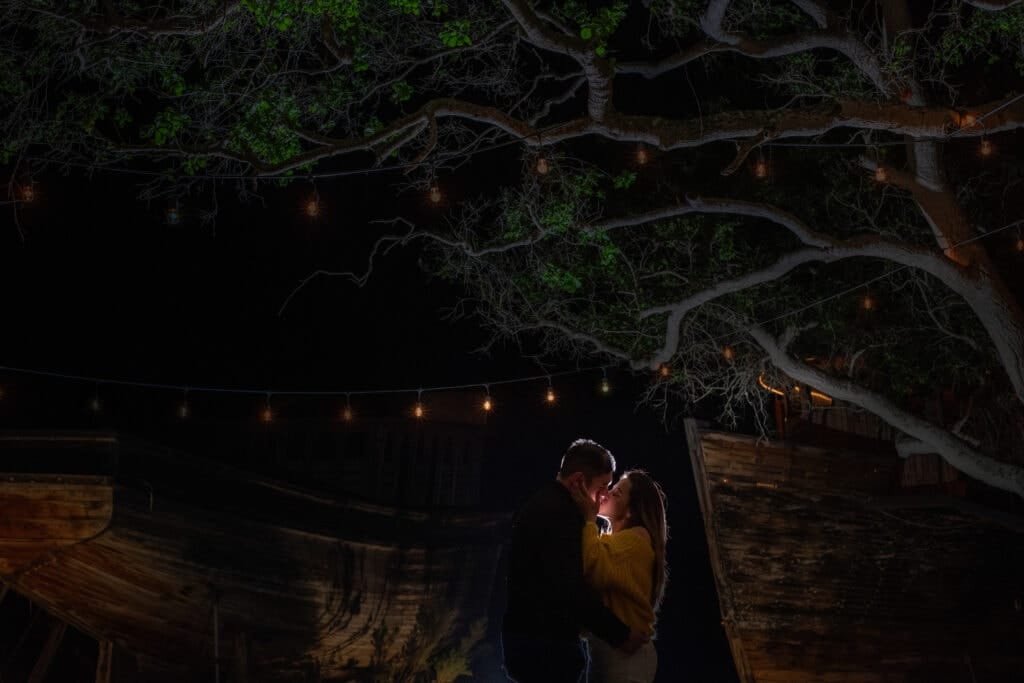
If it works, the Valle returns to you — the engagement walk through the vineyard, the rehearsal dinner under string lights, the day-after brunch on a terrace as your guests started saying goodbye. You’re not looking at pretty pictures of a wedding. You’re standing in the weekend again.
The archive returns the moment. Not just pictures of it.
If it doesn’t work, the folder is a stranger’s wedding. The pictures are technically fine. They’re nicely lit. But the days don’t return.
A valle de guadalupe wedding weekend gives a photographer multiple working environments across multiple days. What the archive keeps from that depends on how the celebration was timed and worked.