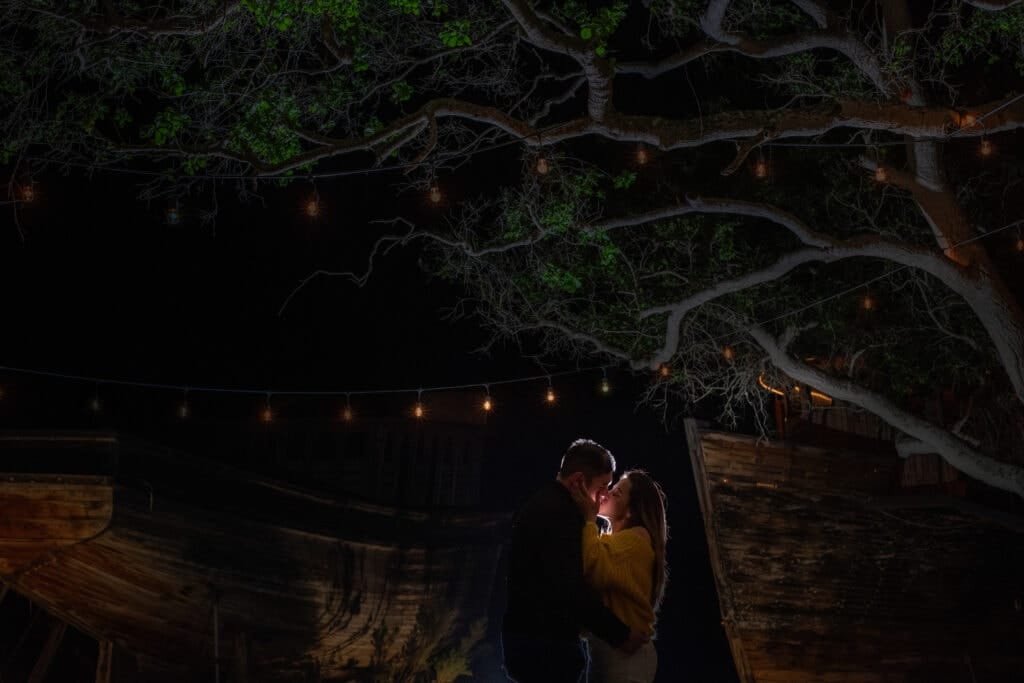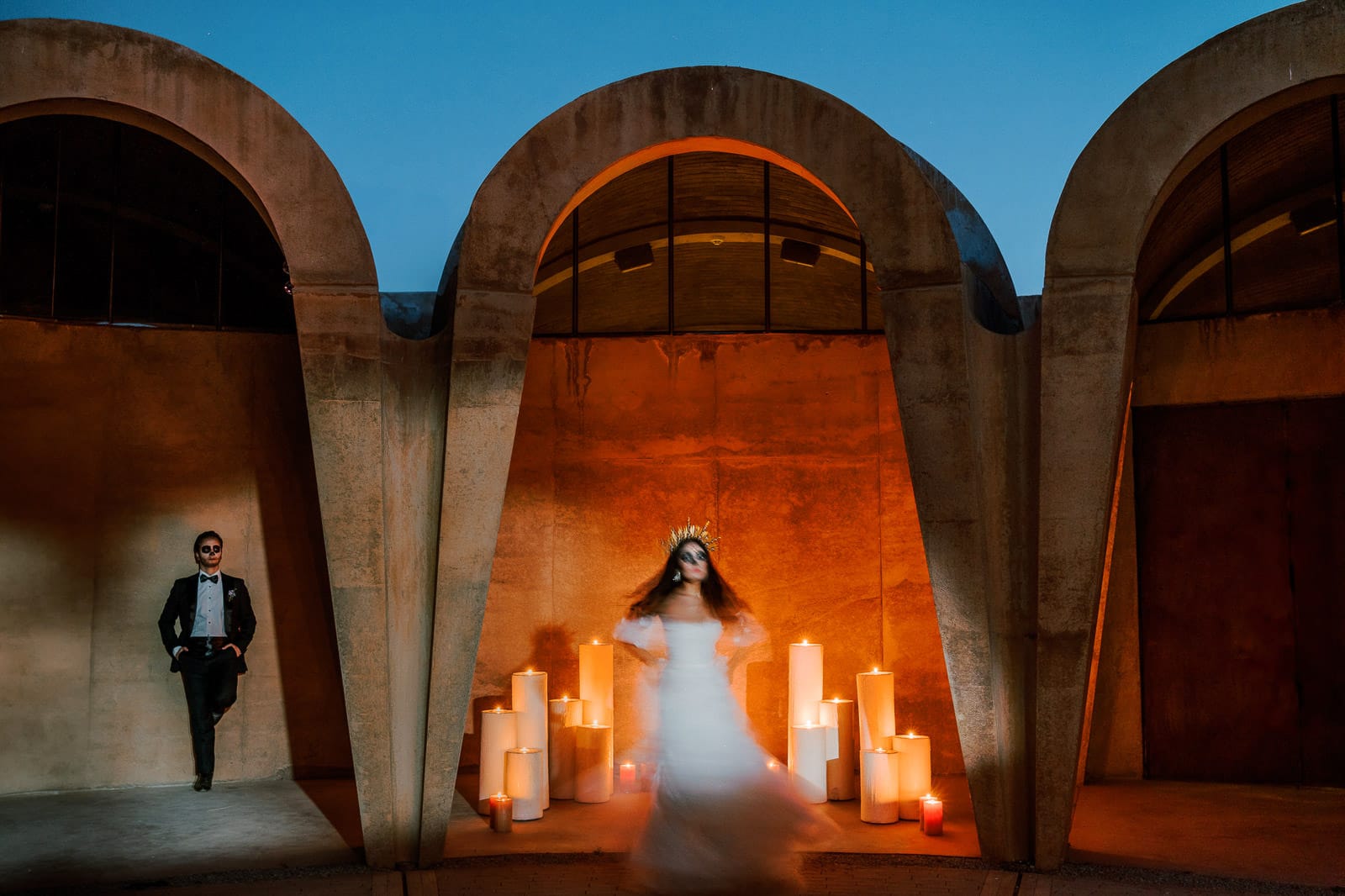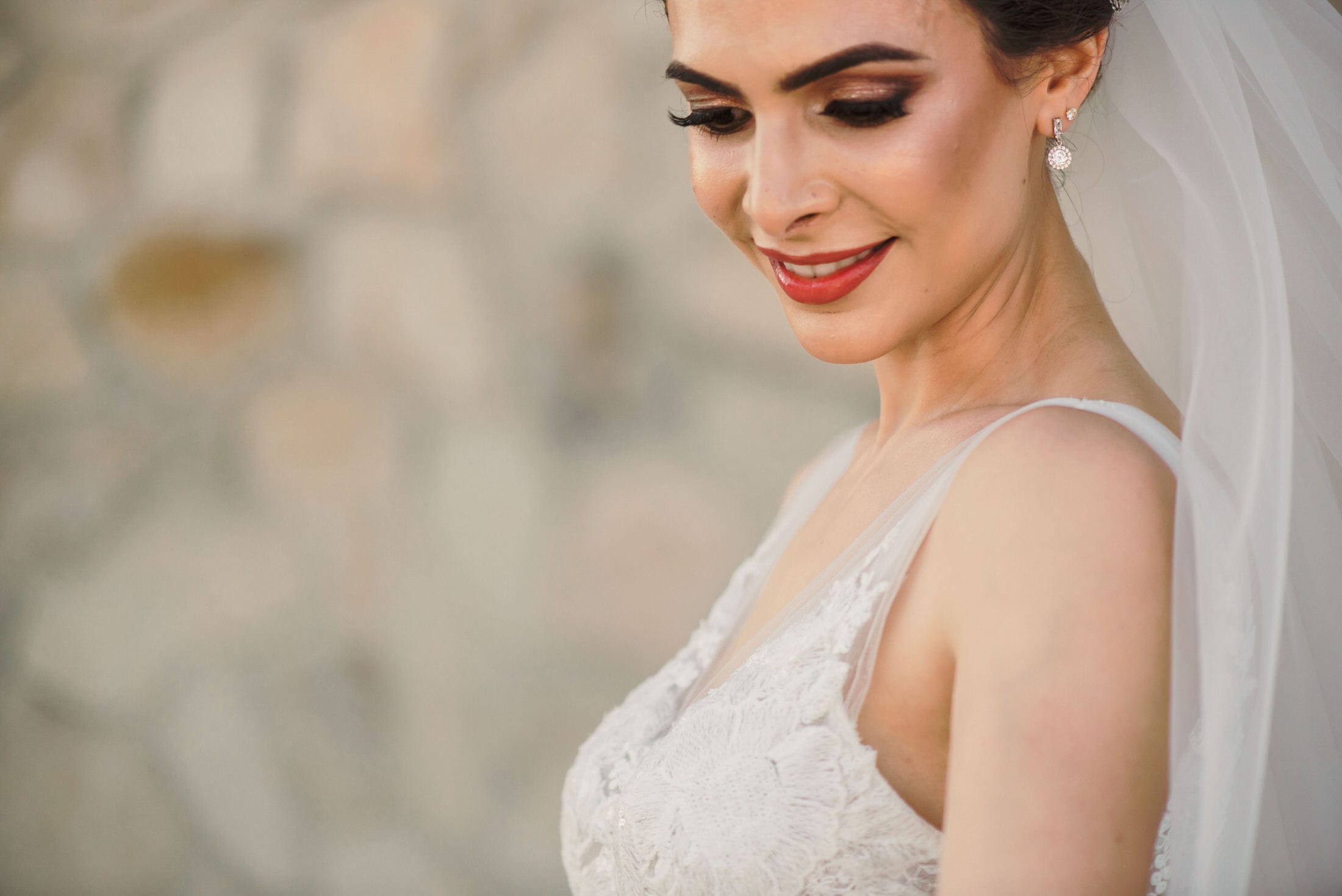
Museo de la Vid y el Vino — wine museum and event venue
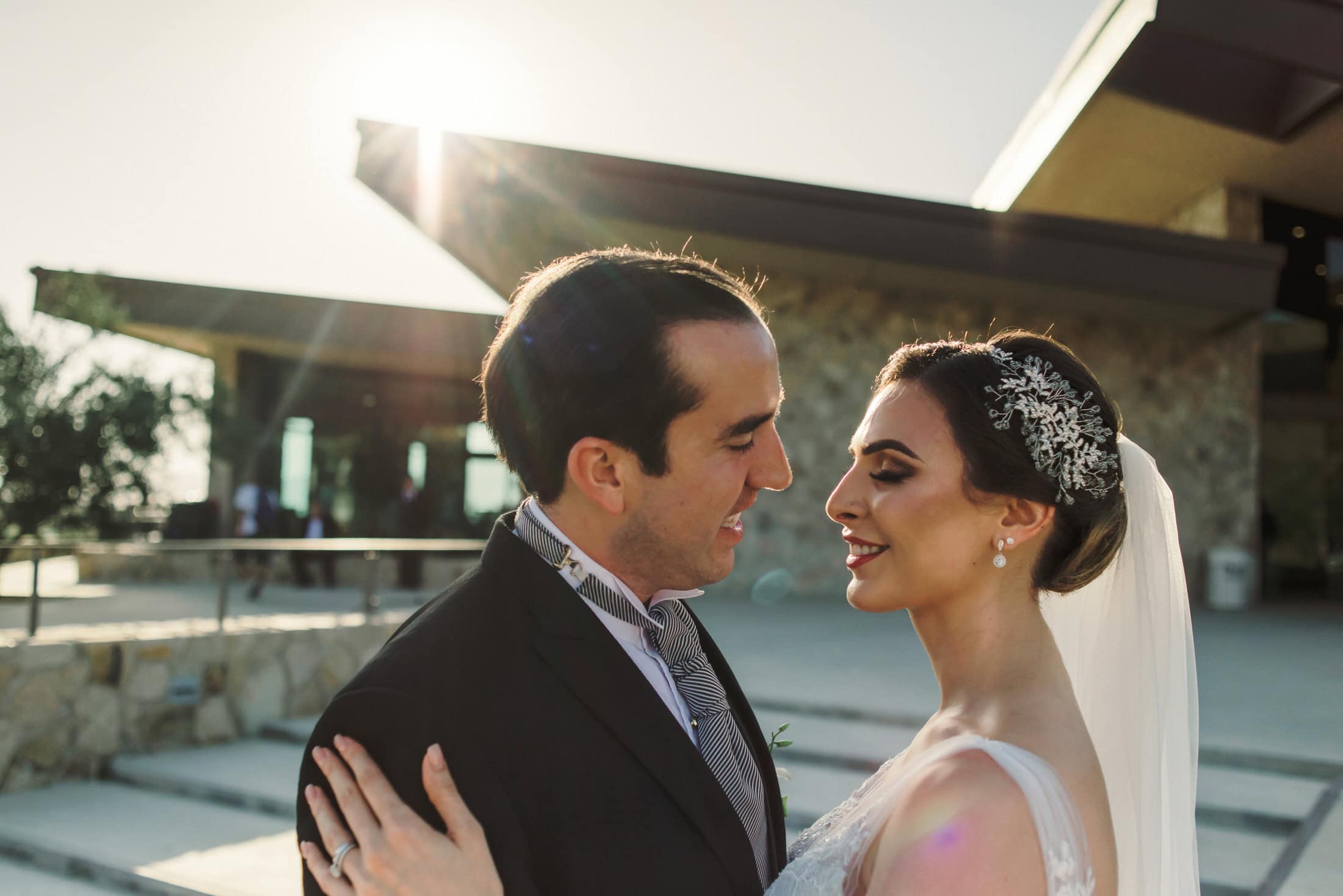
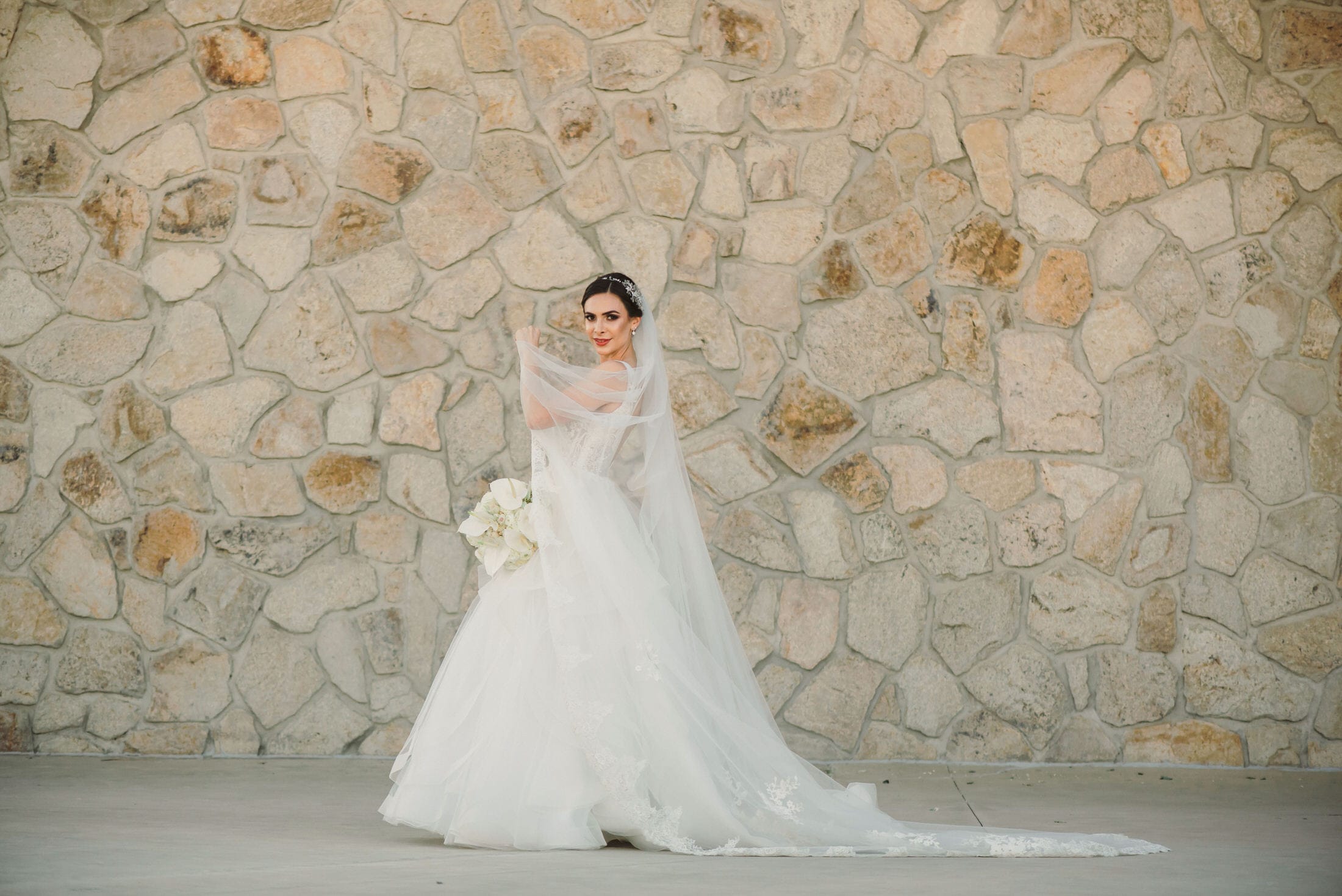
Museo de la Vid y el Vino is the wine museum and event property along the Ruta del Vino in Valle de Guadalupe. The museum’s modern architecture sits against working vineyards on the property’s edges, and it’s one of the region’s distinctive venues — most Valle de Guadalupe wedding venues lean Tuscan or hacienda; the Museo brings a different visual language entirely.
Couples find this article through searches like “valle de guadalupe wedding venues” or “wedding venues valle de guadalupe” when researching the region’s options. I’m not the planner, and I don’t book the museum. What I can tell you, as a photographer who works the Ruta del Vino corridor, is what the museum’s architecture gives a camera and how the day photographs against the vineyards surrounding it.
The orientation, briefly:
- Location. Along the Ruta del Vino in Valle de Guadalupe, Baja California.
- Architecture. Modern museum lines against working vineyard backdrop.
- Photographer’s read. The museum gives the camera clean rectilinear backdrop options; the vines deliver the standard regional golden-hour frames.
- Strong fit for. Couples who want modern architectural language paired with the regional vineyard setting.
What the Museo gives a camera
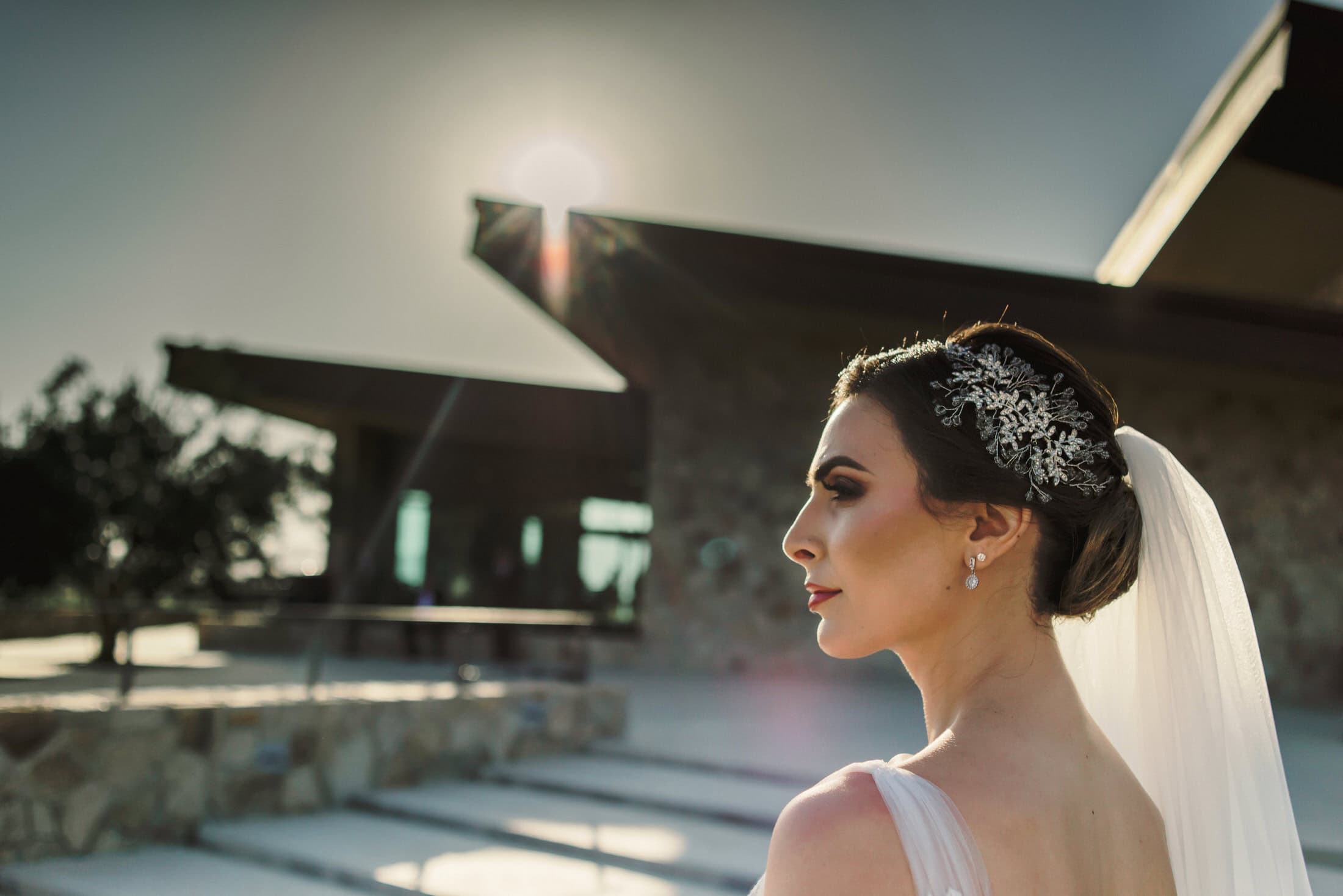
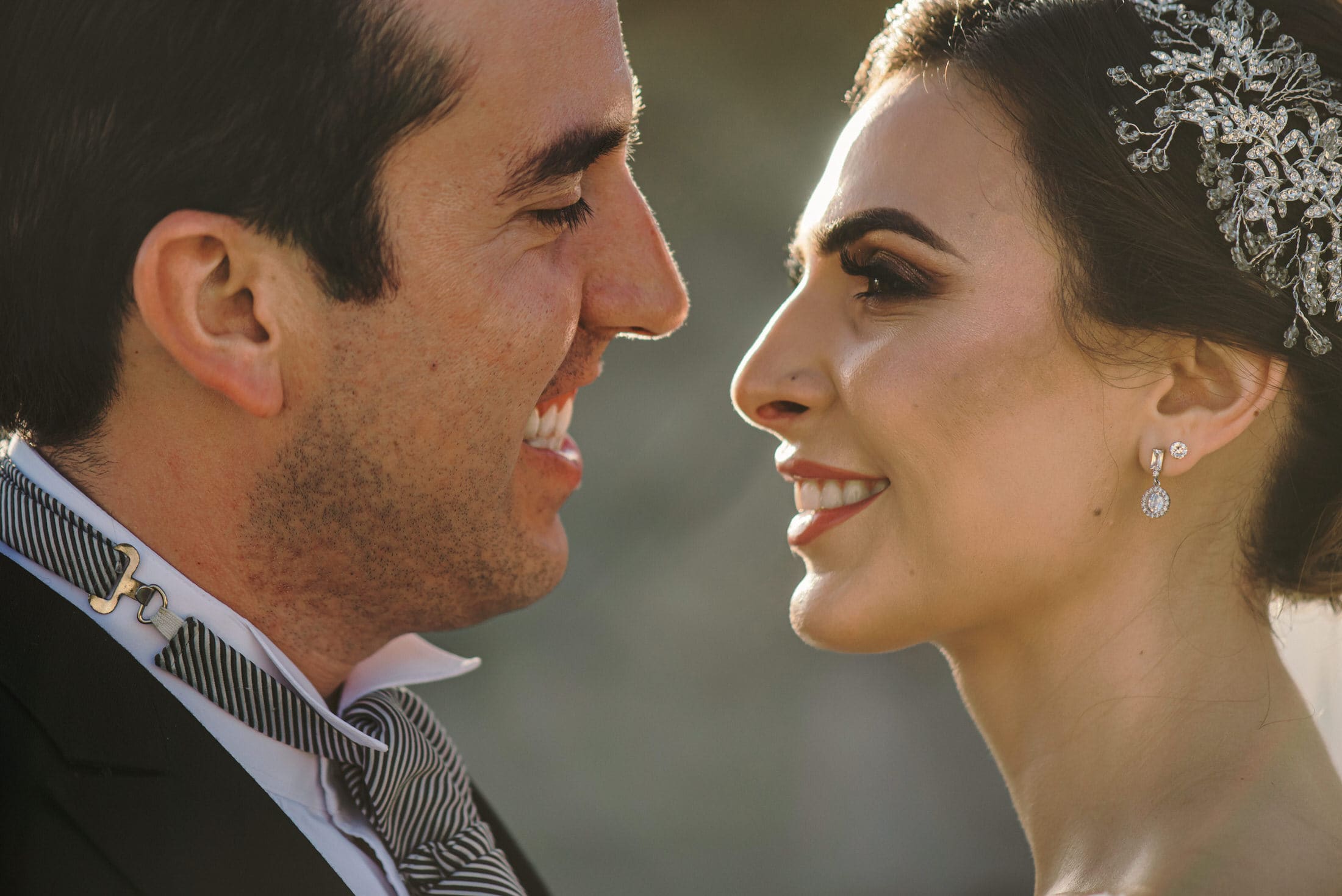
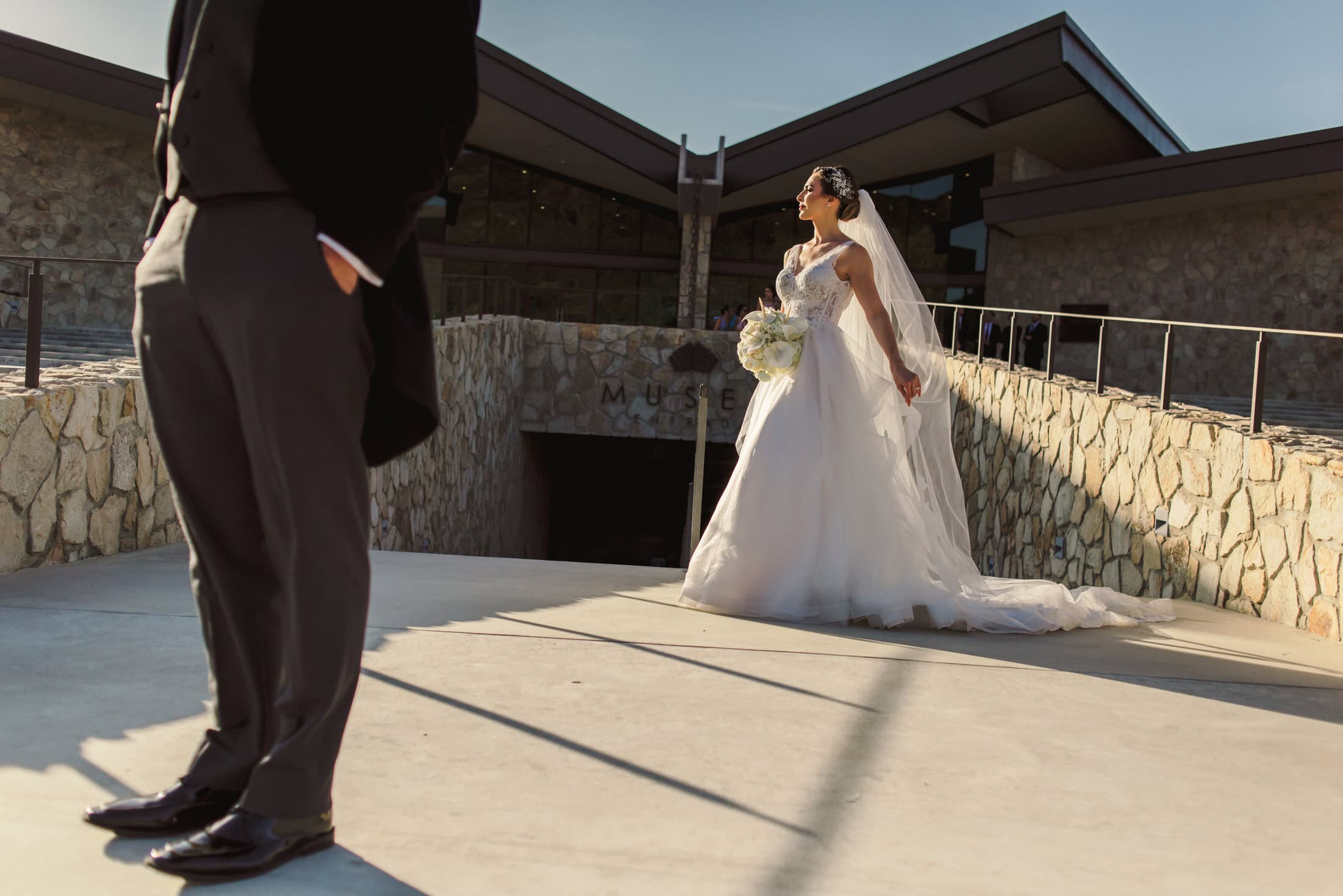
The Museo de la Vid y el Vino photographs differently from most valle de guadalupe wedding venues because the architecture is modern rather than rustic-traditional. Knowing the differences helps couples read what the property will deliver in the final gallery.
The through-line, in plain terms:
- Modern architectural lines. Clean rectilinear geometry against the soft vine rows on the property’s edges. The contrast is the visual signature.
- Interior museum spaces. Controlled environment with managed light — useful as a backup if outdoor weather shifts during the wedding day.
- Vineyard surroundings. Vine geometry on the property’s edges. Receding lines during golden hour deliver couple portraits with depth.
- Ruta del Vino corridor location. Easy logistical pairing with neighboring properties for multi-venue weddings — ceremony at the museum, reception elsewhere, or vice versa.
The practical version: this property rewards couples who want modern architectural backdrop without giving up the regional vineyard setting. The camera moves between two distinct working environments without leaving the property.
How a Museo wedding photographs across the day
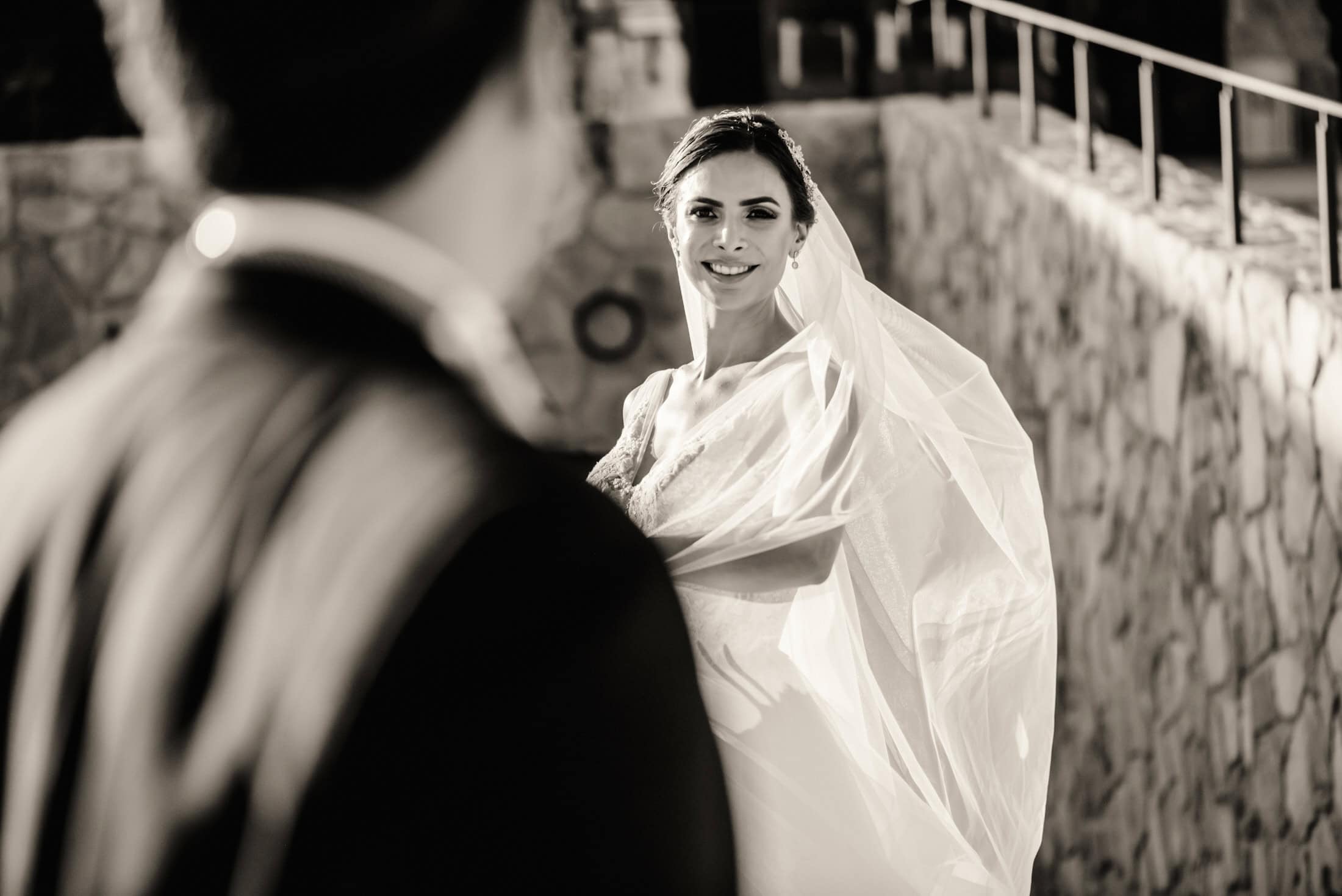
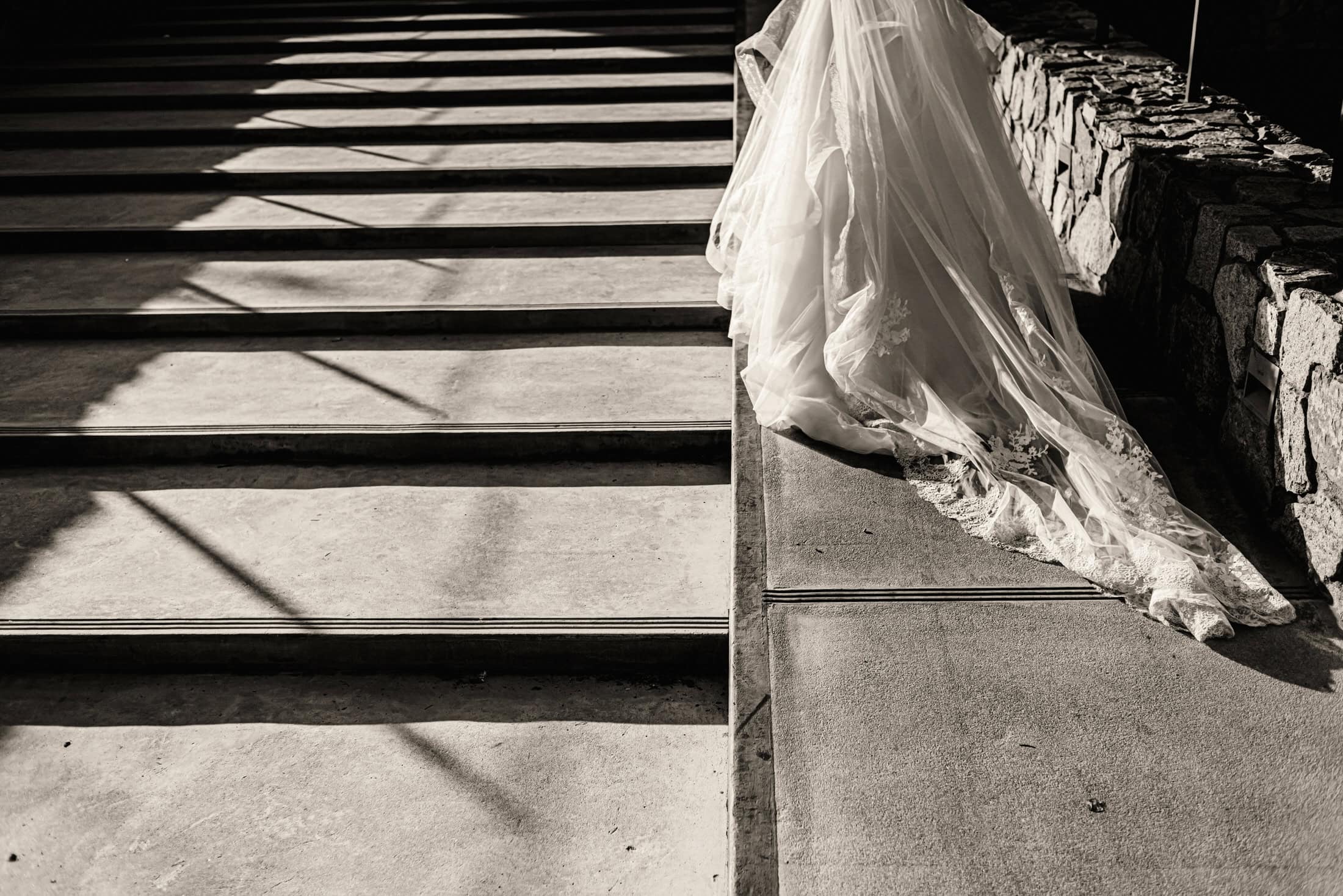
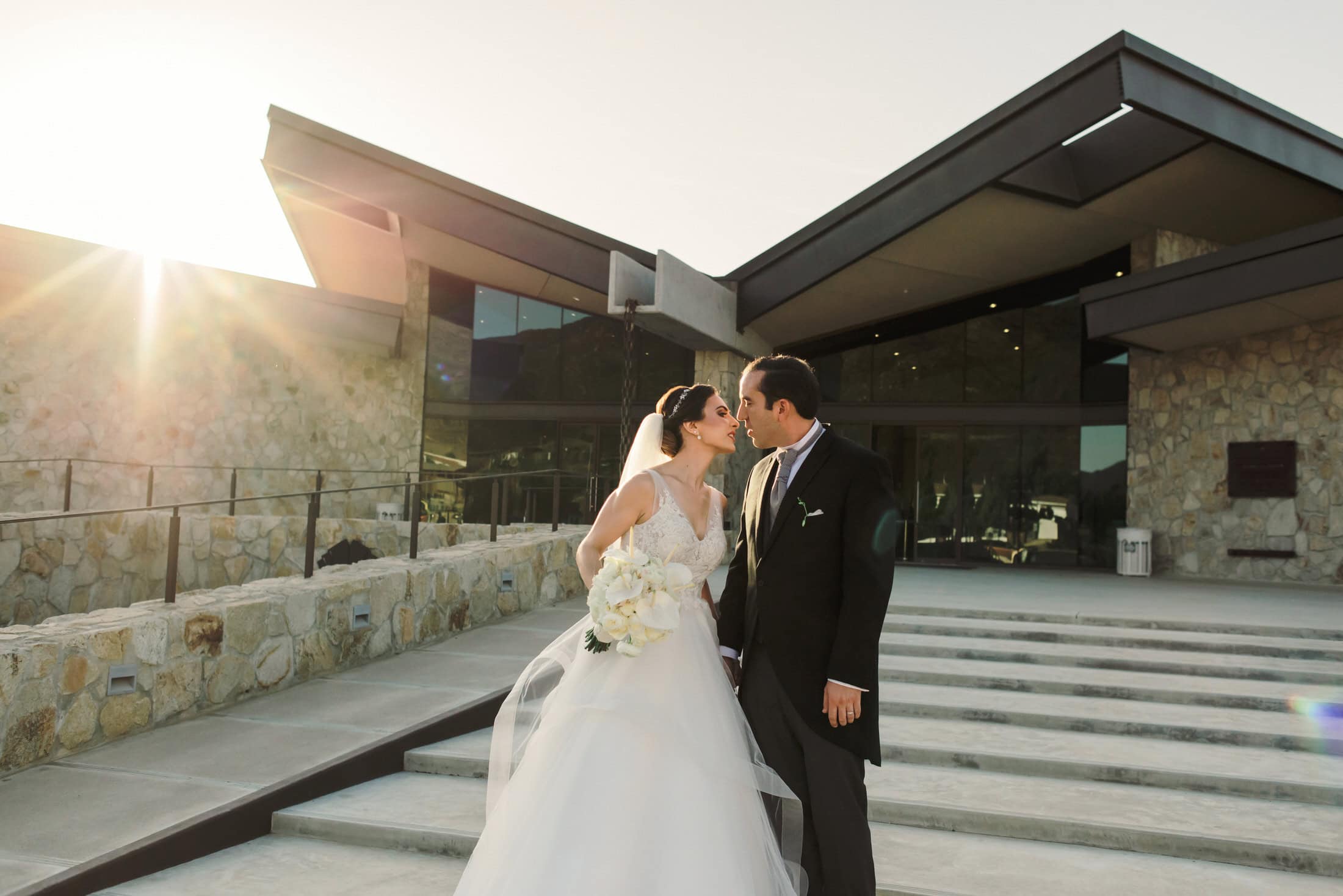
A valle de guadalupe wedding venues choice at the Museo uses the property’s two distinct environments — the modern museum architecture and the surrounding vineyards — across the day.
The photographable rhythm, in rough order:
- Morning. Soft, indirect light for getting-ready frames if preparation happens nearby (the Museo isn’t traditionally a lodging property; verify guest-accommodation logistics separately).
- Ceremony. Verify ceremony policies and the exact location directly with the venue — outdoor against the museum facade, indoor among the museum spaces, or in a vineyard-adjacent area depending on access.
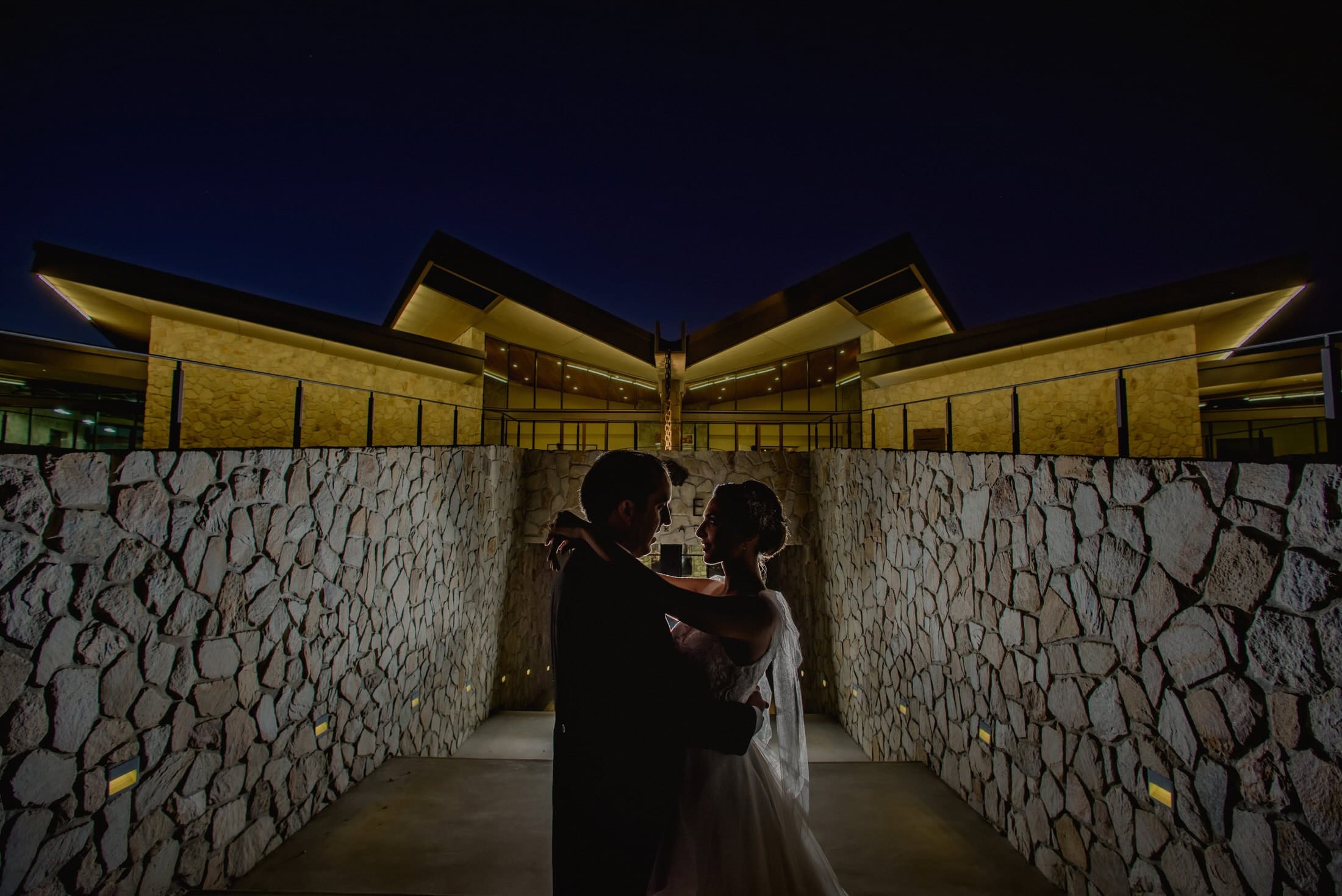
- Couple portraits at golden hour. Vine geometry on the property’s edges combined with the museum’s modern lines. Two distinct working environments within walking distance — that’s the property’s photographic advantage.
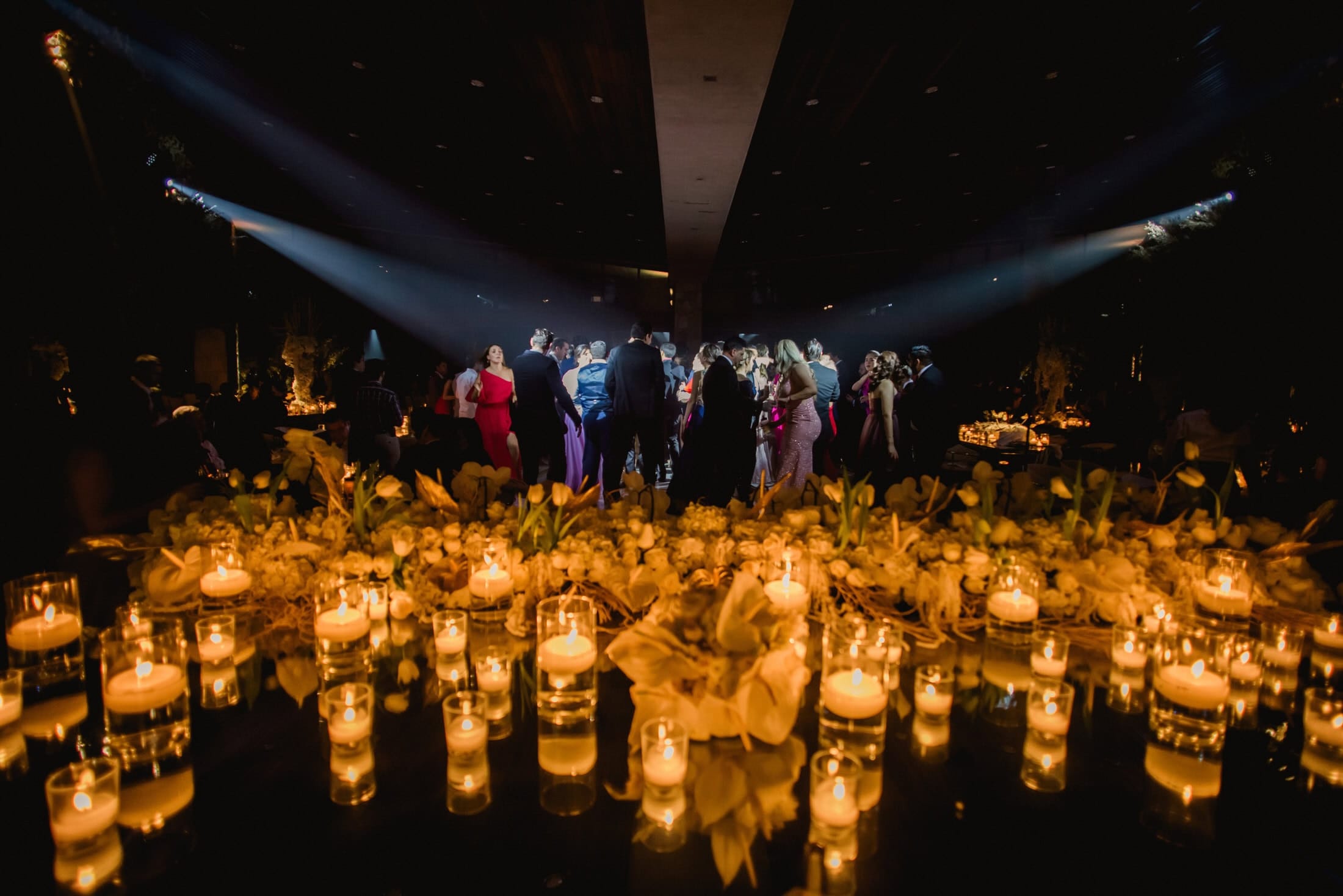
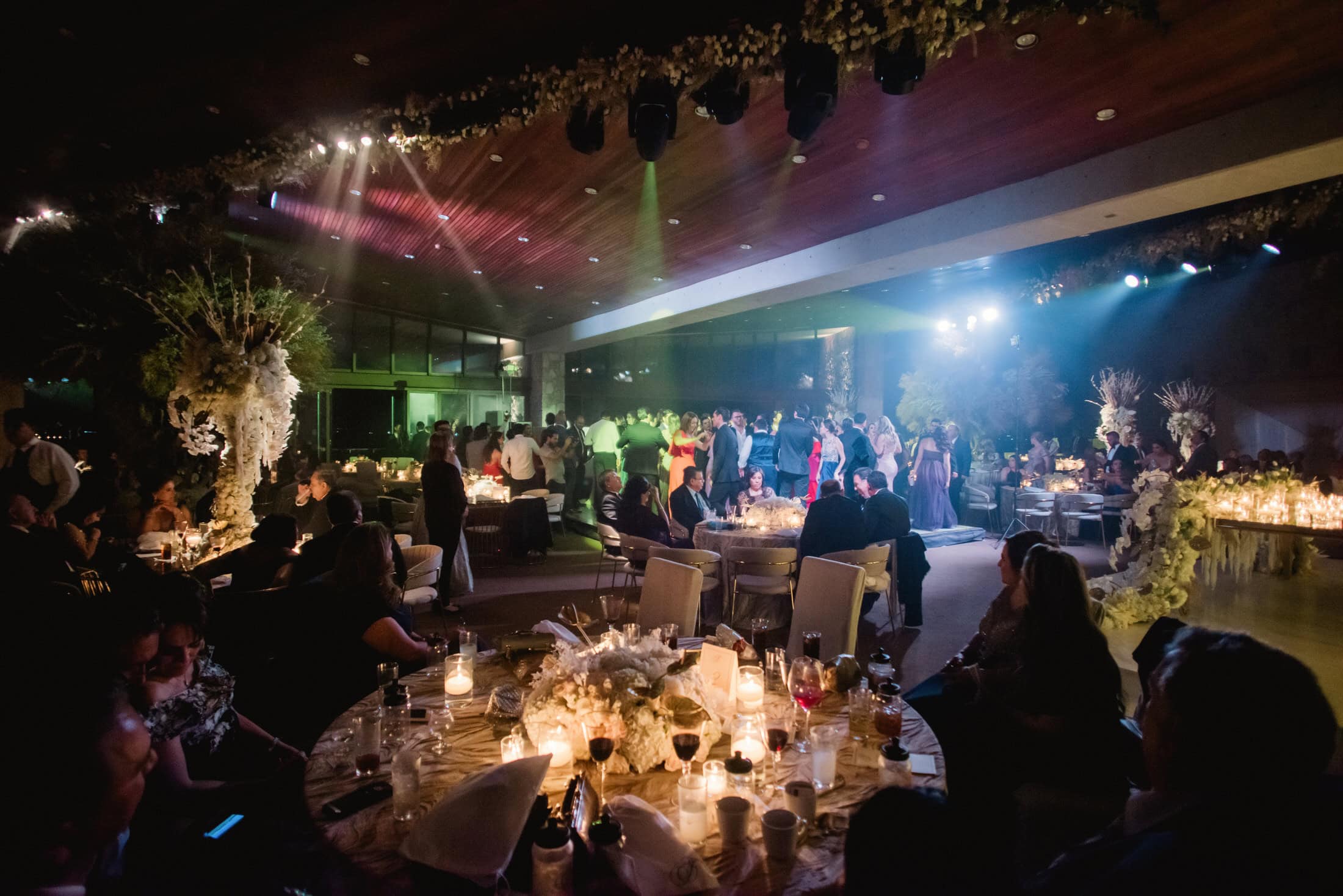
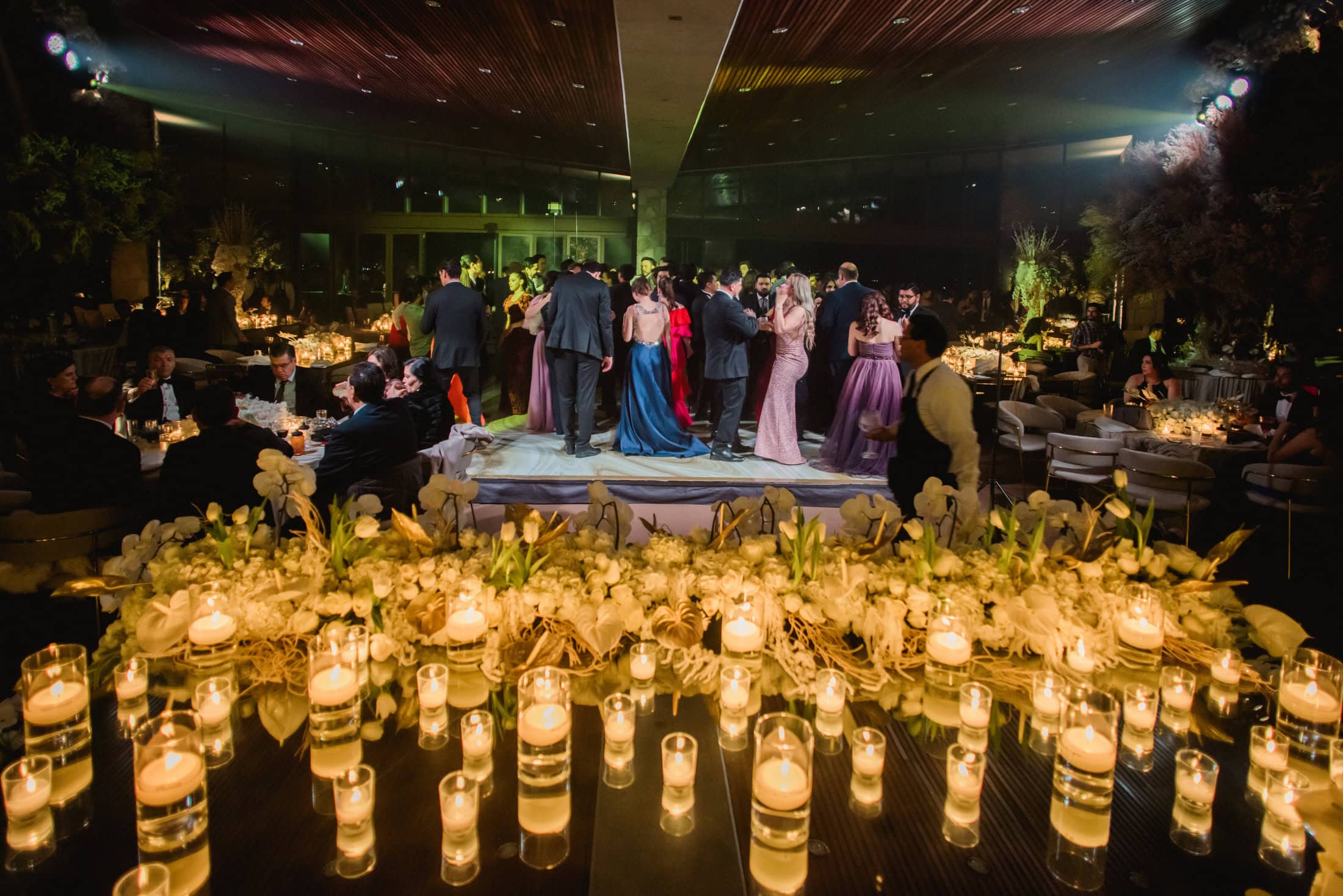
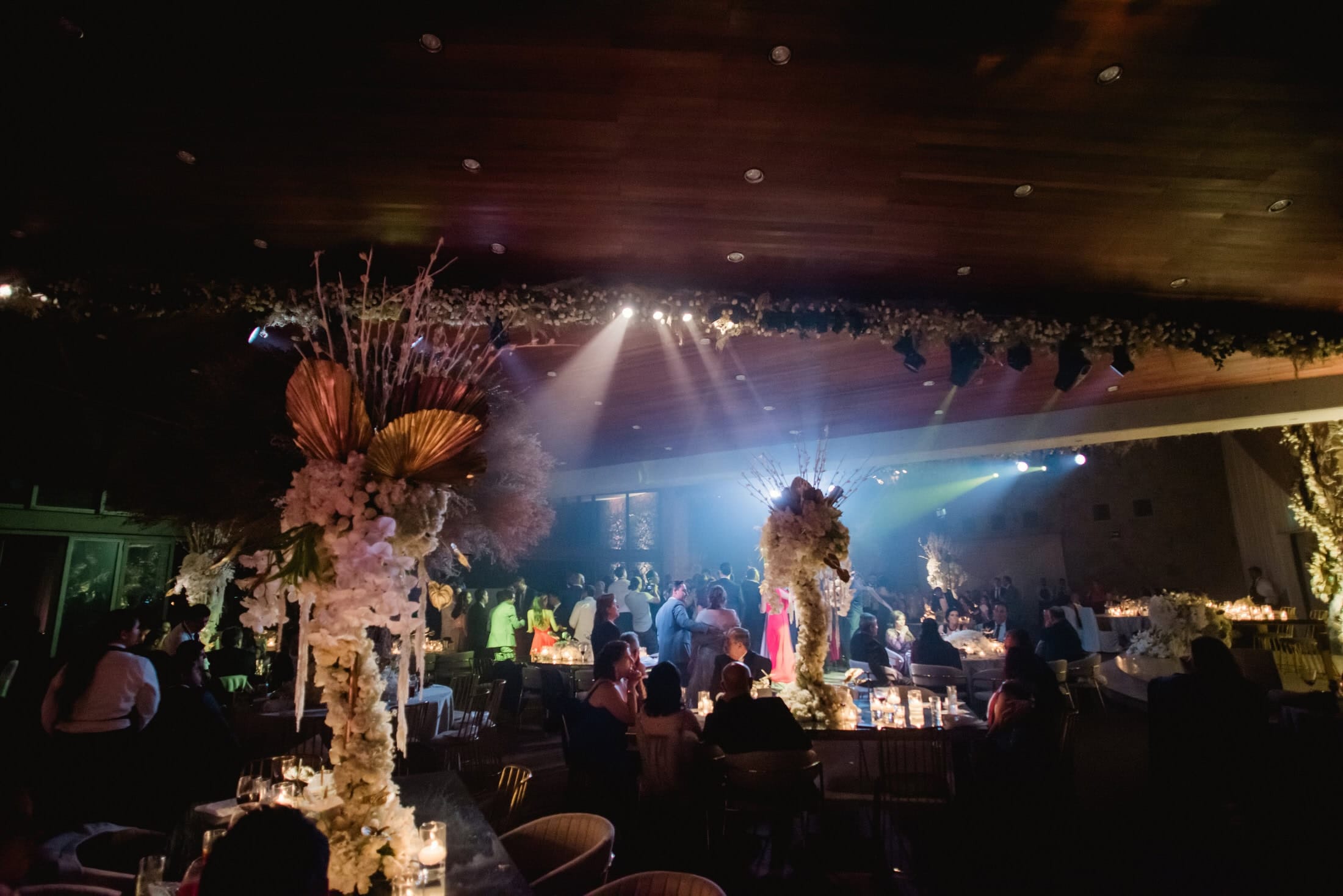
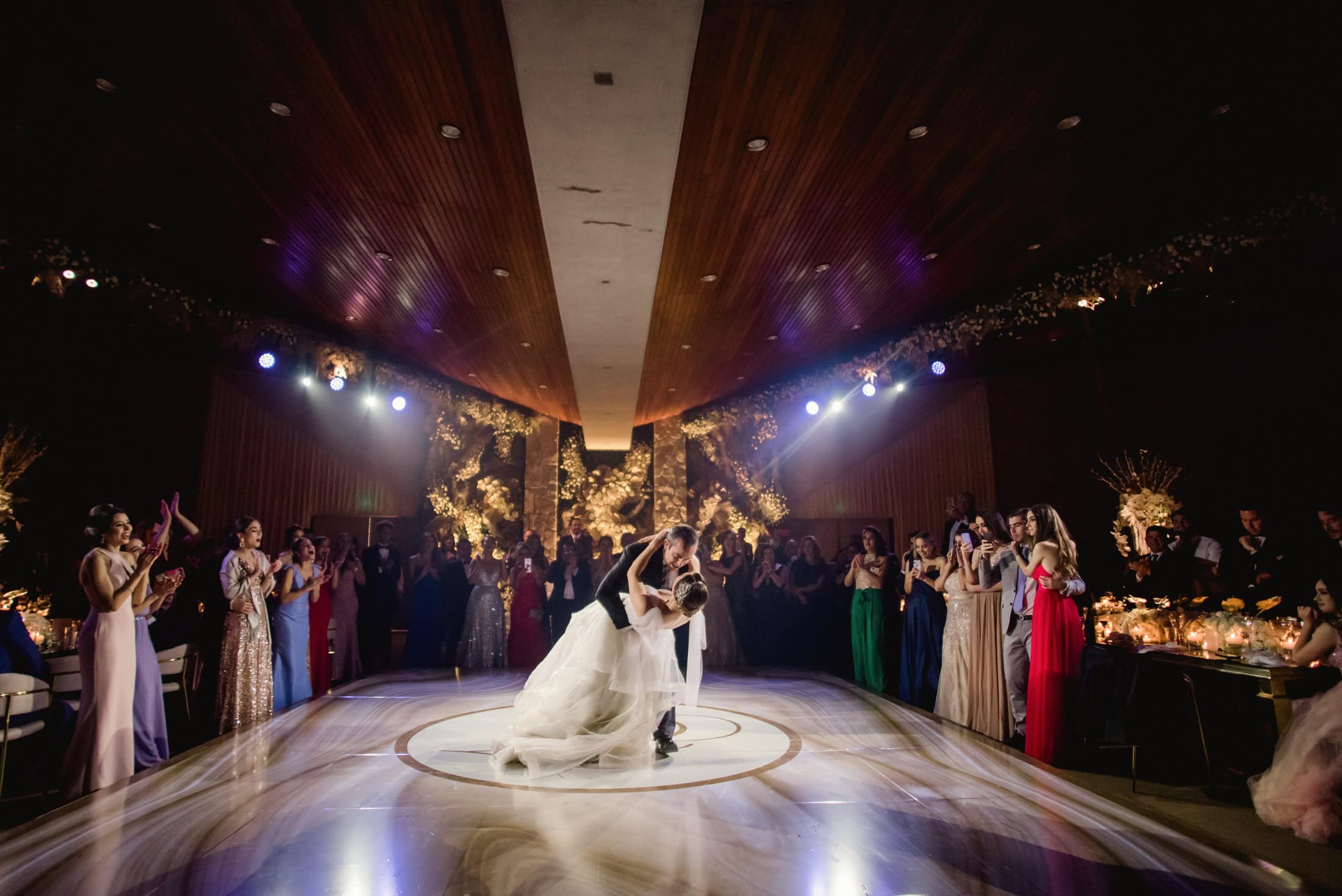
- After dusk. Interior museum spaces or lit-architecture frames carry the reception. The modern lines read honest under tungsten lighting.
The practical version: the Museo’s two environments give the photographer flexibility. A couple gets architectural backdrop or vineyard backdrop depending on the hour, without driving between properties.
How David Josué works at modern Valle venues
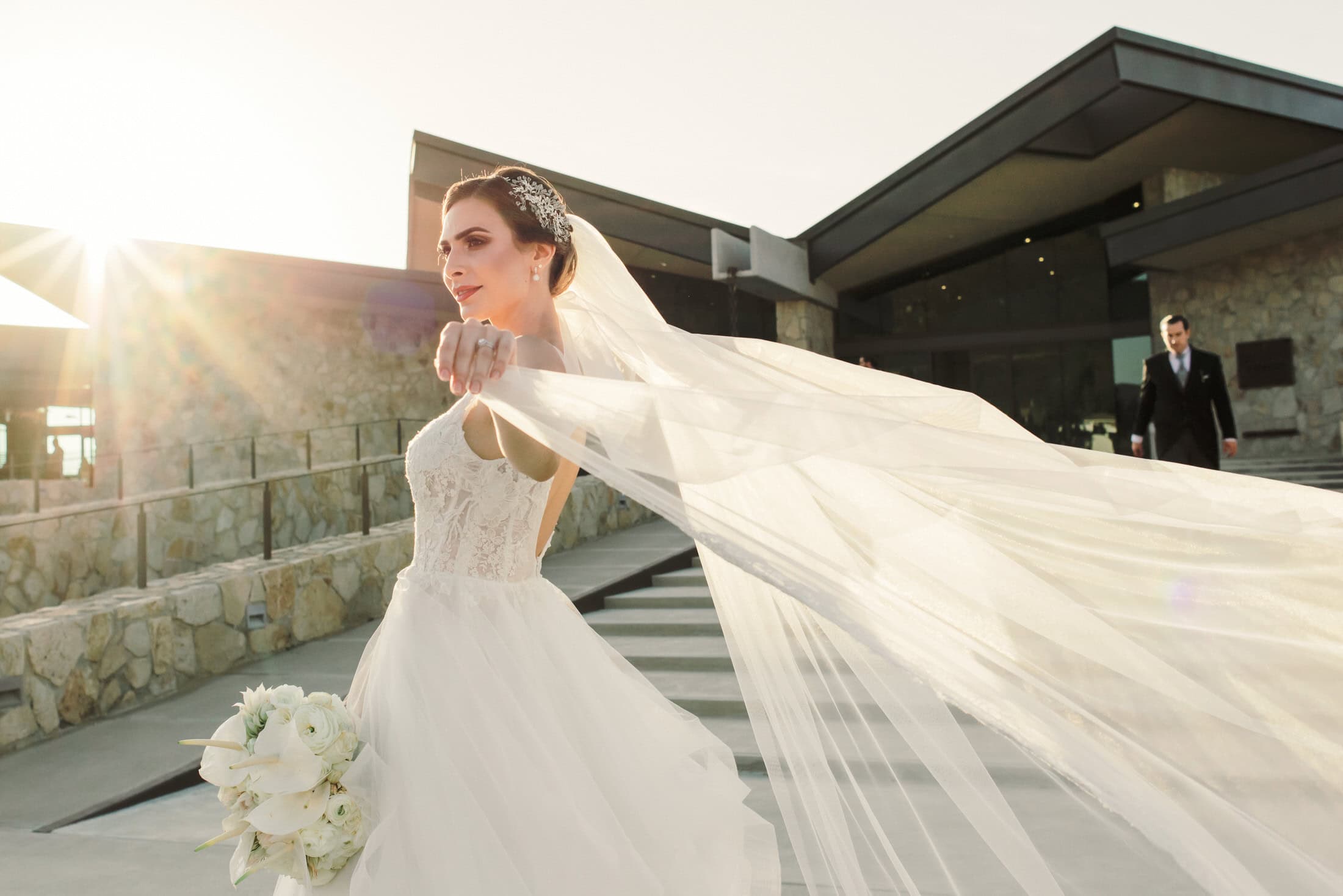
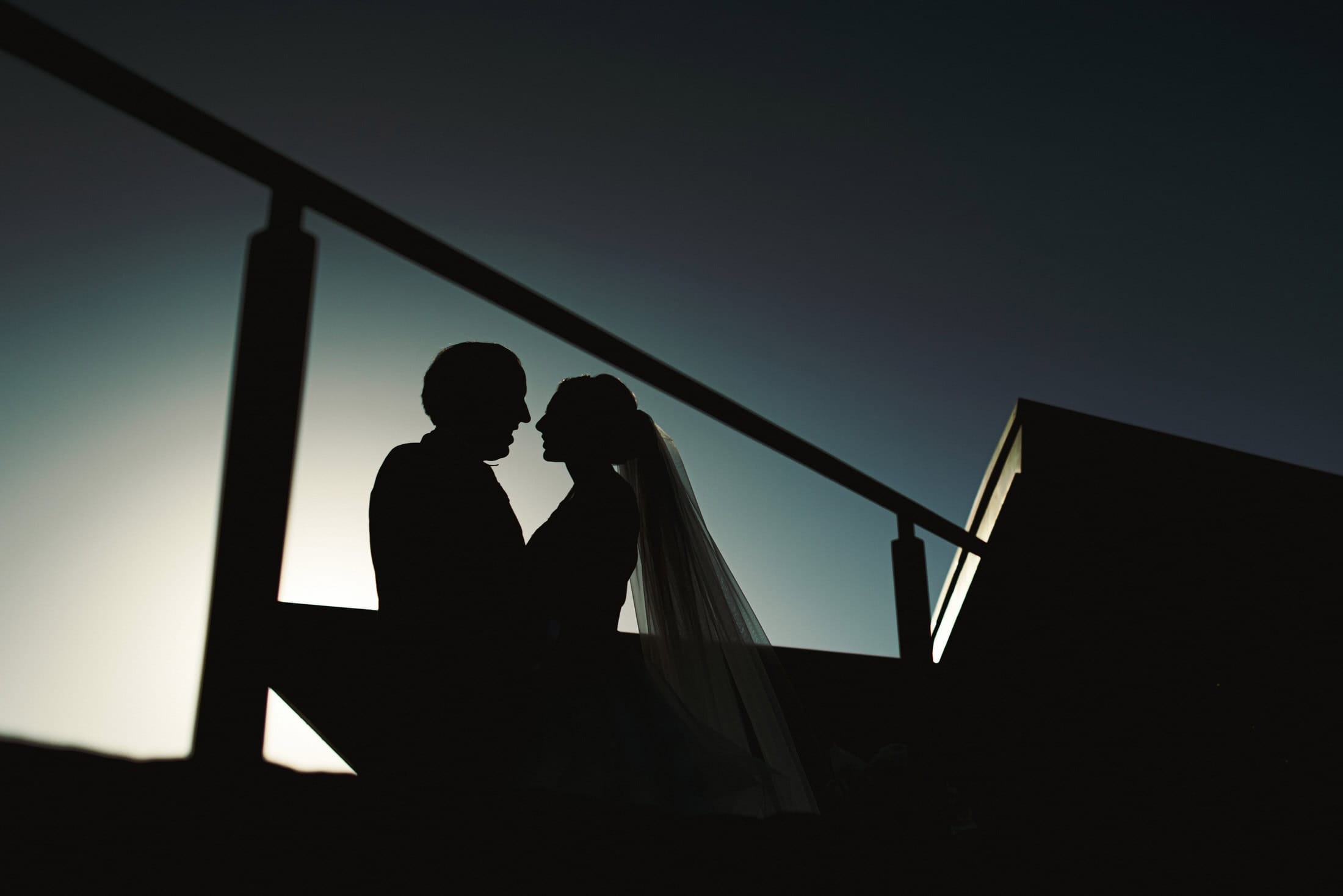
Modern architectural venues photograph differently from traditional hacienda or Tuscan properties. The geometry is sharper, the light interacts with hard surfaces differently, and composition against modern lines requires its own working preparation.
Before any valle de guadalupe wedding venues shoot at the Museo, I scout the property. I read the architectural lines, the vineyard geometry, where the late-afternoon light hits the modern surfaces, which corners frame cleanly. None of that work is visible to you on the day.
By the time I have a camera out, the choreography is already decided. Not yours — mine. You don’t get a shot list. You don’t pose. You don’t perform for the camera. Most people have spent their adult lives being told to look a certain way for photos, and the body locks the moment a lens points at it. My job is to undo that lock before I make a single frame.
The practical shape of how I work:
- Calm direction. No shot list, no choreography, no performing for the camera.
- Quiet preparation. I read the venue’s architecture and the day’s light before the wedding.
- 25+ years. Photographing weddings in Mexico, Europe, and several other countries.
- Documental, Signature, and Bespoke collections. Pricing on request, sized to the day you actually want.
A modern Valle venue rewards a photographer who’s done the architectural reading.
Five years from now
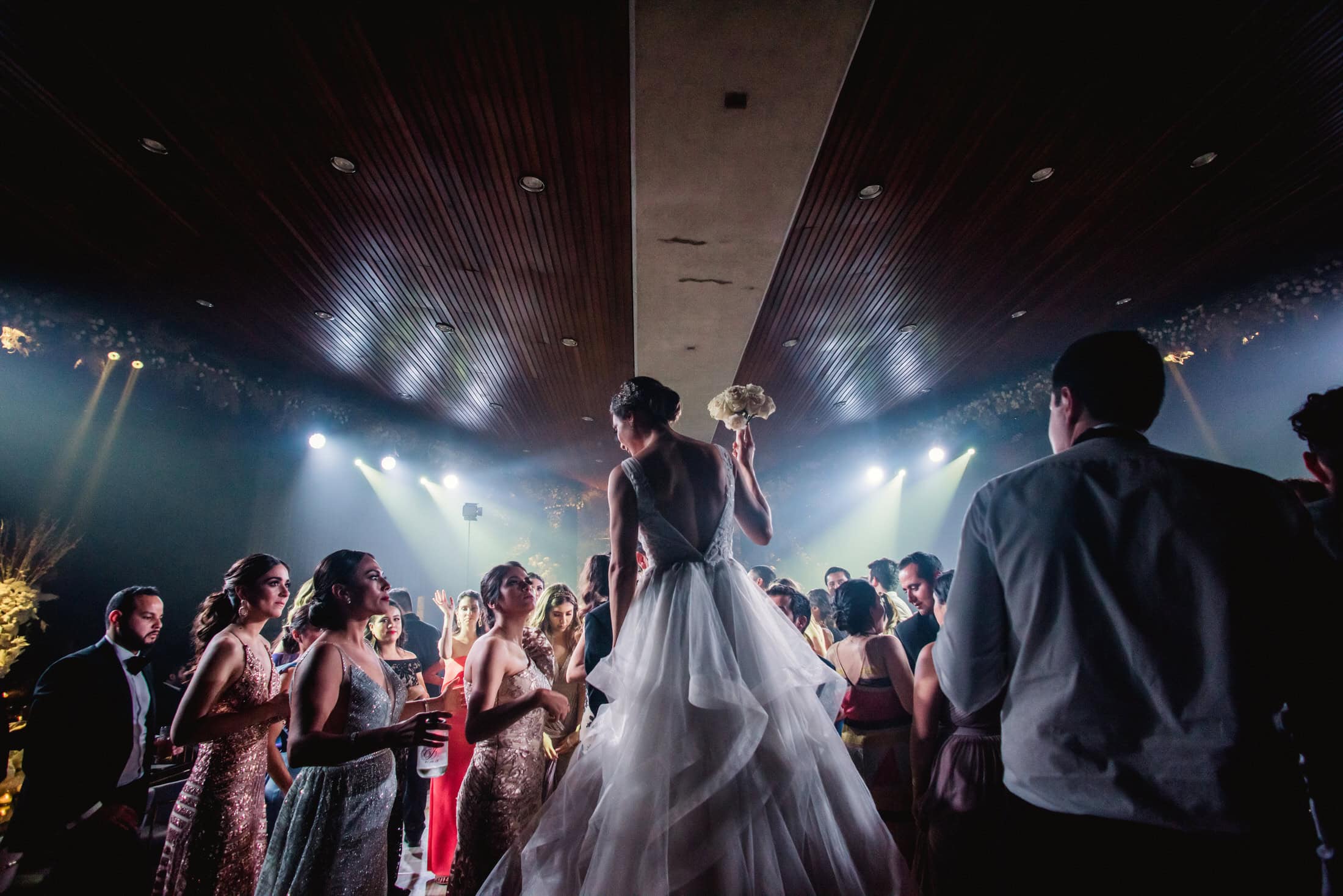
Five years from now, you open a folder. Maybe it’s the anniversary morning. Maybe it’s a random Tuesday and you needed something to hold onto.
The folder works or it doesn’t.
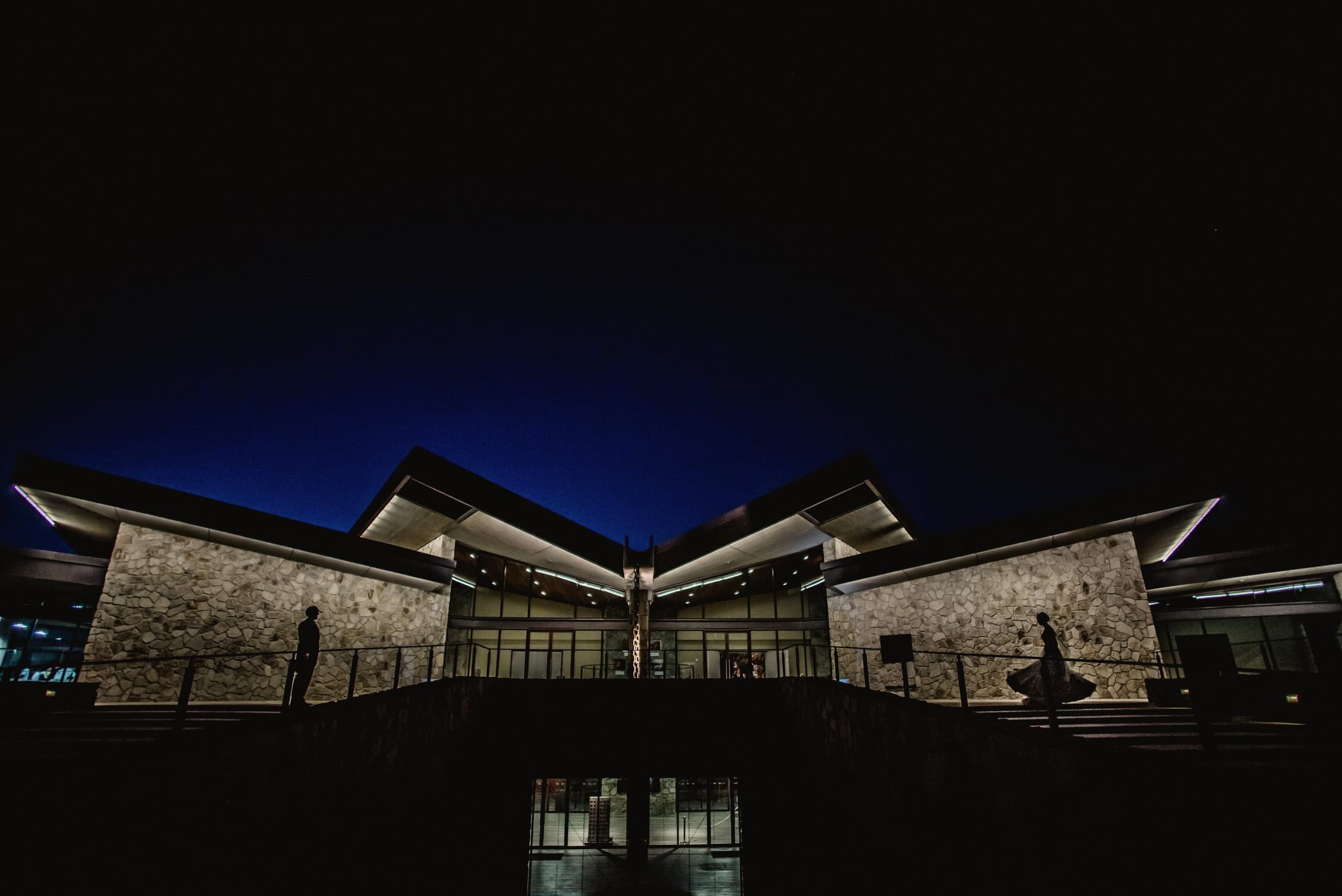
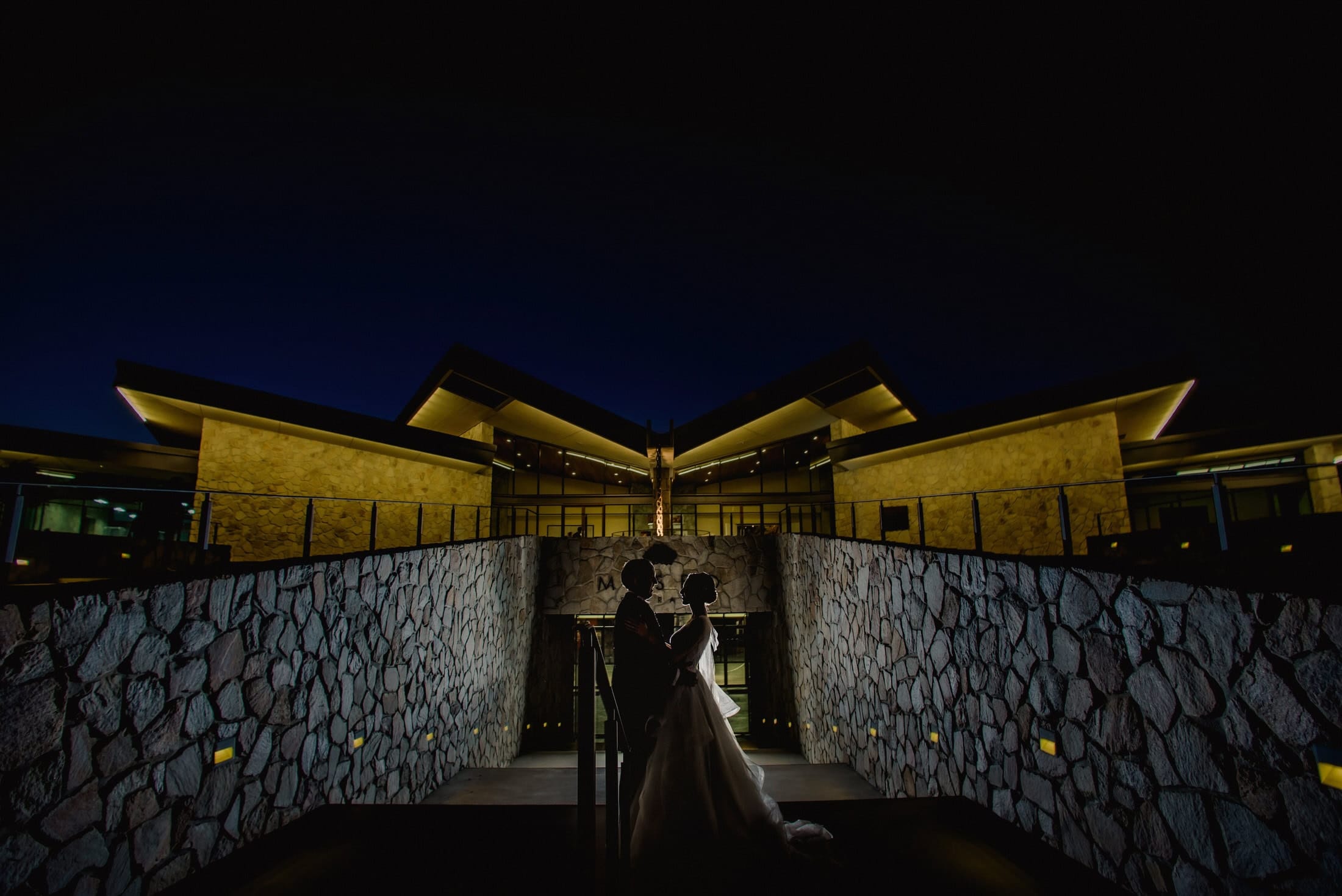
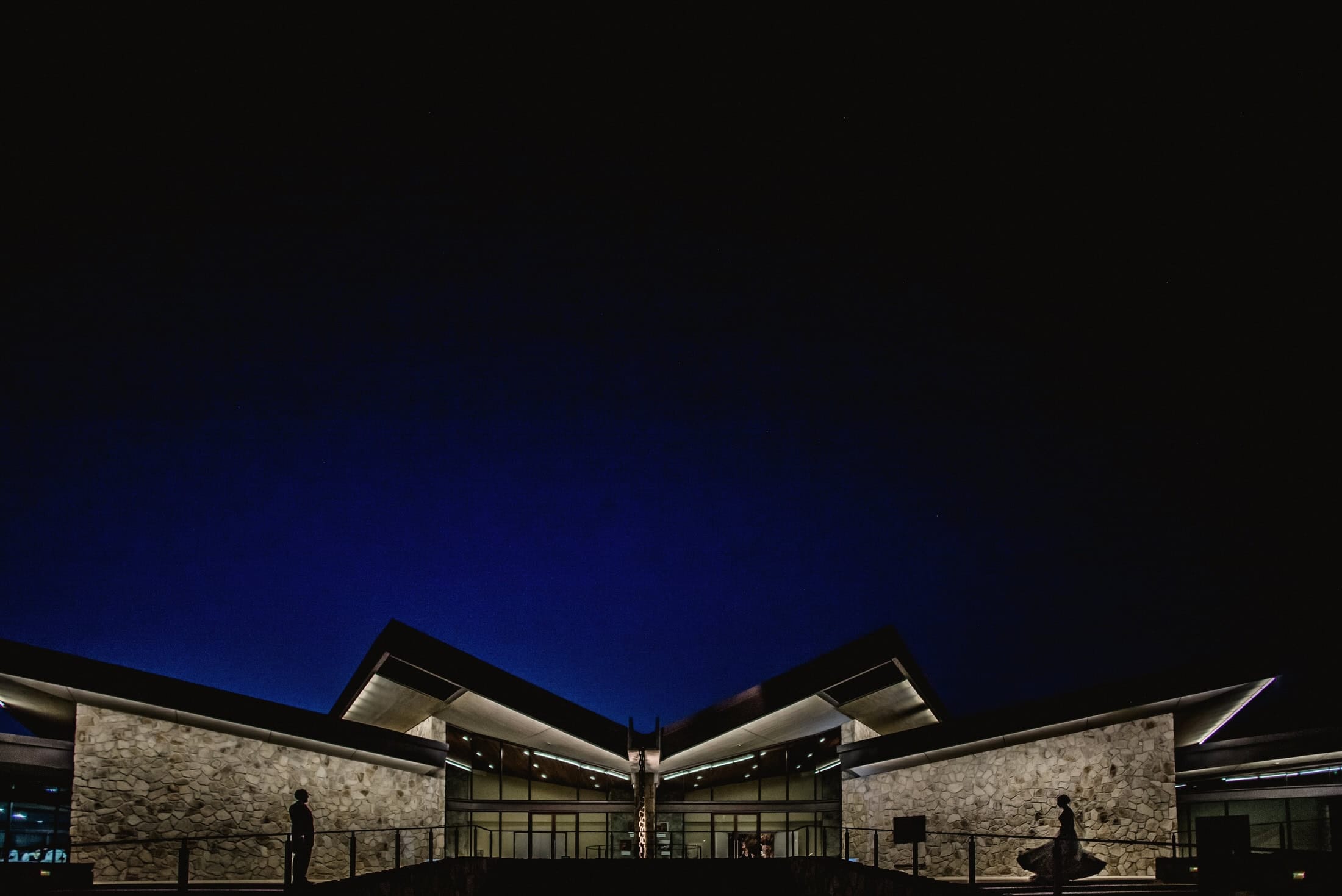
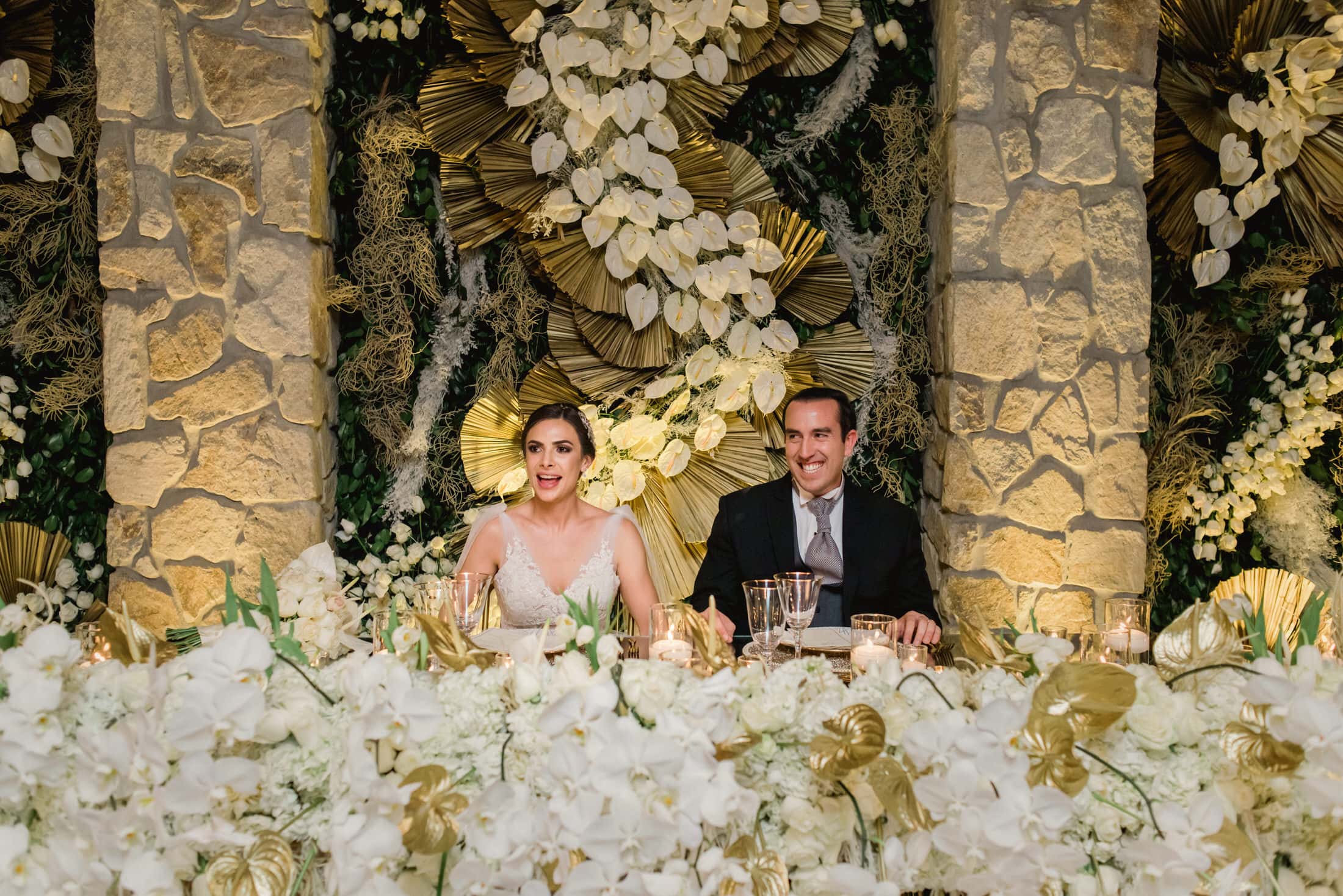
If it works, the property returns to you — the museum’s clean lines, the vines at golden hour, your partner walking alongside the museum during the day. You’re not looking at pretty pictures of a wedding. You’re standing in the day again.
The archive returns the moment. Not just pictures of it.
If it doesn’t work, the folder is a stranger’s wedding. The pictures are technically fine. They’re nicely lit. But the day doesn’t return.
The Museo as one of the valle de guadalupe wedding venues gives a photographer modern architecture paired with regional vineyard surroundings. What the archive keeps from that depends on how the day was timed and how the camera worked across both environments.