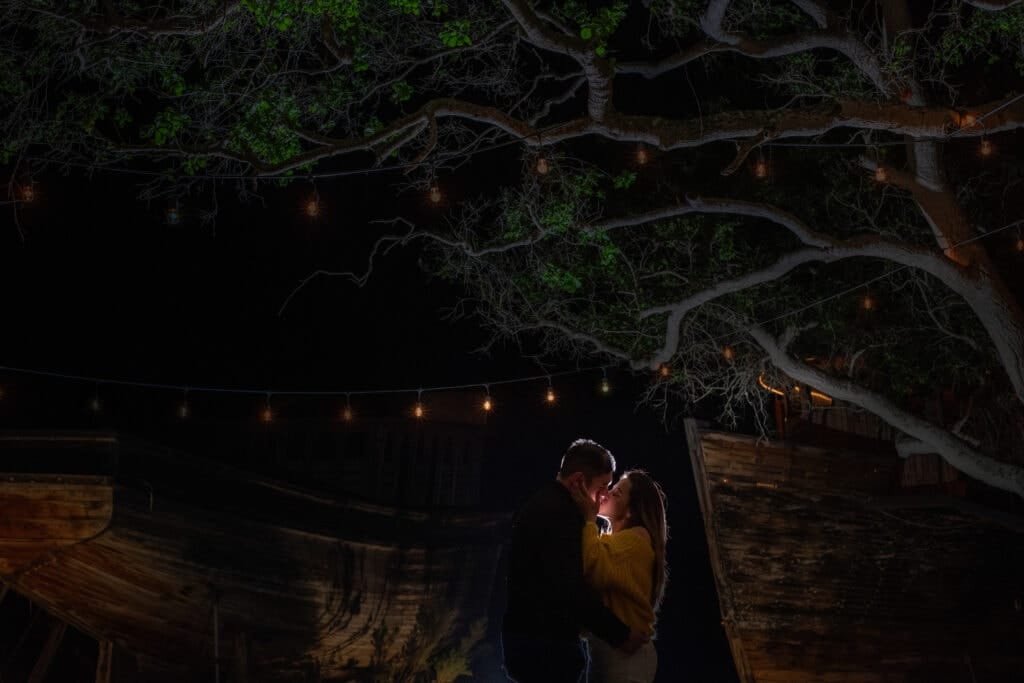
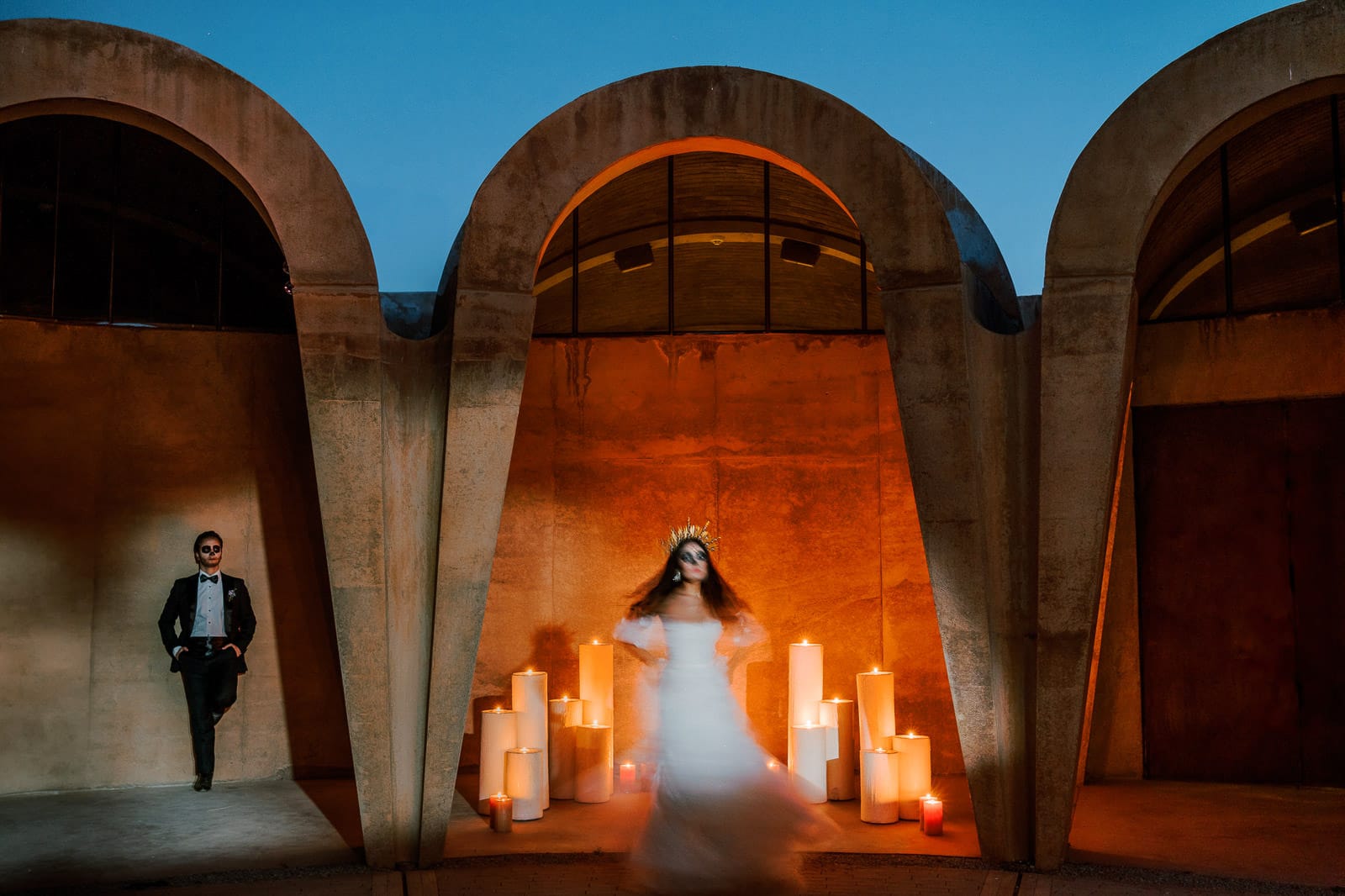
Junebug Weddings photography features — what they recognize
Junebug Weddings is one of the recognized editorial outlets for wedding photography worldwide. Their feature lists highlight photographers whose work reads as composed, deliberate, and emotionally specific — not Instagram-bright, not preset-finished, not trend-driven. Couples find this article through searches like “junebug weddings photography” when researching photographers with editorial recognition.
David Josué has been featured by Junebug Weddings for work that reflects 25+ years of documentary practice. The same editorial eye that earns features is what shapes every couple’s archive — not just the published frames.
The orientation, briefly:
- What features signal. Peer recognition at scale; the work met an outside standard.
- What features don’t signal. That every couple gets editorial treatment — they get the same eye that produces editorial work.
- What the work actually contains. Composed light, emotional specificity, compositional restraint, manual post-production discipline.
- What it means for couples. Evidence of the photographer’s eye, not a promise of editorial treatment.
What an editorial-grade wedding photograph actually contains
A photograph that lands in junebug weddings photography features isn’t lucky. It’s the result of four photographic moves the photographer makes long before the shutter clicks, and one move the photographer makes long after.
The through-line, in plain terms:
- Composed light. The photographer reads the working hour and positions the camera before the moment arrives. The light is not corrected in post — it’s chosen in the moment.
- Emotional specificity. The gesture, the glance, the breath that the camera holds for a second longer than necessary. The frame is about one specific person at one specific second.
- Compositional restraint. The photograph carries one subject. Three competing elements in the same frame is a busy photograph that an editor will skip.
- Manual post-production discipline. Hours per frame, not preset batches. The skin tone, the contrast, the grain are read individually for every photograph.
The practical version: editorial-grade work emerges from photographers who treat every frame as a deliberate decision, not as a content stream.
Why editorial features matter for couples choosing a photographer
For couples researching a photographer, junebug weddings photography features are evidence rather than promise. They signal that the photographer’s eye has been seen by peers and editors at scale, but they don’t signal that every wedding becomes an editorial spread.
The through-line, in plain terms:
- What features prove. The work has been seen by peers and editors at scale. A published frame met an outside standard, not just an Instagram one.
- What features don’t prove. That the photographer will give your wedding editorial treatment. The work that landed in the feature is the same work every couple receives.
- The relevant question. Whether the photographer’s eye matches yours — features are one input among several signals to consider.
- The archive question. The published frame is one image from a thousand-image archive. The same eye that selected that frame is what shapes the full archive a couple takes home.
The practical version: editorial recognition is a credibility signal, not a service tier. Every couple gets the same eye.
How David Josué’s editorial-recognized eye shapes a couple’s archive
The same compositional discipline that lands a photograph in junebug weddings photography is what shapes every couple’s gallery. Not a different service tier. The same eye, the same restraint, the same hours per frame.
Before any wedding day, I scout the venue. I read where the sun lands during the working hour, where the wind picks up, which corners hold cleanest light. None of that work is visible to you on the day.
By the time I have a camera out, the choreography is already decided. Not yours — mine. You don’t get a shot list. You don’t pose. You don’t perform for the camera. Most people have spent their adult lives being told to look a certain way for photos, and the body locks the moment a lens points at it. My job is to undo that lock before I make a single frame.
The practical shape of how I work:
- Calm direction. No shot list, no choreography, no performing for the camera.
- Quiet preparation. I read the venue’s specific light before the day.
- 25+ years. Photographing weddings in Mexico, Europe, and several other countries — editorial recognition built across that span.
- Documental, Signature, and Bespoke collections. Pricing on request, sized to the day you actually want.
The editorial eye and the couple’s archive are the same eye.
Five years from now
Five years from now, you open a folder. Maybe it’s the anniversary morning. Maybe it’s a random Tuesday and you needed something to hold onto.
The folder works or it doesn’t.
If it works, the day returns to you — not the editorial gloss, just the moment the camera held. Your partner mid-laugh, your father’s hand on your shoulder before the walk, the light at the working hour you almost didn’t notice. You’re not looking at pretty pictures of a wedding. You’re standing in the day again.
The archive returns the moment. Not just pictures of it.
If it doesn’t work, the folder is a stranger’s wedding. The pictures are technically fine. They’re nicely lit. But the day doesn’t return.
An editorial-recognized photographer like the kind featured by junebug weddings photography gives a couple the same eye that earned the feature. What the archive keeps depends on how cleanly the camera worked the day.