Engagement-photo outfits — what shapes the photograph
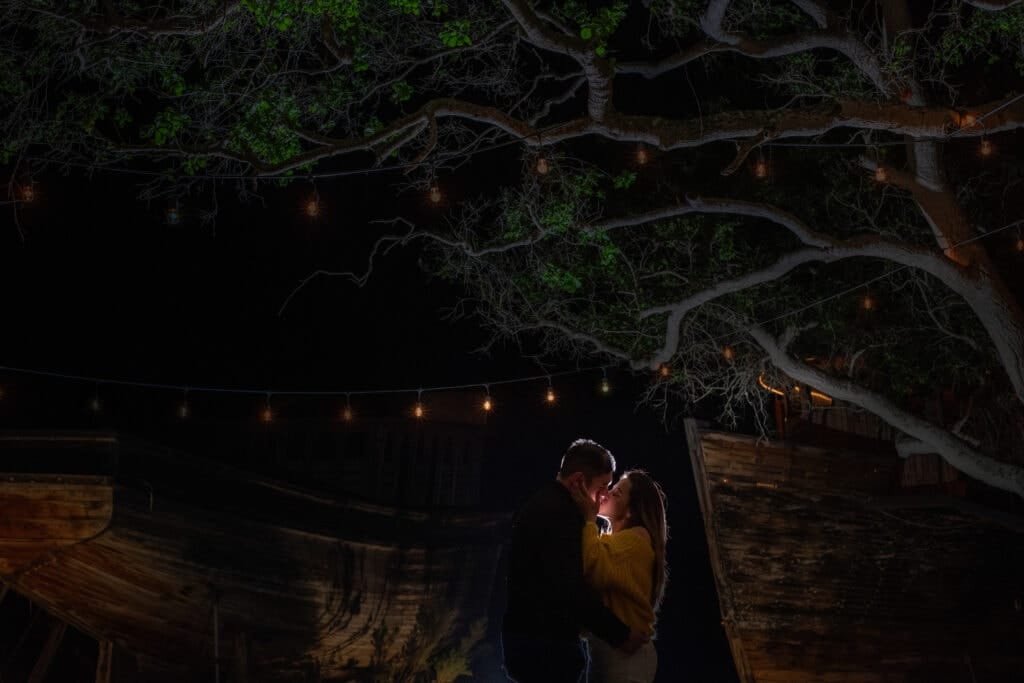
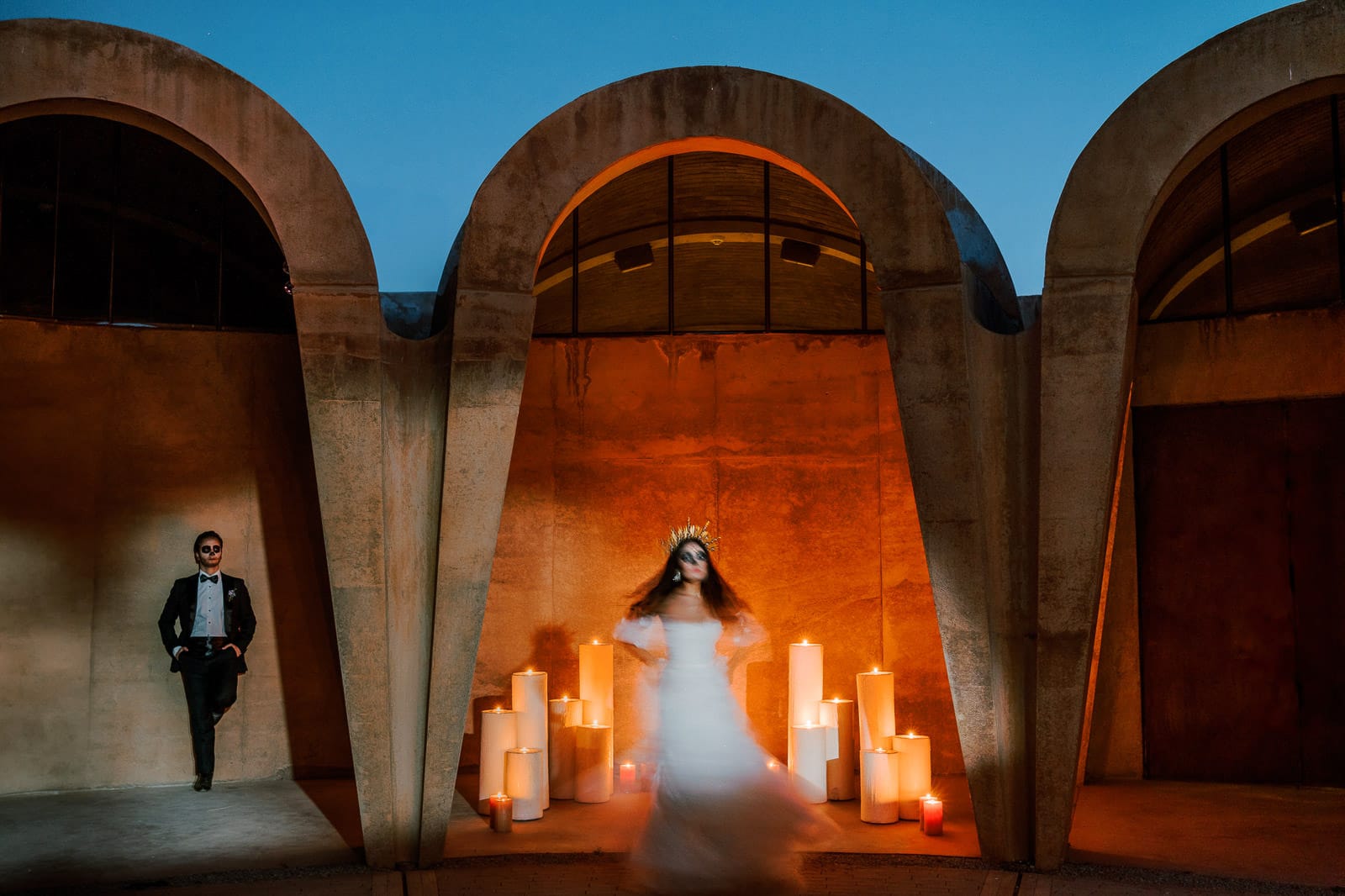
Engagement-photo outfits are not about fashion. They’re about how the camera reads two bodies together in a single frame. Couples find this article through searches like “matching outfits” when planning an engagement session and wanting to know what actually helps the photograph rather than what looks good in isolation.
This isn’t a Pinterest mood board. I’m not going to tell you what’s trending. What I can tell you, as a photographer who has worked across engagement sessions and weddings for 25+ years, is what the camera rewards and what it fights when reading two people in one composition.
The orientation, briefly:
- Matching outfits don’t mean identical. They mean tonally coherent against the chosen location.
- Solid tones beat busy patterns. Patterns fight the camera’s read of skin and gesture.
- Complementary palettes work. One accent color shared between both outfits reads cleaner than literal matching.
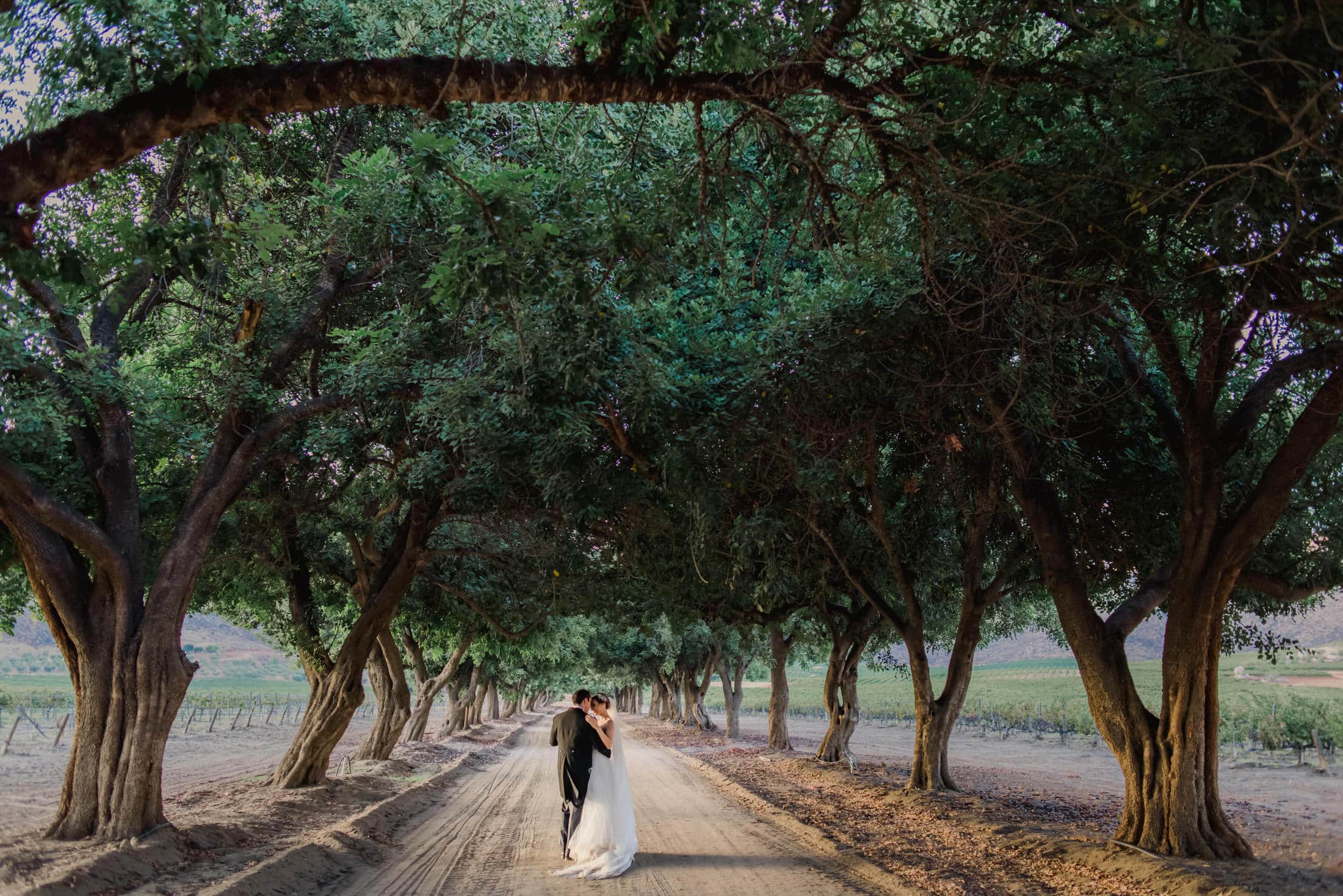
- The location matters. Outfits chosen against the camera’s read of the place photograph better than outfits chosen in isolation at home.
What works — outfit choices that help the photograph
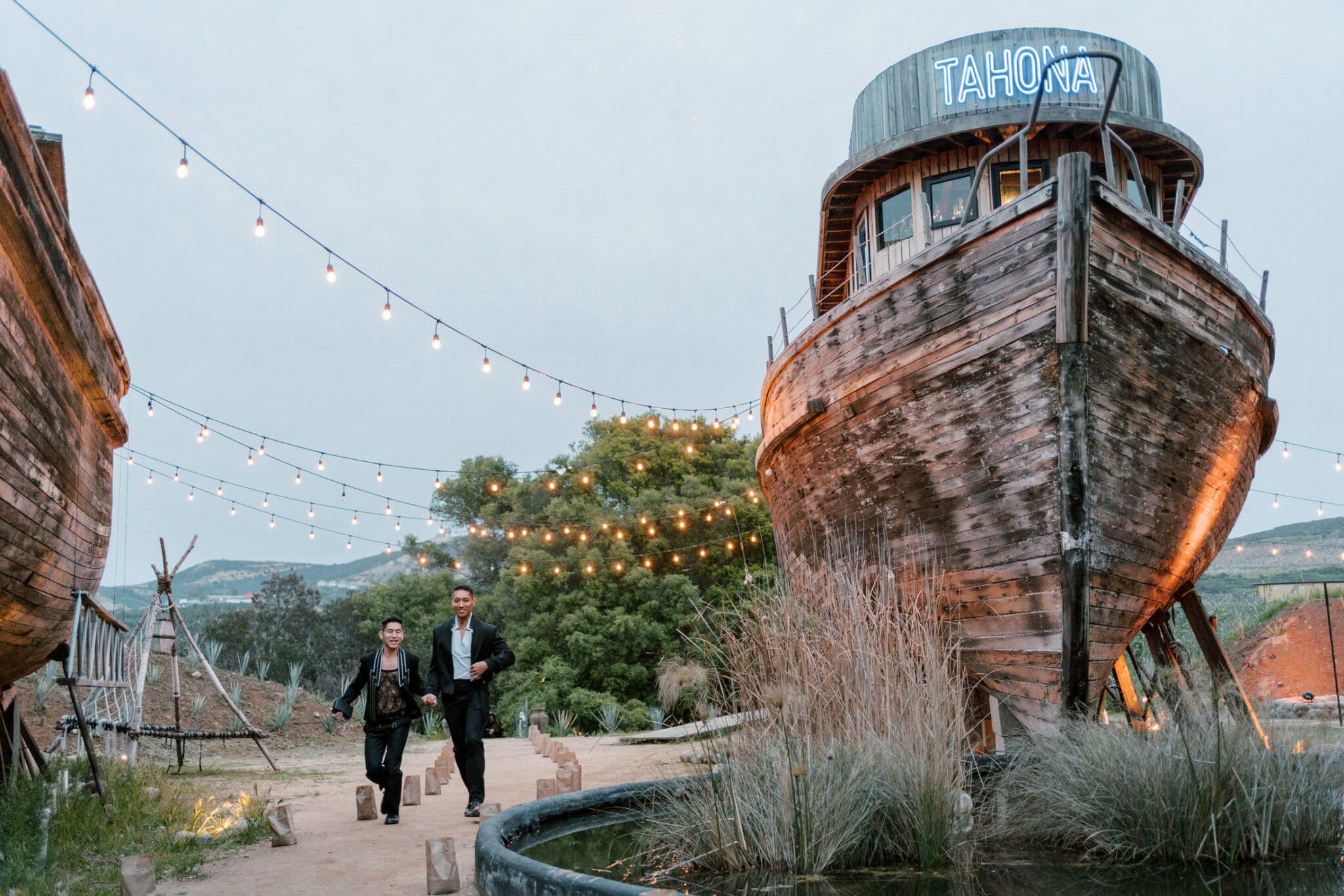
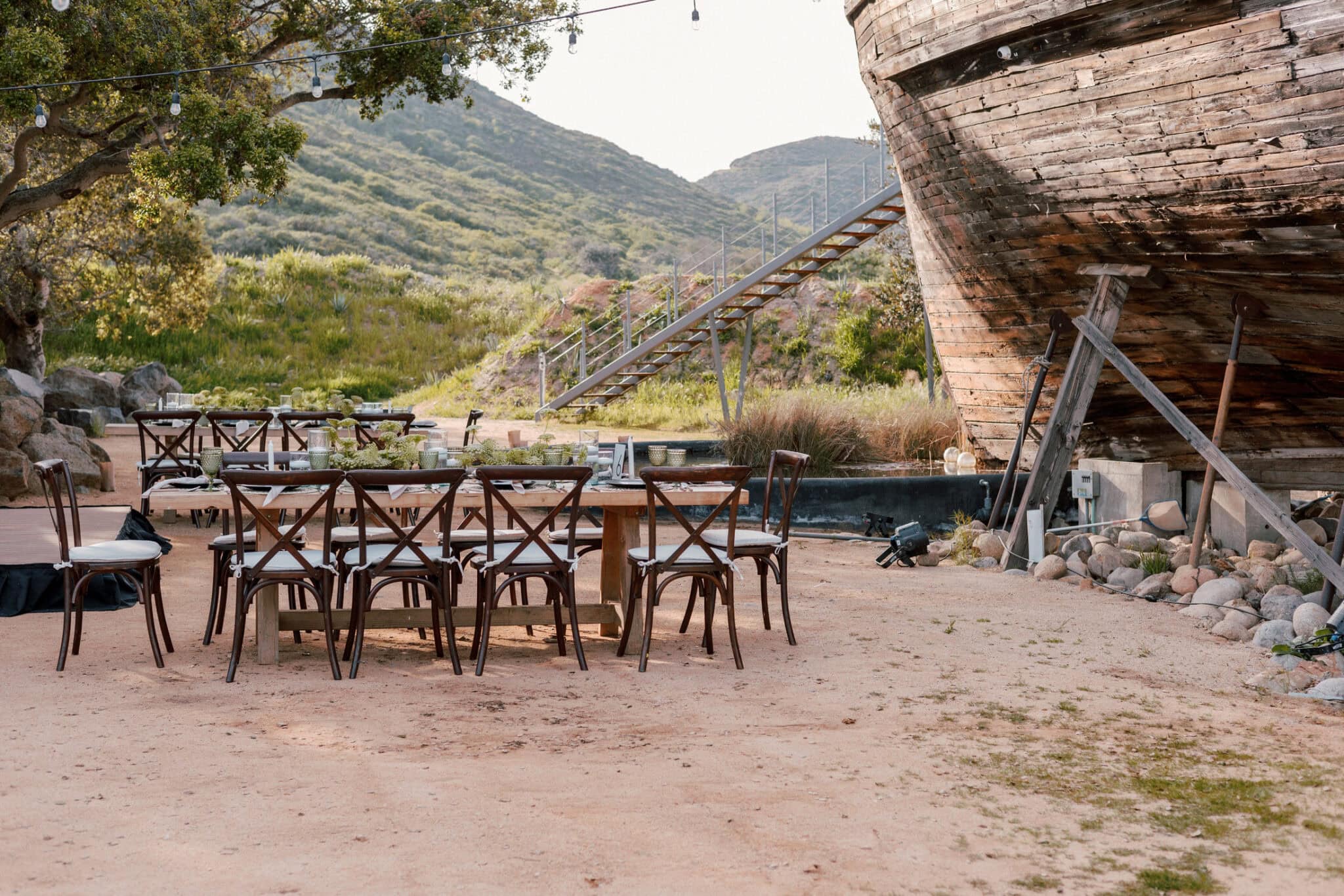
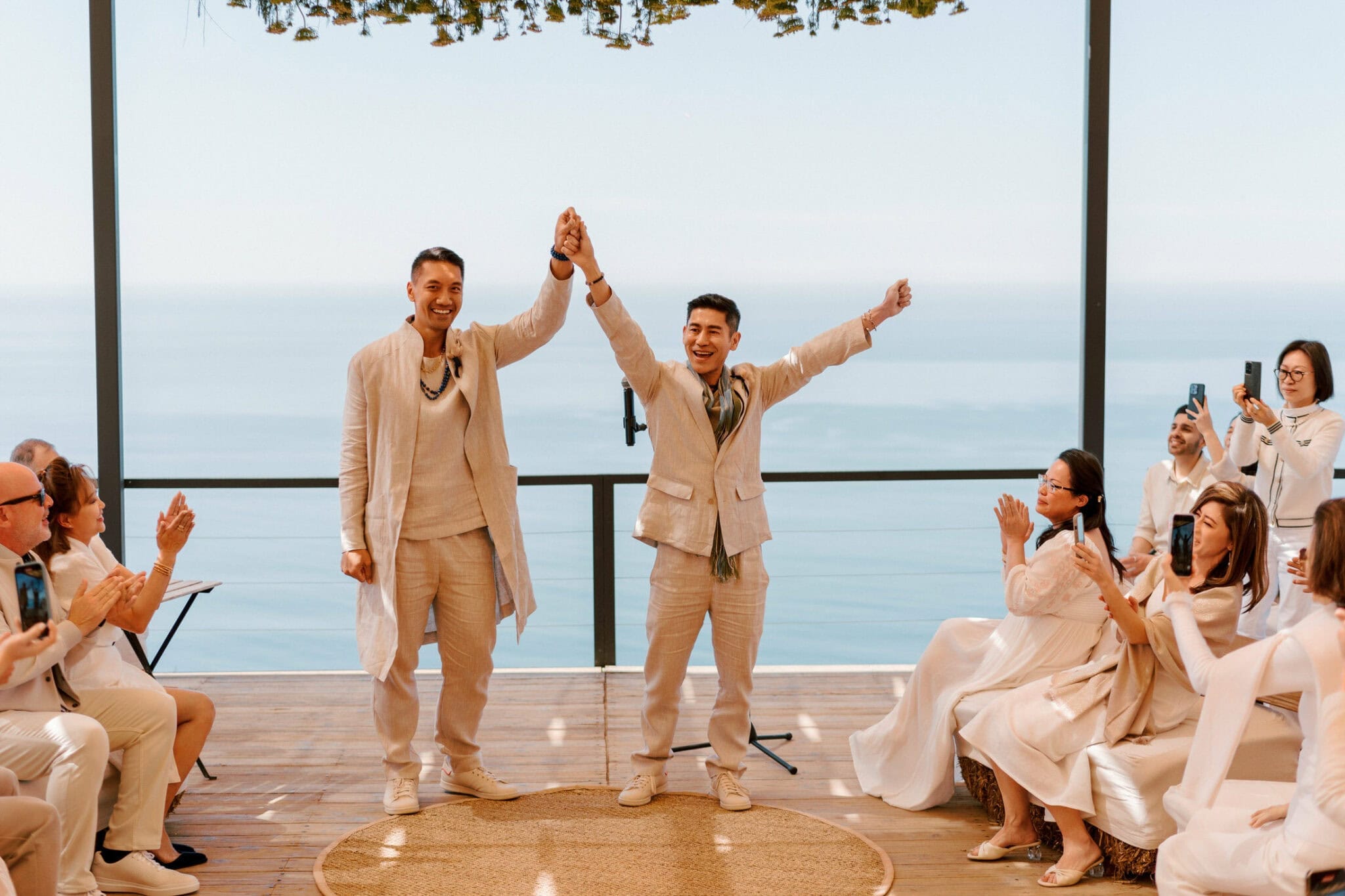
Useful outfit choices for engagement matching outfits photographs lean on four practical decisions. None of them are about brand or trend. All of them are about how the camera reads texture, tone, and gesture together.
The through-line, in plain terms:
- Tonal coherence. Neutrals, earth tones, or one accent color shared between both outfits. The camera reads the pair as a single composition rather than as two separate fashion statements.
- Solid colors over patterns. Patterns fight the camera’s read of skin and gesture, especially in motion. A solid linen shirt photographs warmer and reads cleaner than a busy print.
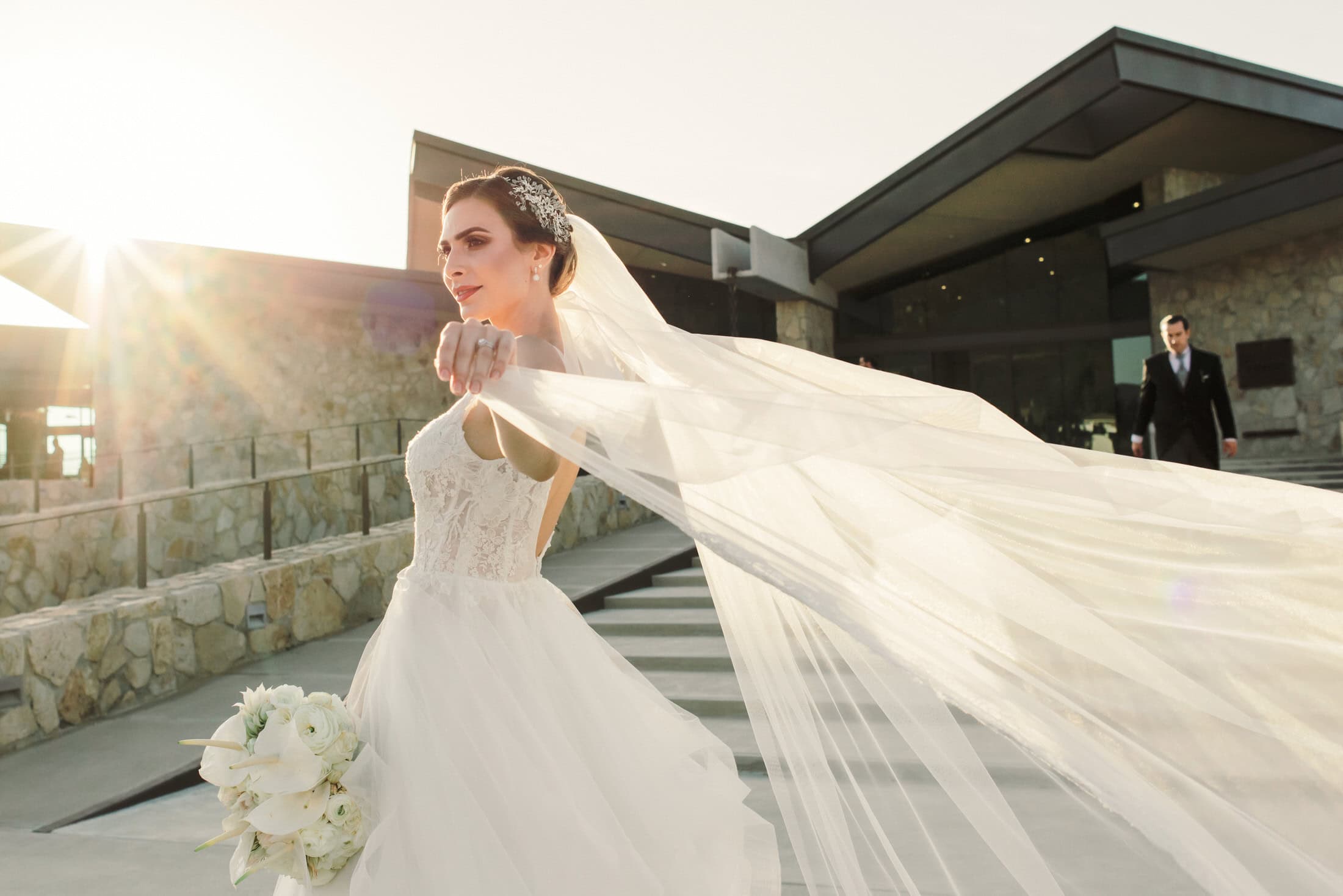
- Textured fabrics. Linen, silk, wool, denim — natural fibers read warmer than synthetic blends. The camera catches the texture during the working hour and the fabric becomes part of the photograph.
- Two outfit changes maximum. More becomes a logistical drag on pacing and the session loses the rhythm that makes engagement portraits read alive. Two outfits, clean transitions, time to settle.
The practical version: outfits chosen against the camera’s read photograph cleaner than outfits chosen on the hanger.
What to skip — outfit choices that fight the camera

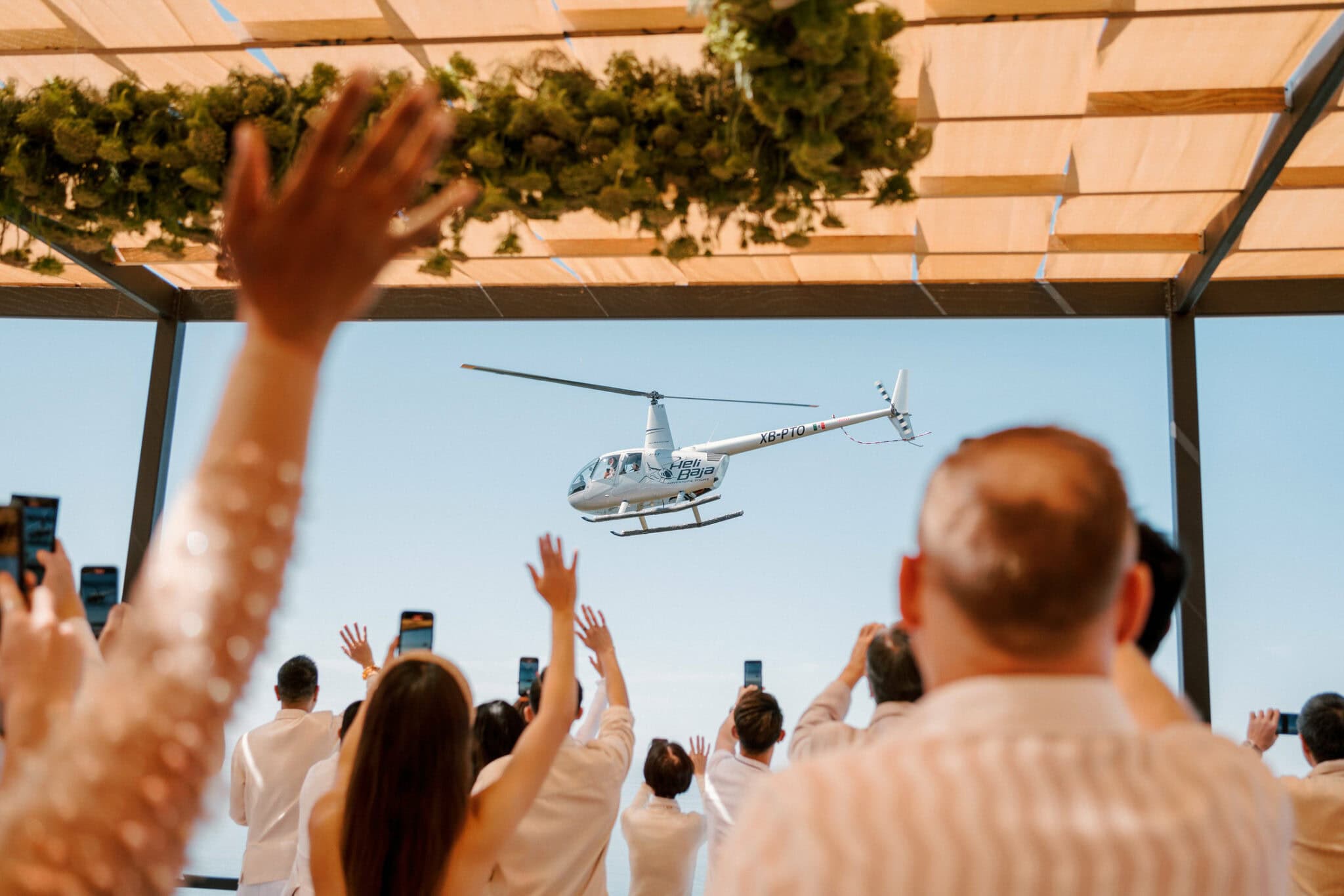
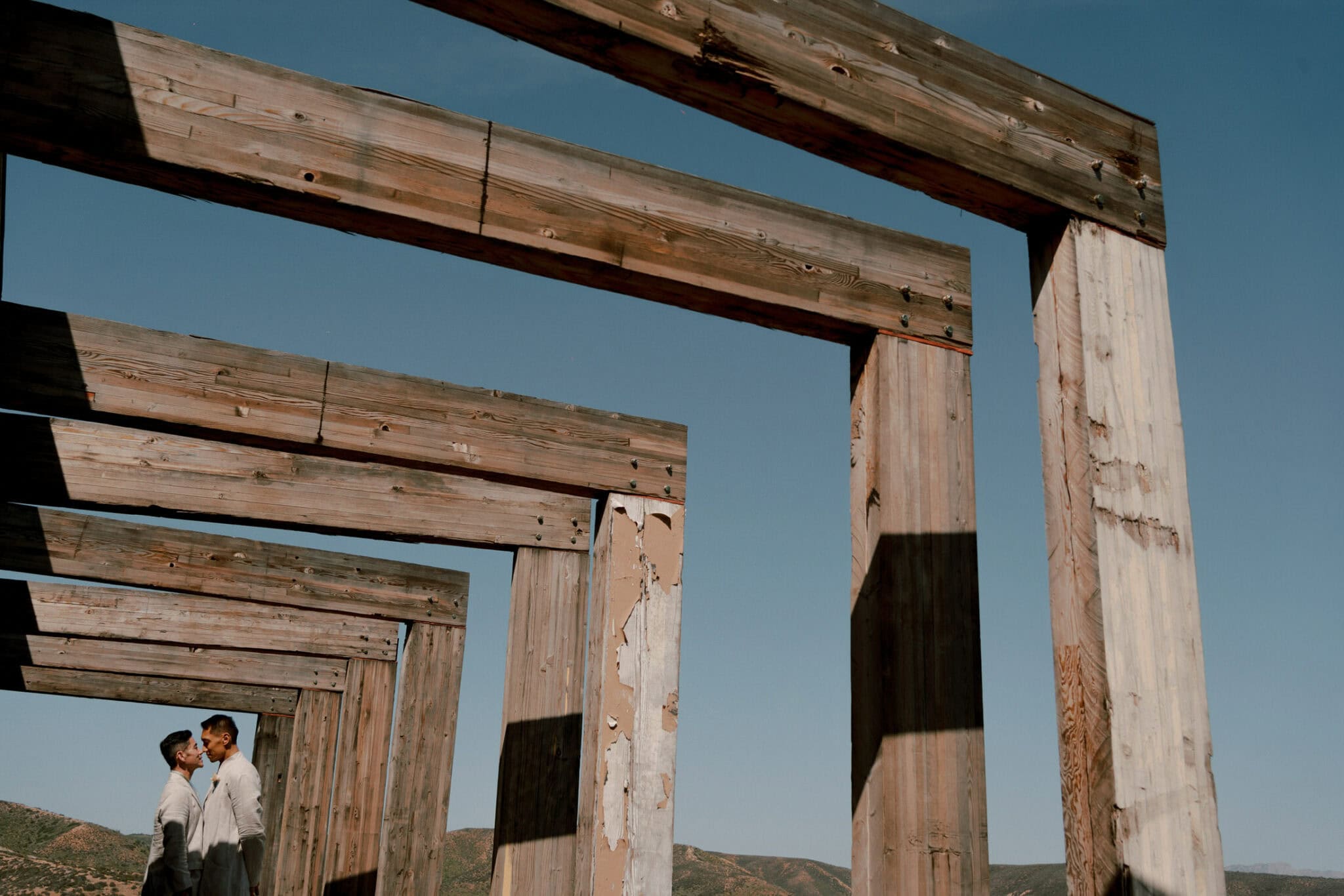
Some outfit instincts popular online actively hurt the photograph. They feel productive but the camera reads them as friction rather than as care. Worth knowing before the session.
The through-line, in plain terms:
- Literally identical matching outfits. Same shirt, same pants, same color — reads forced and dates the photograph immediately. Tonal coherence beats identical matching every time.
- Loud logo-heavy clothing. The camera reads the logo before it reads the person. Brand-forward clothing dates the archive within a year or two.
- Stark white on stark black. High-contrast bites in bright daylight, especially against skin tone. The camera struggles to hold detail in both extremes.
- Untested shoes. Uncomfortable feet show up in the body language. The shoulders lock, the gait shortens, the body reads tense in every frame.
The practical version: friction is the enemy of a quiet engagement photograph. Anything that pulls the eye away from the two people — a logo, a pattern, a stiff fabric, blistered feet — makes the camera’s job harder.
How David Josué reads outfits for an engagement session

Outfits for an engagement session in my practice are a short conversation, not a styling consultation. The body is comfortable. The camera is quiet. The session breathes.
Before any engagement shoot, I ask for outfit options — a few photos on a phone is enough. I’m not reviewing fashion. I’m reading how the colors and textures will photograph against the location during the working hour.
By the time I have a camera out, the choreography is already decided. Not yours — mine. You don’t get a shot list. You don’t pose. You don’t perform for the camera. Most people have spent their adult lives being told to look a certain way for photos, and the body locks the moment a lens points at it. My job is to undo that lock before I make a single frame.
The practical shape of how I work:
- Calm direction. No shot list, no choreography, no performing for the camera.
- Short outfit conversation. Minimal review, focused on tone and texture.
- 25+ years. Photographing weddings in Mexico, Europe, and several other countries.
- Documental, Signature, and Bespoke collections. Pricing on request, sized to the session you actually want.
An engagement session with thoughtful matching outfits rewards a photographer who reads them as light and texture, not as fashion.
Five years from now
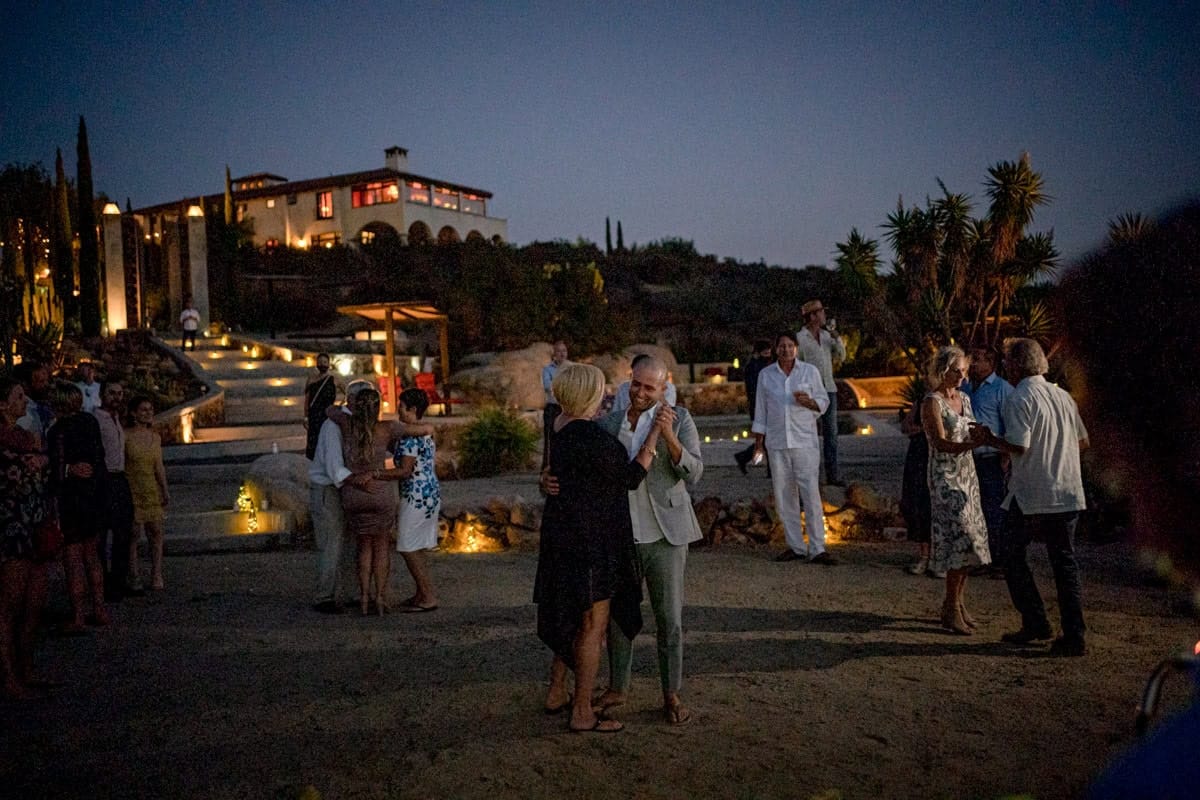
Five years from now, you open a folder. Maybe it’s the anniversary morning. Maybe it’s a random Tuesday and you needed something to hold onto.
The folder works or it doesn’t.
If it works, the afternoon returns to you — your partner’s tonally-coherent jacket against your dress, the light at the working hour catching the linen, the gesture between you that the camera caught and held. You’re not looking at pretty pictures of two people. You’re standing in the afternoon again.
The archive returns the moment. Not just pictures of it.
If it doesn’t work, the folder is a stranger’s session. The pictures are technically fine. They’re nicely lit. But the afternoon doesn’t return.
A well-thought engagement session with matching outfits in the right register gives a photographer skin, fabric, light, and gesture. What the archive keeps depends on how cleanly those decisions were made.