Domecq Winery in Valle de Guadalupe — a photographer’s read
Domecq Winery is one of Valle de Guadalupe’s historic vineyard properties — working vineyards, architectural character that has anchored the region’s wedding venue tradition for years. Couples find this article through searches like “domecq winery” when they’ve shortlisted the property and want a read from a photographer who works the Valle.
This article isn’t a venue directory. What I can tell you, as a photographer who has worked across Valle de Guadalupe properties, is what the Domecq grounds give a camera, where the vines deliver the working frames, and how a wedding here photographs across the day’s hours.
The orientation, briefly:
- Location. Valle de Guadalupe wine country.
- Character. Historic vineyard property with working vineyards and traditional architectural character.
- Photographer’s read. The vines and the property’s warm architectural surfaces carry the working frames. The historic character grounds the photographs.
- Strong fit for. Couples who want traditional vineyard atmosphere with the visual depth of an established property.
What Domecq gives a camera
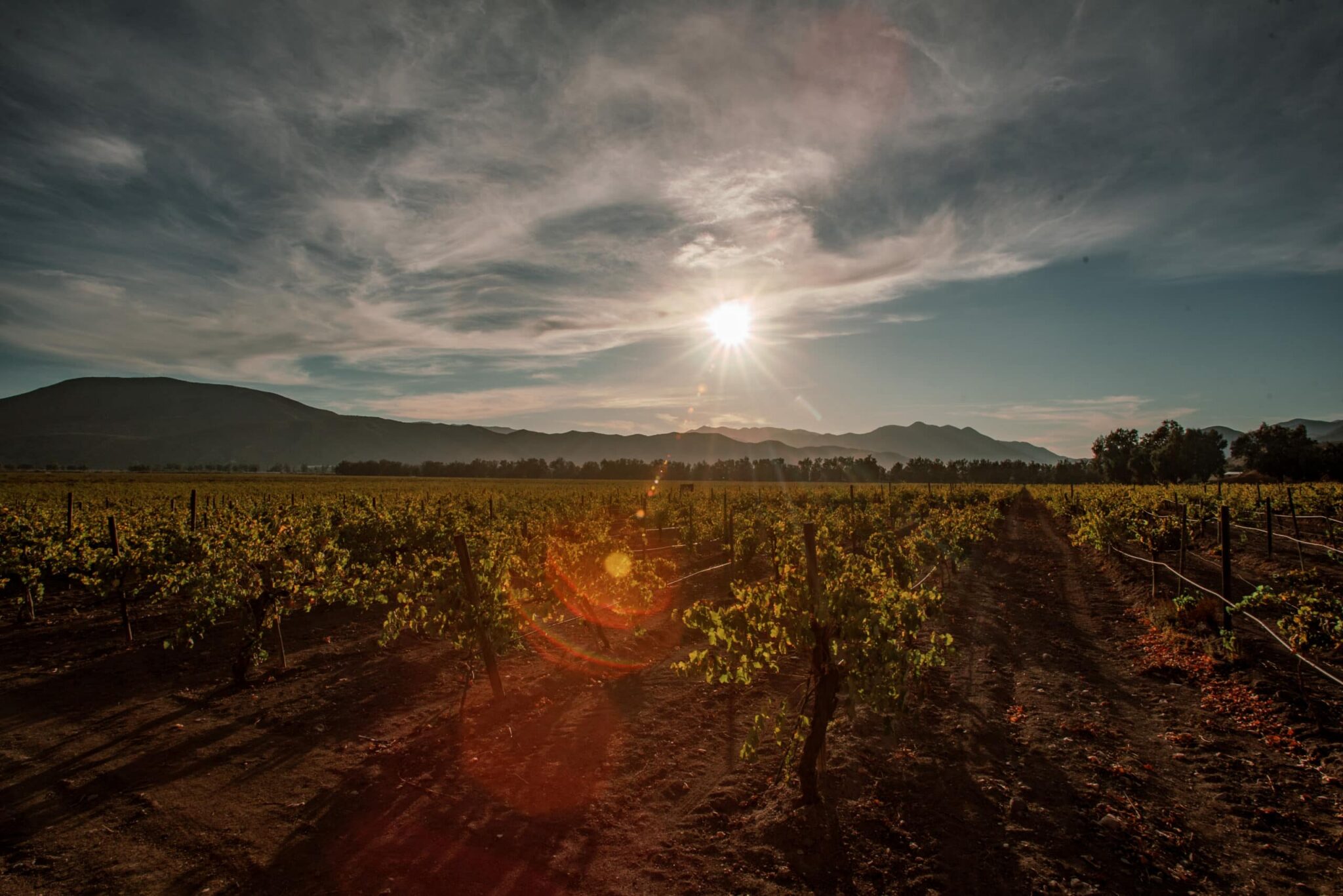
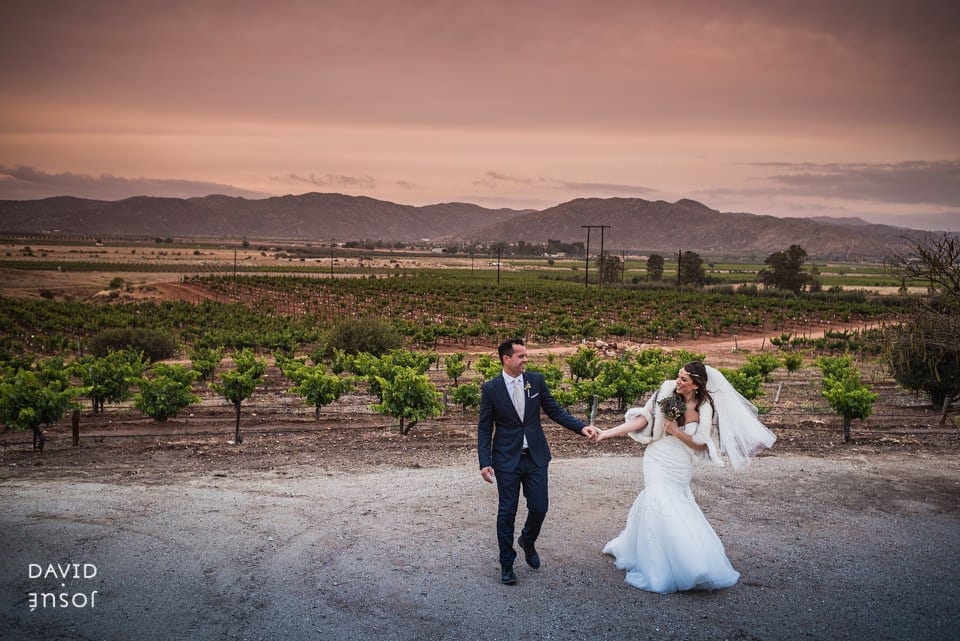

A domecq winery wedding photographs in line with the broader Valle vineyard tradition — but with the specific character of a historic working property. Knowing the through-line helps couples read what the gallery will deliver.
The through-line, in plain terms:
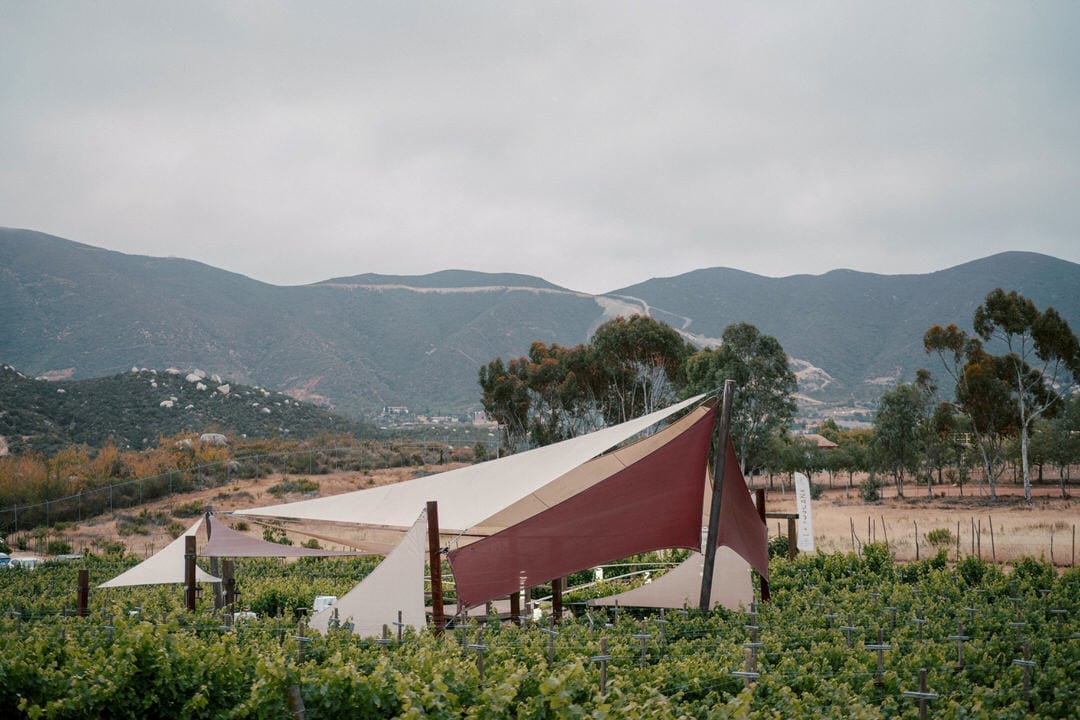
- Working vineyards. Receding-line geometry through the vine rows during golden hour. The camera composes against rows that have been worked for years; the visual depth is real, not staged.
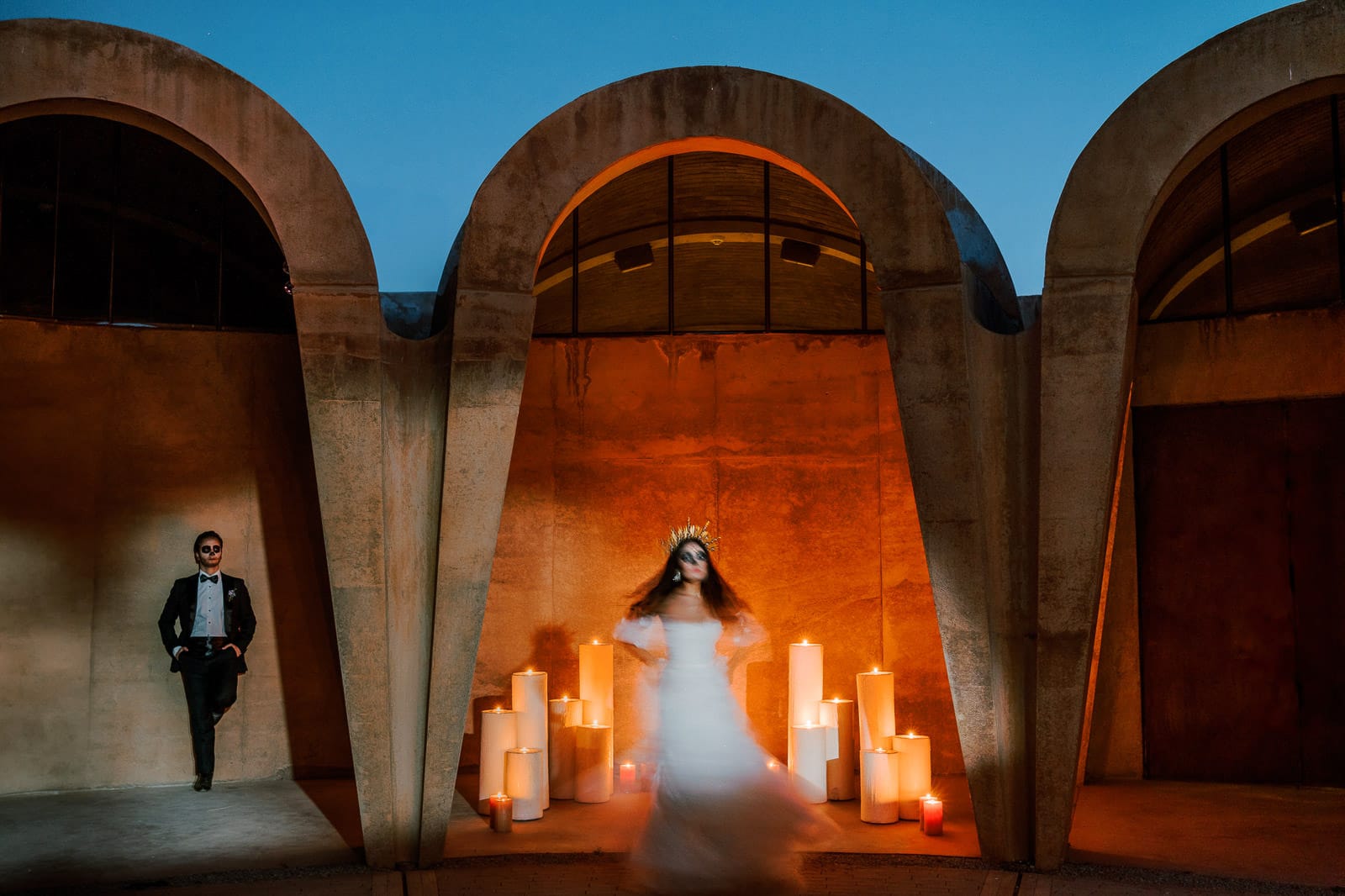
- Architectural character. Warmer materials that read honest under tungsten and natural light. The walls carry the day’s heat and bounce a warm tone into ceremony portraits during the final hour.
- Interior wine production spaces. Alternative environments for ceremony or reception — barrel rooms, tasting spaces — depending on what the venue allows.
- Property scale. Multiple working zones across the grounds give the photographer flexibility during the day’s hours.
The practical version: a wedding here rewards couples who want their photographs anchored in vineyard tradition rather than novelty. The property delivers what the Valle’s working wineries have always given the camera.
How a Domecq wedding photographs across the day
A domecq winery wedding day uses the property’s working vineyards and architectural character as the through-line. The rhythm is similar to other Valle properties; what’s different is the historic grounding.
The photographable rhythm, in rough order:
- Morning. Soft, indirect light for getting-ready frames if preparation happens on the property or nearby.
- Ceremony. Verify ceremony policies and the exact location directly with the venue — outdoor in the vines, indoor in a wine production space, or in a courtyard area depending on the property’s wedding configuration.
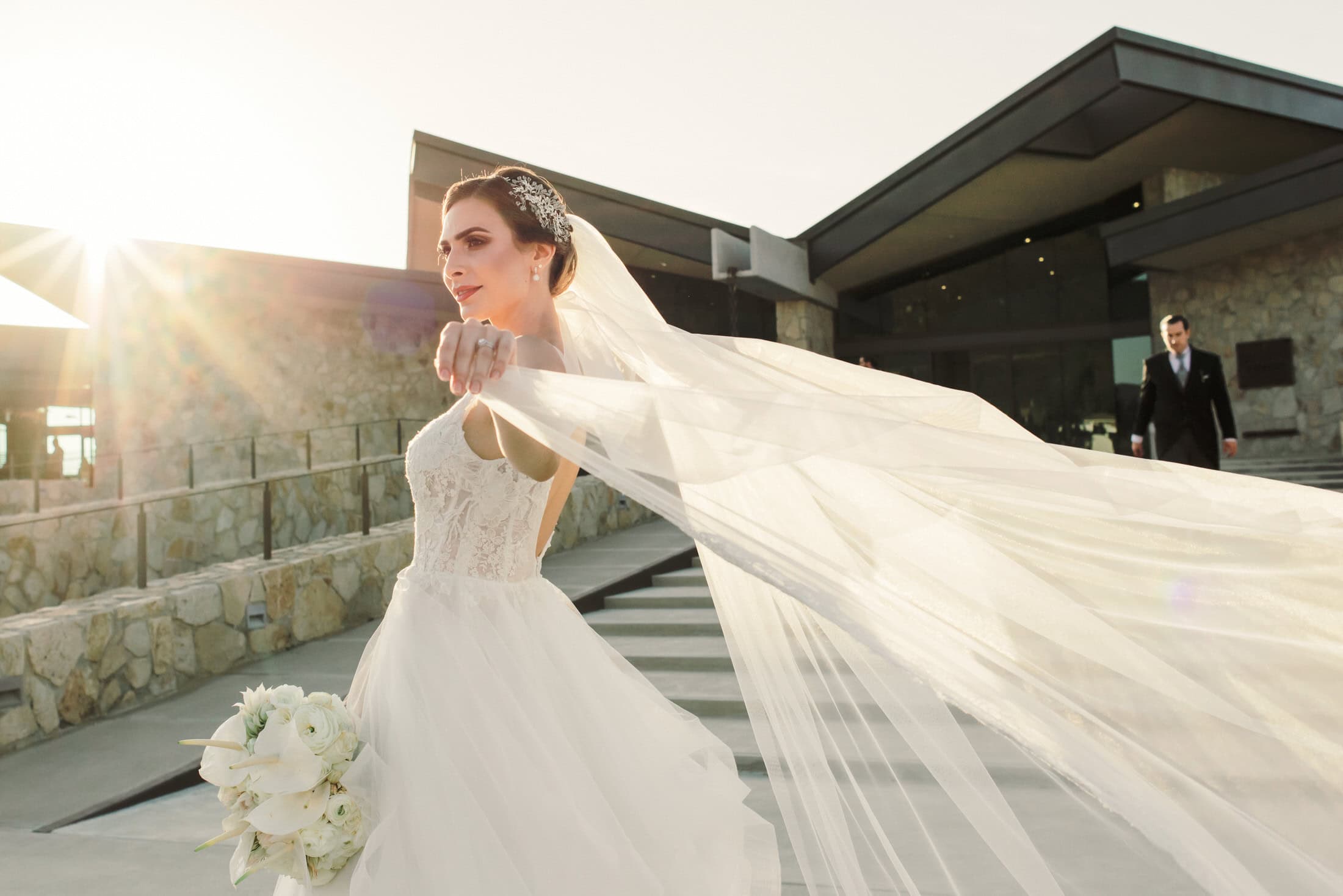
- Couple portraits at golden hour. Vine geometry on the property’s grounds combined with the architectural surfaces. The working window — short, generous, decisive.
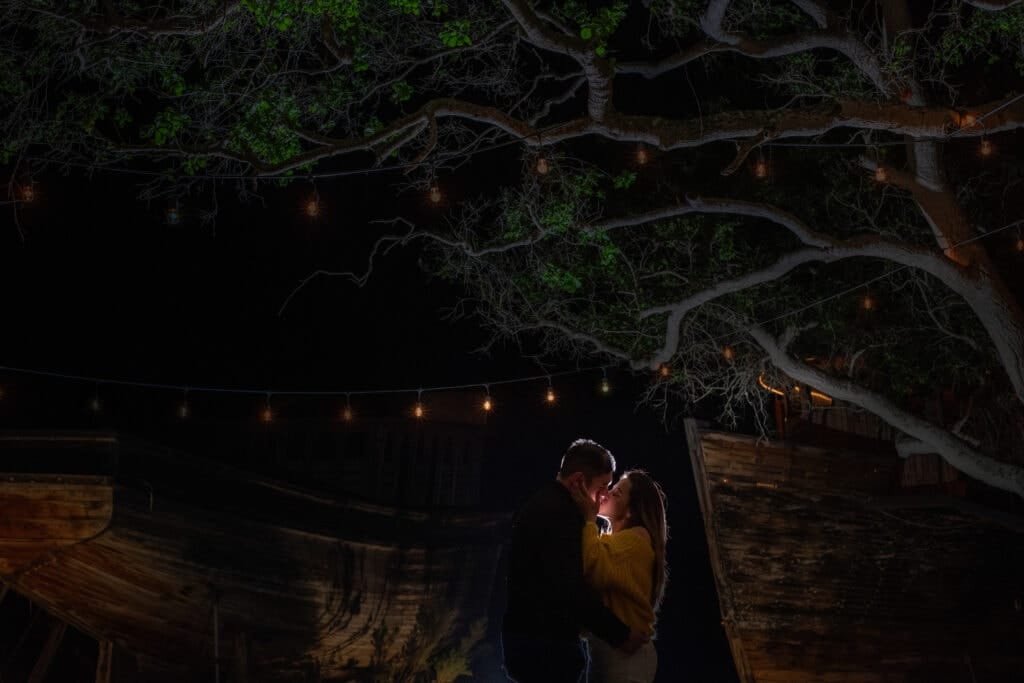
- After dusk. Interior or lit-grounds frames carry the reception. The historic architecture reads warm under available lighting.
The practical version: a wedding here works for couples who want the day routed through a property with depth. The photographer follows the wedding through ceremony, vineyard portraits, and reception within the same grounds.
How David Josué works at historic Valle properties
Historic vineyard properties photograph differently from new construction. The walls have age, the vines have been worked for years, the architectural surfaces carry weight that newer venues don’t replicate. Working a domecq winery wedding means reading that depth and using it.
Before any historic Valle property shoot, I scout the grounds. I read where the late-afternoon light hits the architectural surfaces, where the vines deliver the golden-hour couple portraits, which interior spaces the venue allows for ceremony or reception. None of that work is visible to you on the day.
By the time I have a camera out, the choreography is already decided. Not yours — mine. You don’t get a shot list. You don’t pose. You don’t perform for the camera. Most people have spent their adult lives being told to look a certain way for photos, and the body locks the moment a lens points at it. My job is to undo that lock before I make a single frame.
The practical shape of how I work:
- Calm direction. No shot list, no choreography, no performing for the camera.
- Quiet preparation. I read the property’s grounds and architectural surfaces before the day.
- 25+ years. Photographing weddings in Mexico, Europe, and several other countries.
- Documental, Signature, and Bespoke collections. Pricing on request, sized to the day you actually want.
A historic Valle property rewards a photographer who reads the property’s depth carefully.
Five years from now
Five years from now, you open a folder. Maybe it’s the anniversary morning. Maybe it’s a random Tuesday and you needed something to hold onto.
The folder works or it doesn’t.
If it works, the property returns to you — the vines at golden hour, the warm architectural surfaces during the ceremony, your partner standing inside the working winery during couple portraits. You’re not looking at pretty pictures of a wedding. You’re standing in the day again.
The archive returns the moment. Not just pictures of it.
If it doesn’t work, the folder is a stranger’s wedding. The pictures are technically fine. They’re nicely lit. But the day doesn’t return.
A domecq winery wedding gives a photographer historic vineyard depth in every frame. What the archive keeps from that depends on how the day was timed and how the camera worked with the property’s character.