Destination wedding — what the day actually needs
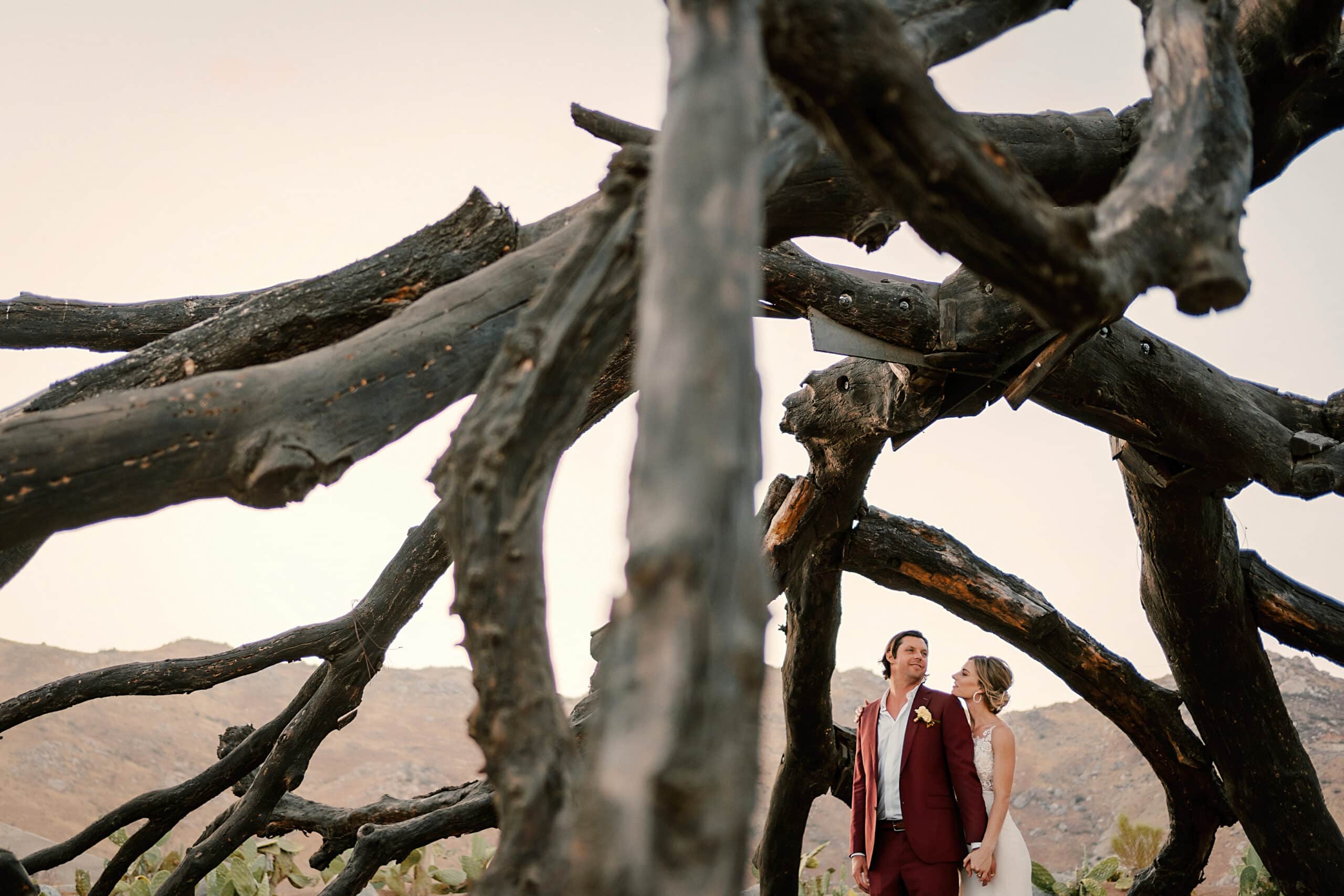
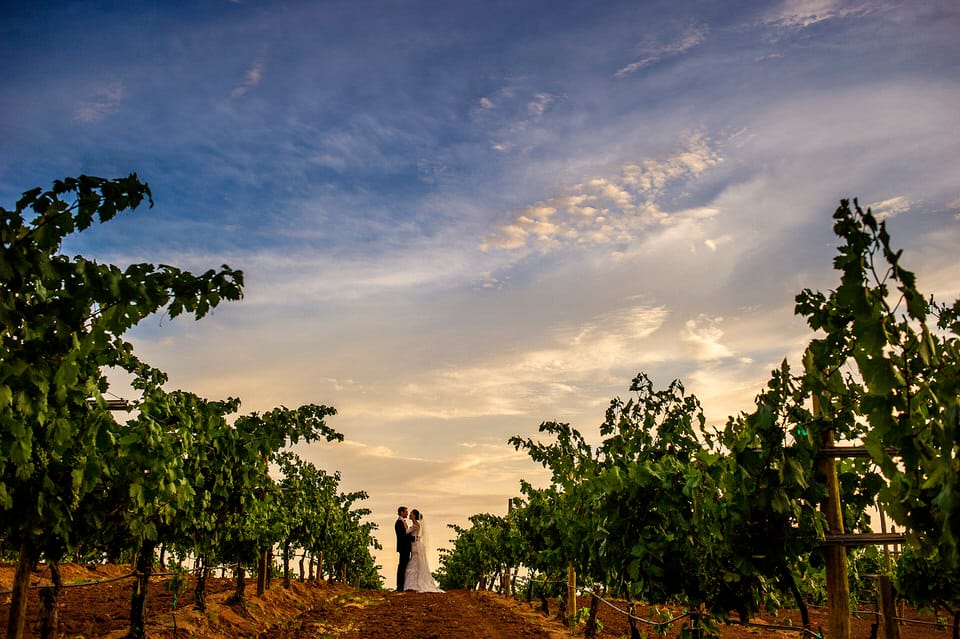
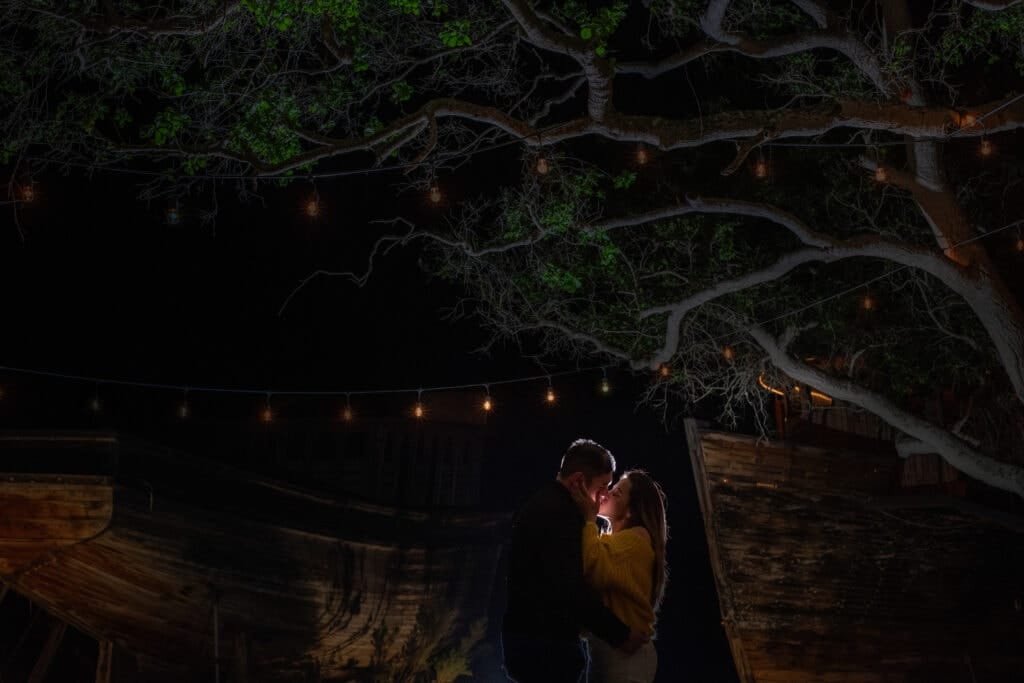
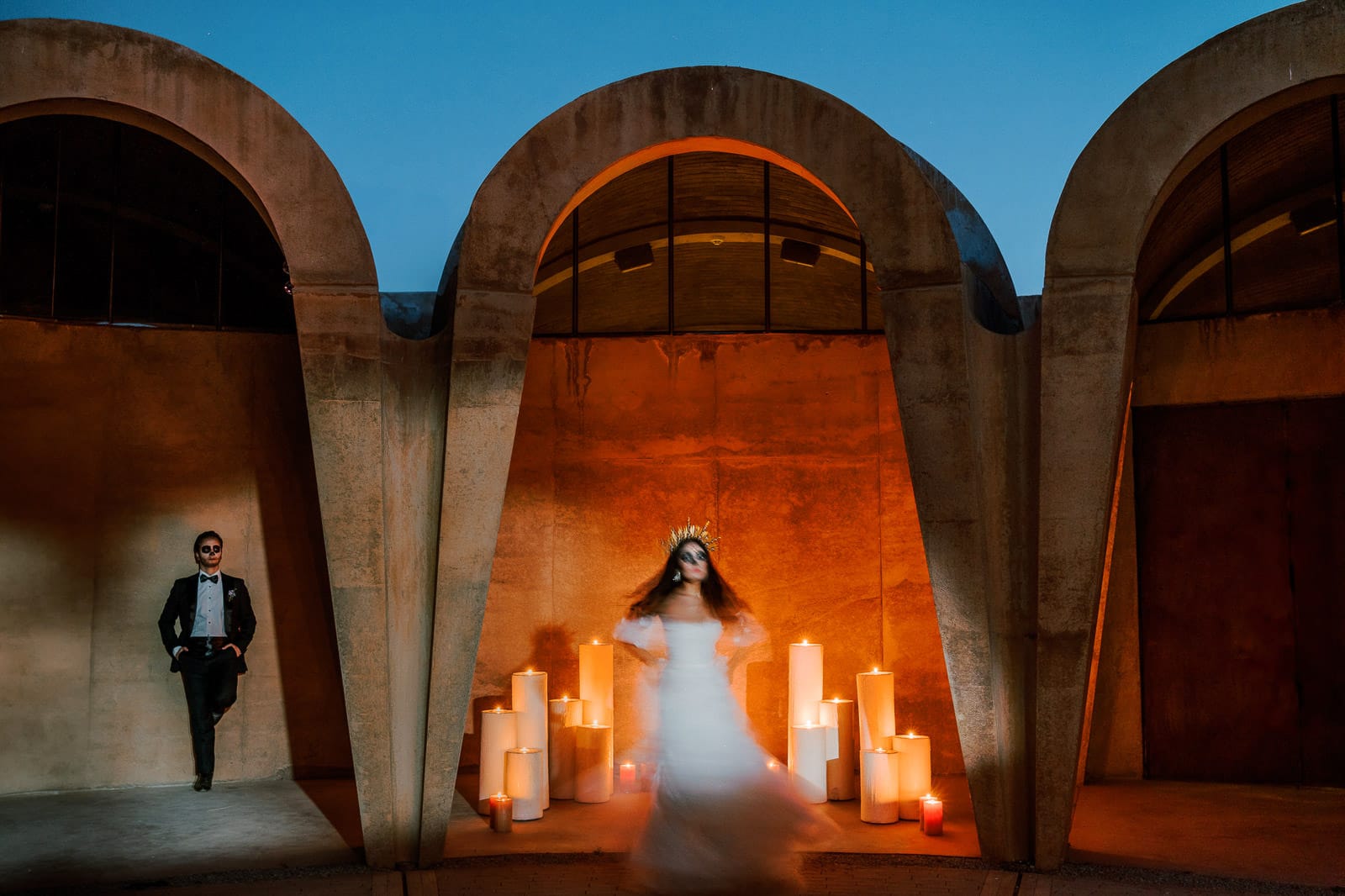
A destination wedding is one held in a region different from the couple’s home city — and the format reshapes the photograph in ways a home-city event doesn’t. The regional light, the architecture, the multi-day logistics all become part of the visual story.
Couples find this article through searches like “destination wedding” when researching how the format works and what to plan for. I’m not the planner. What I can tell you, as a photographer who has worked these celebrations across Mexico, Europe, and several other countries, is what the format actually demands from the photograph and how the day photographs differently.
The orientation, briefly:
- Format. Wedding held in a region different from the couple’s home city.
- What changes. Light, architecture, multi-day guest rhythm, regional cuisine, logistics.
- Photographer’s read. Regional knowledge matters more than a home-city event. The place is part of the photograph.
- Strong fit for. Couples who want their archive to carry the place, not just the people.
What makes destination weddings photograph differently
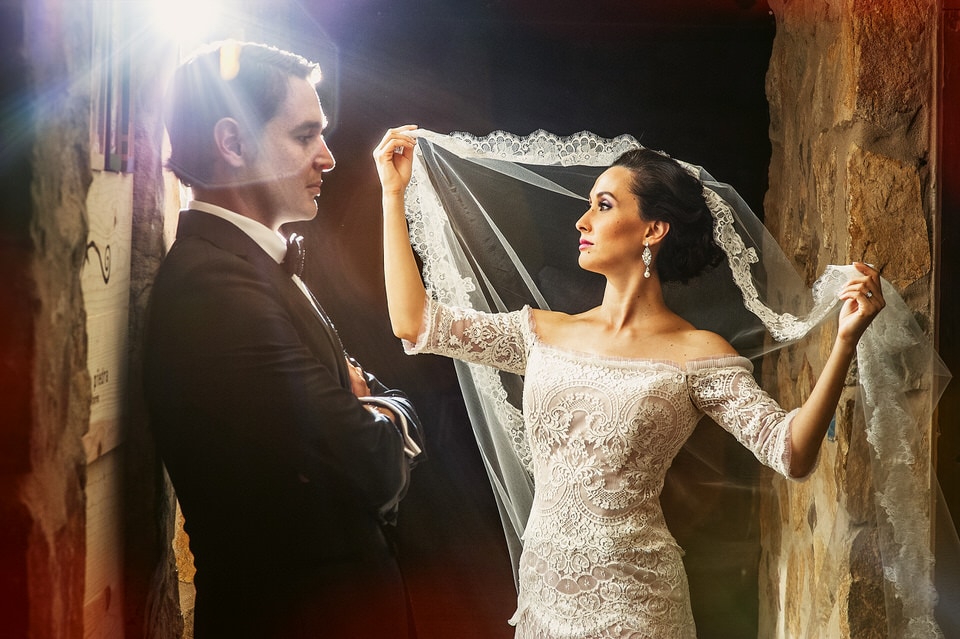
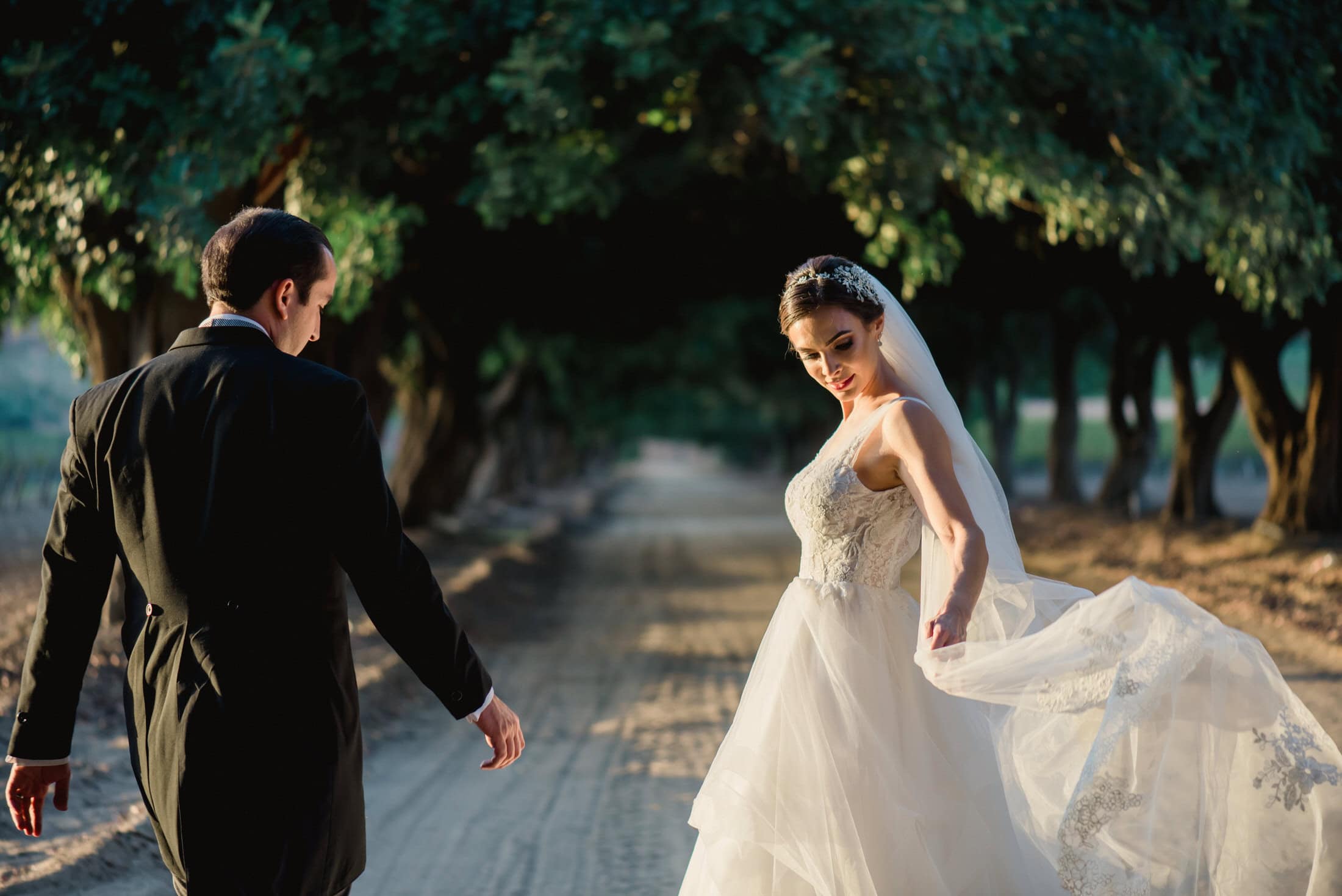
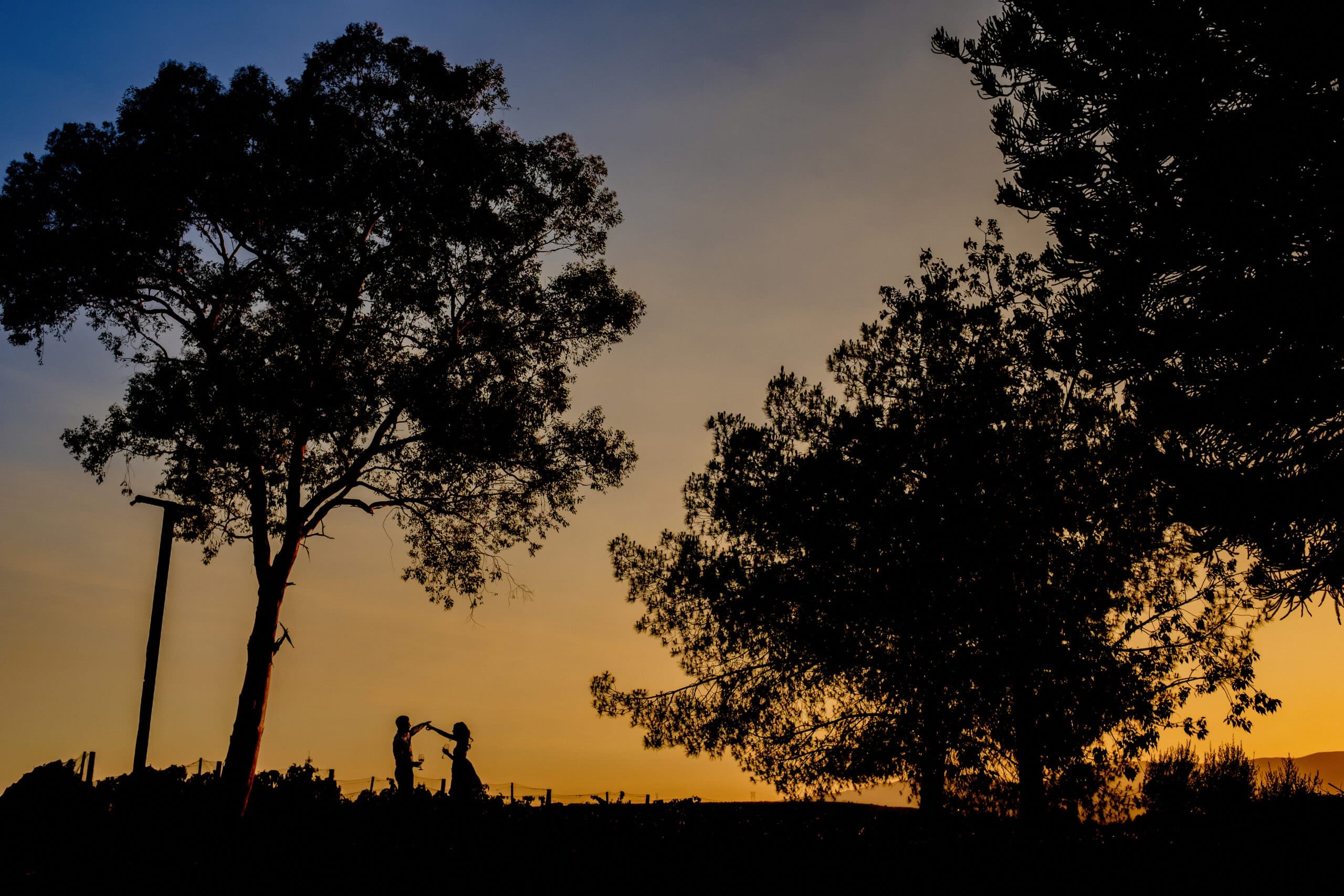
A destination wedding photographs differently from a home-city celebration because the place itself participates in the day. The light is foreign, the architecture is foreign, the logistics force multi-day rhythm. All of it shows up in the camera.
The through-line, in plain terms:
- Regional light and architecture. The visual signature of the destination becomes part of the photograph in ways a home-city venue doesn’t replicate.
- Multi-day guest presence. Guests travel in days before and stay days after. The camera’s rhythm shifts to cover welcome events, rehearsal, ceremony, day-after.
- Local cuisine, regional materials, indigenous design language. The dinner table, the venue surfaces, the decor all carry regional character that wouldn’t appear at a home-city event.
- Regional photographer knowledge. A destination wedding rewards a photographer who works the region — knows the light, the wind, the architectural surfaces.
The practical version: the wedding photographs as the place plus the people. A photographer parachuting in for the day misses what makes the destination part of the archive. A photographer who works the region uses it.
How destination weddings actually photograph across multiple days
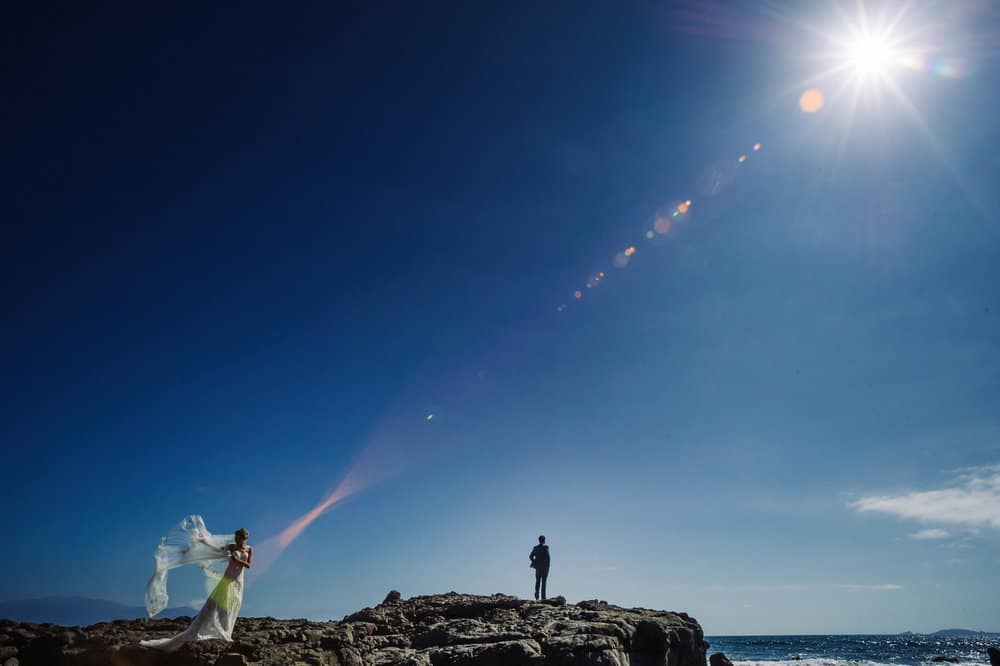


A destination wedding day isn’t a single-day event. The format spreads across welcome dinner, rehearsal, the wedding itself, and the day-after. The camera moves with the couple through all of it.
The rhythm, in rough order:
- Welcome event or rehearsal dinner. Quieter visual rhythm, intimate scale. Often the strongest emotional frames of the weekend — guests reuniting, family together for the first time in months.
- Wedding day. The regional light at the working hour shapes the ceremony and the couple portraits. Whatever destination, the final hour before sunset is the consistent working window.
- Day-after. Softer light, looser energy. The photograph that often surprises couples most — relaxed, present, real.
- The multi-day arc. Gives the archive depth a single-day wedding can’t match. The place comes back across the days, not just one frame.
The practical version: a destination wedding photograph isn’t one image of the ceremony. It’s an arc — welcome, build-up, day, recovery — and a photographer who knows the format works all of it.
How David Josué works destination weddings
Working a destination wedding means knowing the region — its light, its architecture, its rhythm — before the day. The work that’s invisible to the couple is what makes the photograph work.
Before any of these shoots, I scout the venue and the region. I read where the light lands at the working hours, where the wind picks up, which corners deliver the strongest couple portraits. None of that work is visible to you on the day.
By the time I have a camera out, the choreography is already decided. Not yours — mine. You don’t get a shot list. You don’t pose. You don’t perform for the camera. Most people have spent their adult lives being told to look a certain way for photos, and the body locks the moment a lens points at it. My job is to undo that lock before I make a single frame.
The practical shape of how I work:
- Calm direction. No shot list, no choreography, no performing for the camera.
- Quiet preparation. I read the region’s light and the venue’s character before the wedding.
- 25+ years. Photographing weddings in Mexico, Europe, and several other countries.
- Documental, Signature, and Bespoke collections. Pricing on request, sized to the day you actually want.
A destination wedding rewards a photographer who’s done the regional homework.
Five years from now
Five years from now, you open a folder. Maybe it’s the anniversary morning. Maybe it’s a random Tuesday and you needed something to hold onto.
The folder works or it doesn’t.
If it works, the destination returns to you — the regional light, the venue’s character, the day-after walk through the place you chose. Your partner standing inside that world. You’re not looking at pretty pictures of a wedding. You’re standing in the day again.
The archive returns the moment. Not just pictures of it.
If it doesn’t work, the folder is a stranger’s wedding. The pictures are technically fine. They’re nicely lit. But the destination doesn’t return. The place is gone from the photograph.
A destination wedding gives a photographer the place to work with. What the archive keeps from that depends on how the photographer used the place — not just photographed it.