Golden hour weddings — the working window every couple’s wedding day depends on
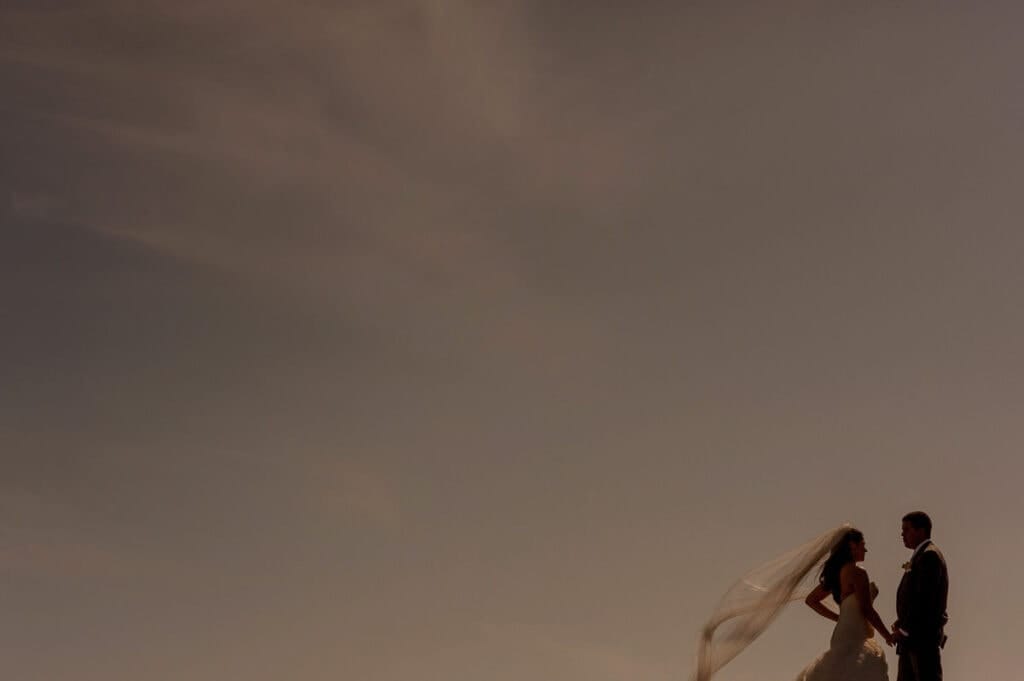
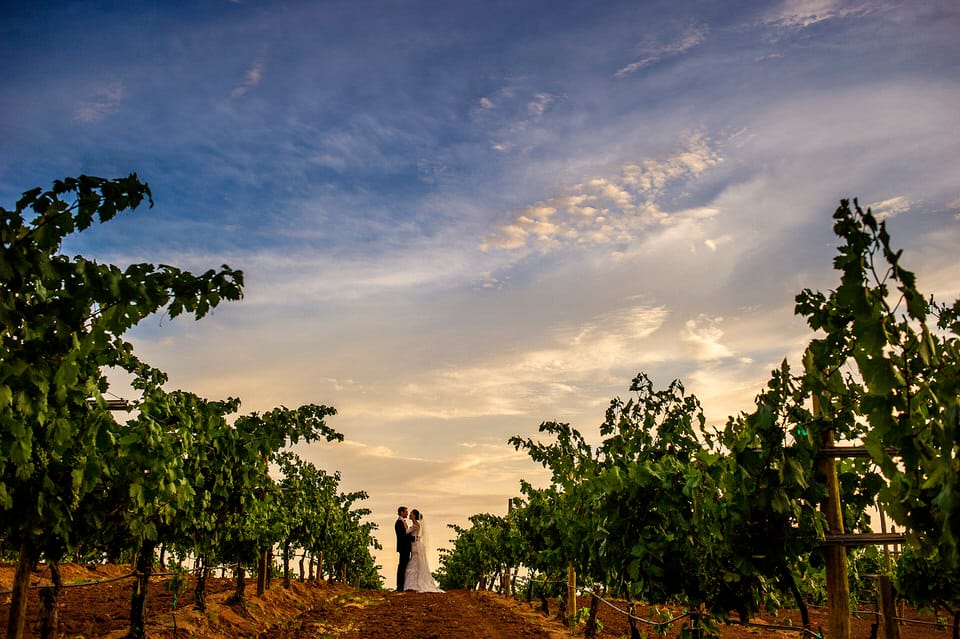
Golden hour is the final hour before sunset, when natural light turns warm, directional, and generous. For wedding photographers, this is the working window everything else gets timed against. The window is short — depending on the region and season — and getting the couple portraits inside it makes the difference between an archive that returns the day and one that doesn’t.
Couples find this article through searches like “golden hour” when planning the wedding day’s photographic timing and want a photographer’s read on how to actually work the window.
The orientation, briefly:
- Definition. Golden hour — the final hour before sunset across most regions.
- Duration. Typically a short window depending on season and latitude.
- Photographer’s read. The working window. Couple portraits sit here, not before or after.
- What matters. Timing the day so the camera lands in this window rather than fighting it.
What golden hour actually does for the photograph
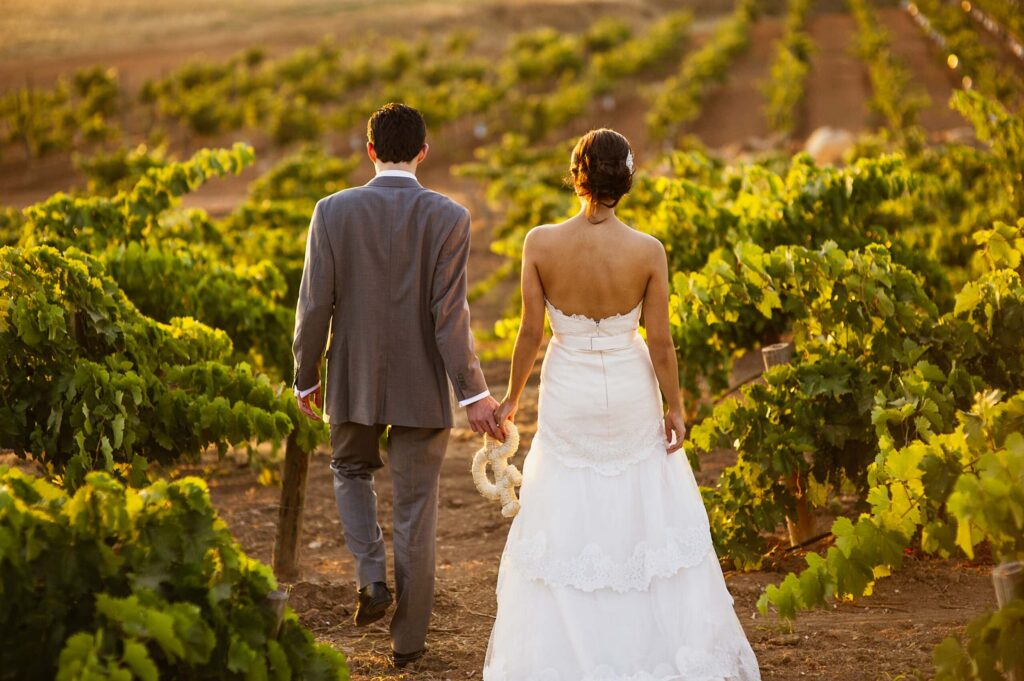
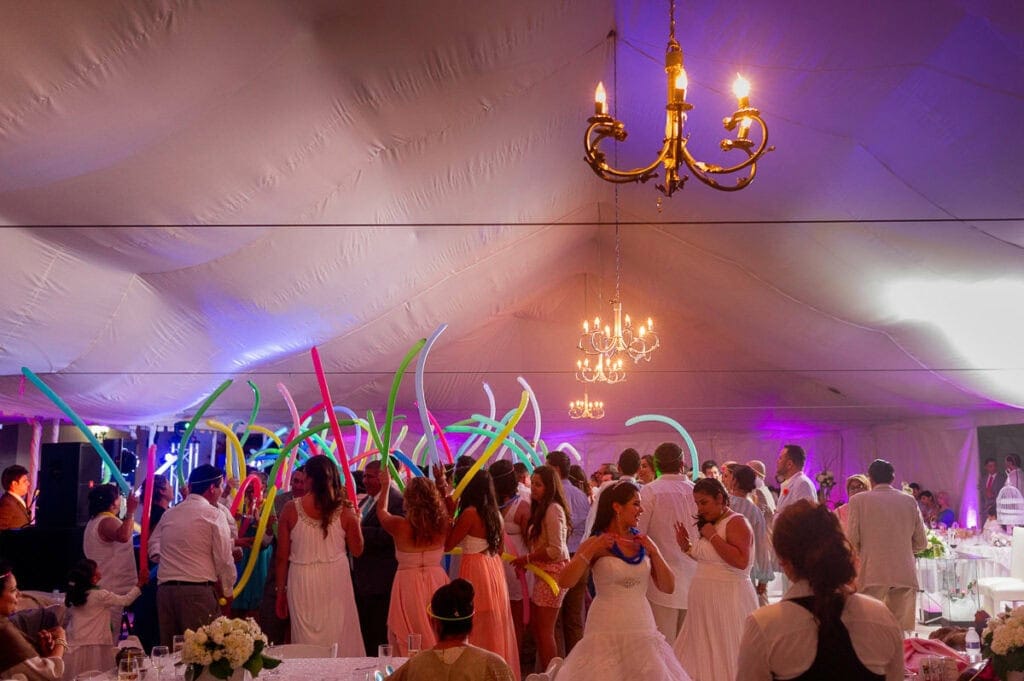
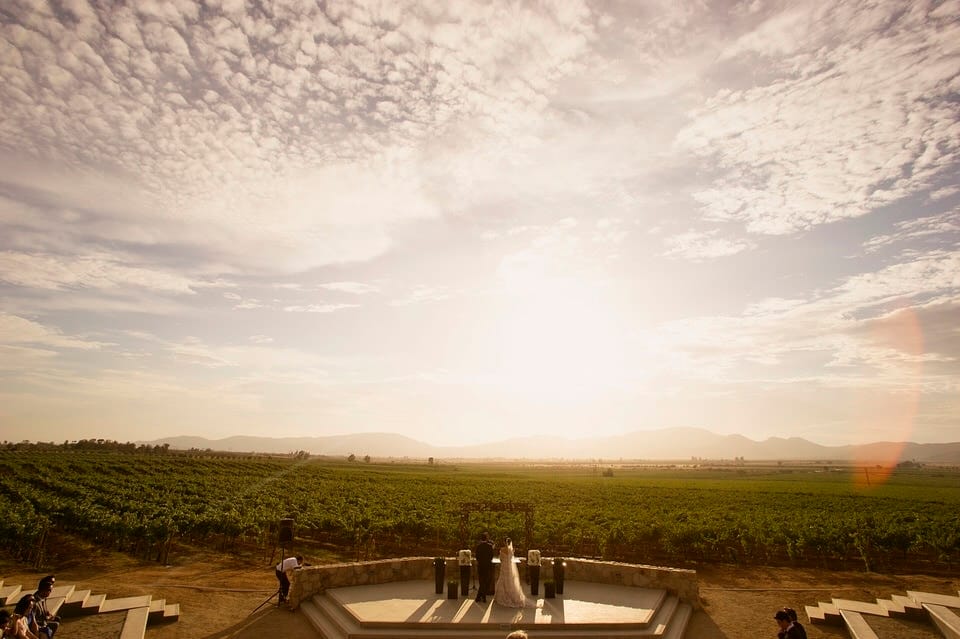
Knowing what the golden hour window actually does to the photograph helps couples understand why the photographer keeps emphasizing it.
The through-line, in plain terms:
- Warm directional light. Flatters skin tones without requiring color correction in post. The camera reads honest warm color directly.
- Low sun angle. Creates long shadows that compose the photograph for the camera — receding lines, framing edges, depth that doesn’t have to be invented.
- Honest color cast. Backgrounds, dresses, suits all carry the same regional warm tone. The photograph feels like one place rather than a mix of light sources.
- Outdoor portrait quality. Pictures during this window photograph cleaner than any other time of day. Mid-day is harsh; pre-dusk is the soft window before evening.
The practical version: a wedding photograph timed inside golden hour has the camera doing one job (catching the moment) while the natural light does another (making the photograph beautiful). Outside the window, the camera has to fight the light.
How to time the wedding day around golden hour
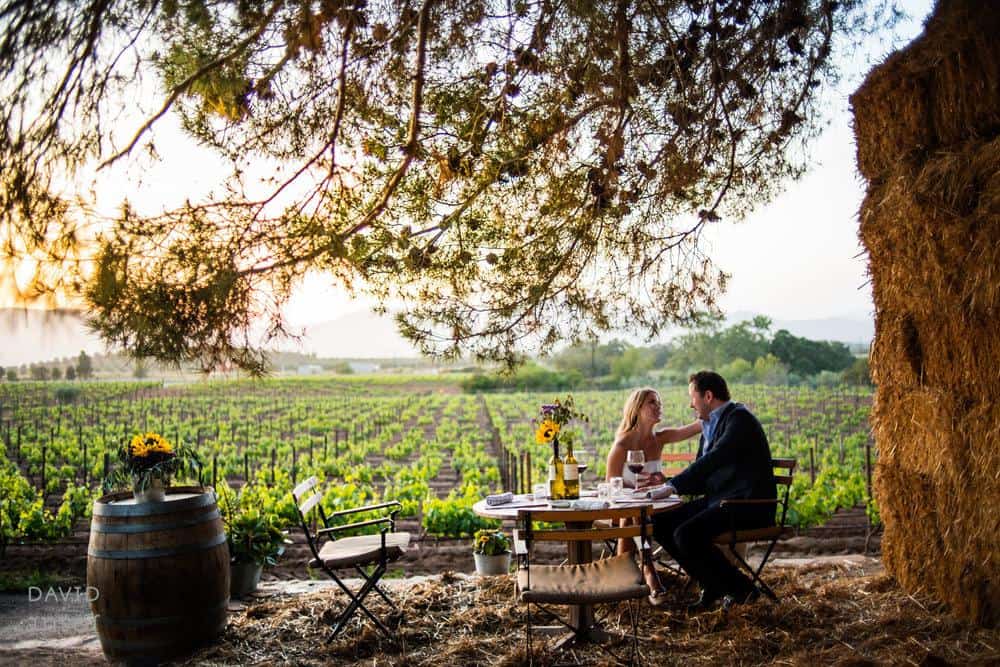
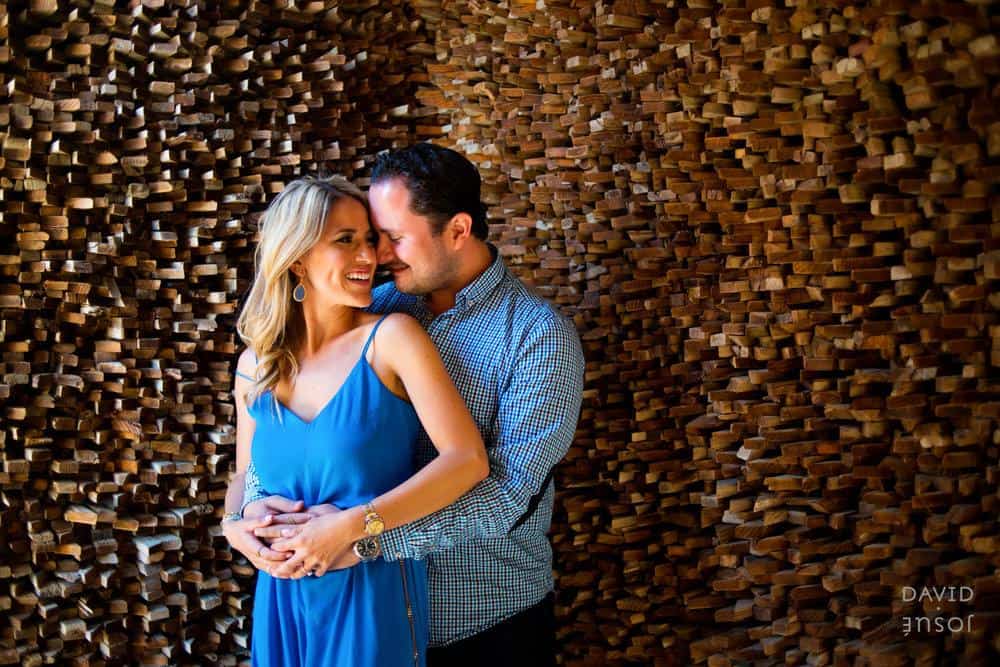
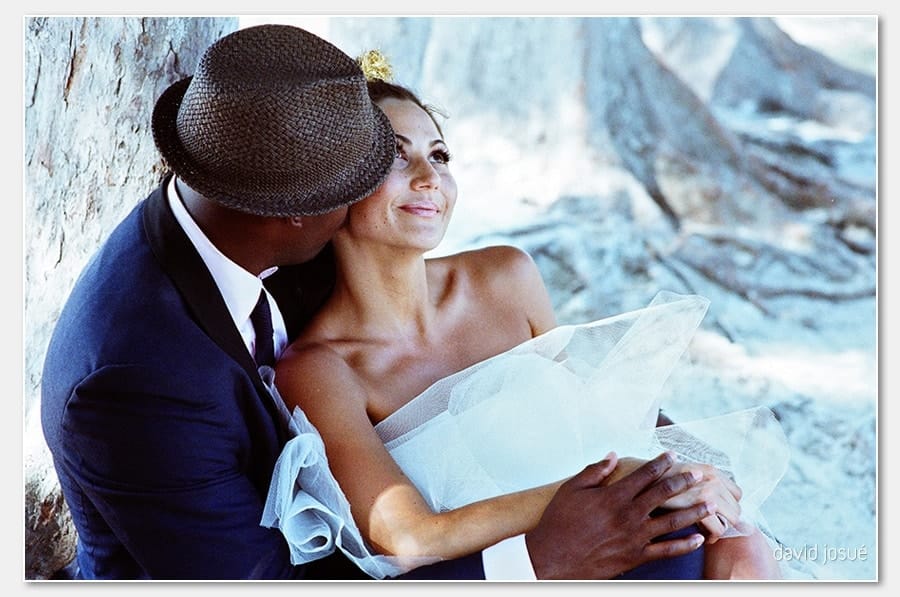
Timing the wedding day around golden hour means working backward from sunset. The ceremony, cocktail hour, dinner — everything stacks against the window.
The scheduling logic, in plain terms:
- Ceremony timing. Schedule so the couple portraits land inside the working window. Usually means ceremony the late afternoon before sunset.
- Regional variation. The window shifts by season, latitude, and venue exposure. Summer sunsets are later; winter sunsets earlier. East-facing venues lose the light sooner than west-facing.
- Photographer’s scouting. I read the day’s specific timing for the venue and date before the wedding. None of that work is visible to you on the day.
- Cocktail and reception logistics. Flow around the portrait window, not against it. Skipping cocktail hour for couple portraits is sometimes the right call.
The practical version: a wedding day timed around golden hour gives the photographer everything they need. A wedding day timed against it leaves the photographer fighting harsh light or chasing the last of the window.
How David Josué uses golden hour at the wedding

Working golden hour means doing the homework before the wedding day. The window is too short to improvise once it arrives.
Before any wedding I photograph, I scout the venue and read the day’s specific sunset timing. I know where the sun lands at the working hour for that specific date and venue, where the wind picks up, which corner of the property delivers the strongest couple-portrait window. None of that work is visible to you on the day.
By the time I have a camera out, the choreography is already decided. Not yours — mine. You don’t get a shot list. You don’t pose. You don’t perform for the camera. Most people have spent their adult lives being told to look a certain way for photos, and the body locks the moment a lens points at it. My job is to undo that lock before I make a single frame.
The practical shape of how I work:
- Calm direction. No shot list, no choreography, no performing for the camera.
- Quiet preparation. I read the day’s specific sunset timing before the wedding.
- 25+ years. Photographing weddings in Mexico, Europe, and several other countries.
- Documental, Signature, and Bespoke collections. Pricing on request, sized to the day you actually want.
Golden hour rewards a photographer who’s done the timing homework.
Five years from now
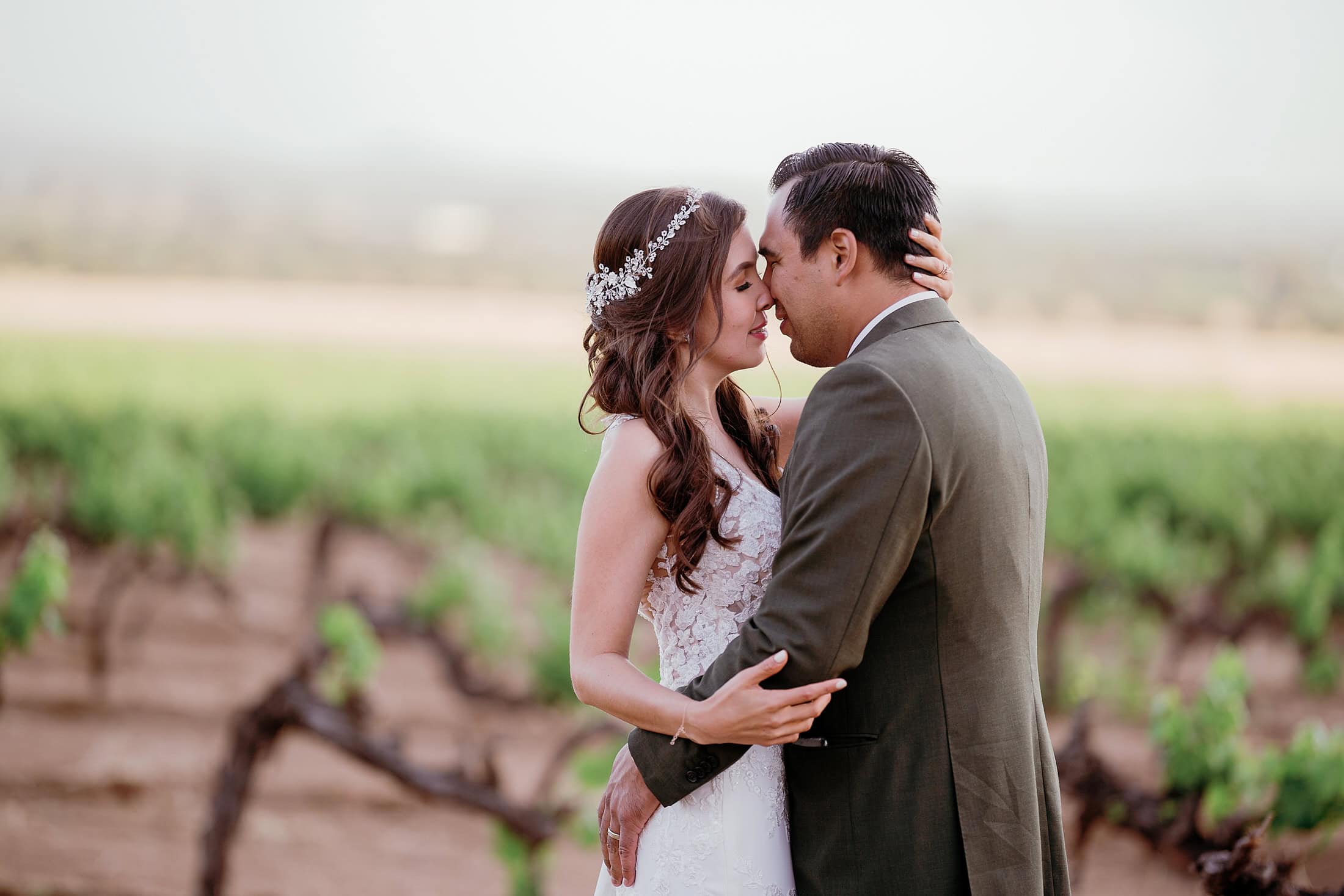

Five years from now, you open a folder. Maybe it’s the anniversary morning. Maybe it’s a random Tuesday and you needed something to hold onto.
The folder works or it doesn’t.
If it works, the warm light returns to you — the moment the camera caught it before it was gone, the way the late-afternoon sun fell on your faces, the gold across the venue at the working hour. You’re not looking at pretty pictures of a wedding. You’re standing in the day again.
The archive returns the moment. Not just pictures of it.
If it doesn’t work, the folder is a stranger’s wedding. The pictures are technically fine. They’re nicely lit. But the day doesn’t return.
Golden hour gives a photographer one window in the day where everything aligns. What the archive keeps depends on whether the day was timed to land inside that window or outside it.