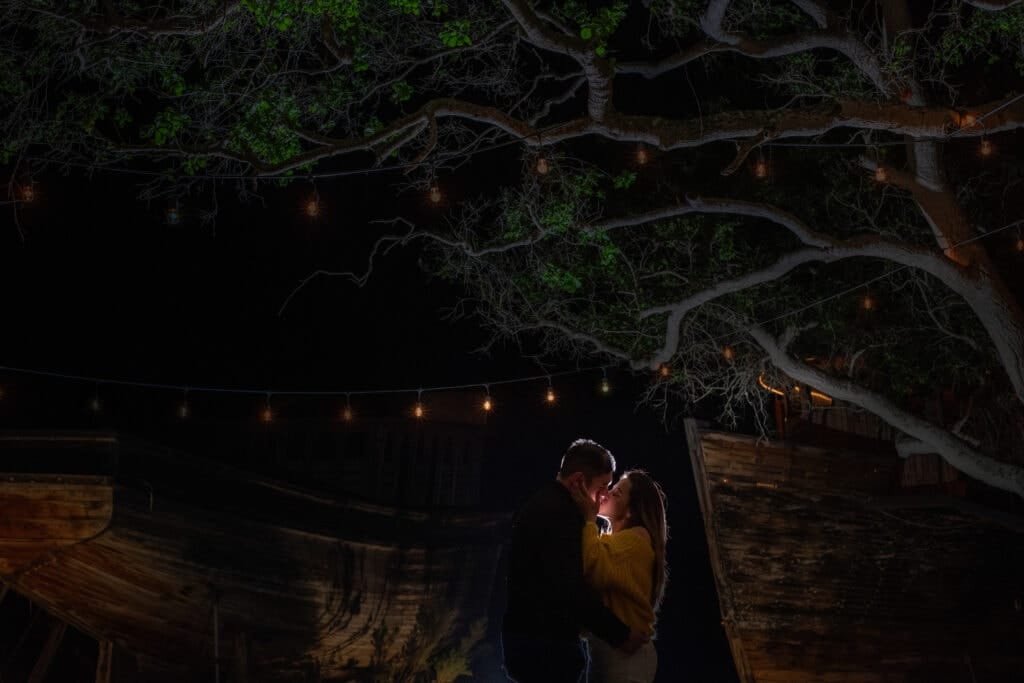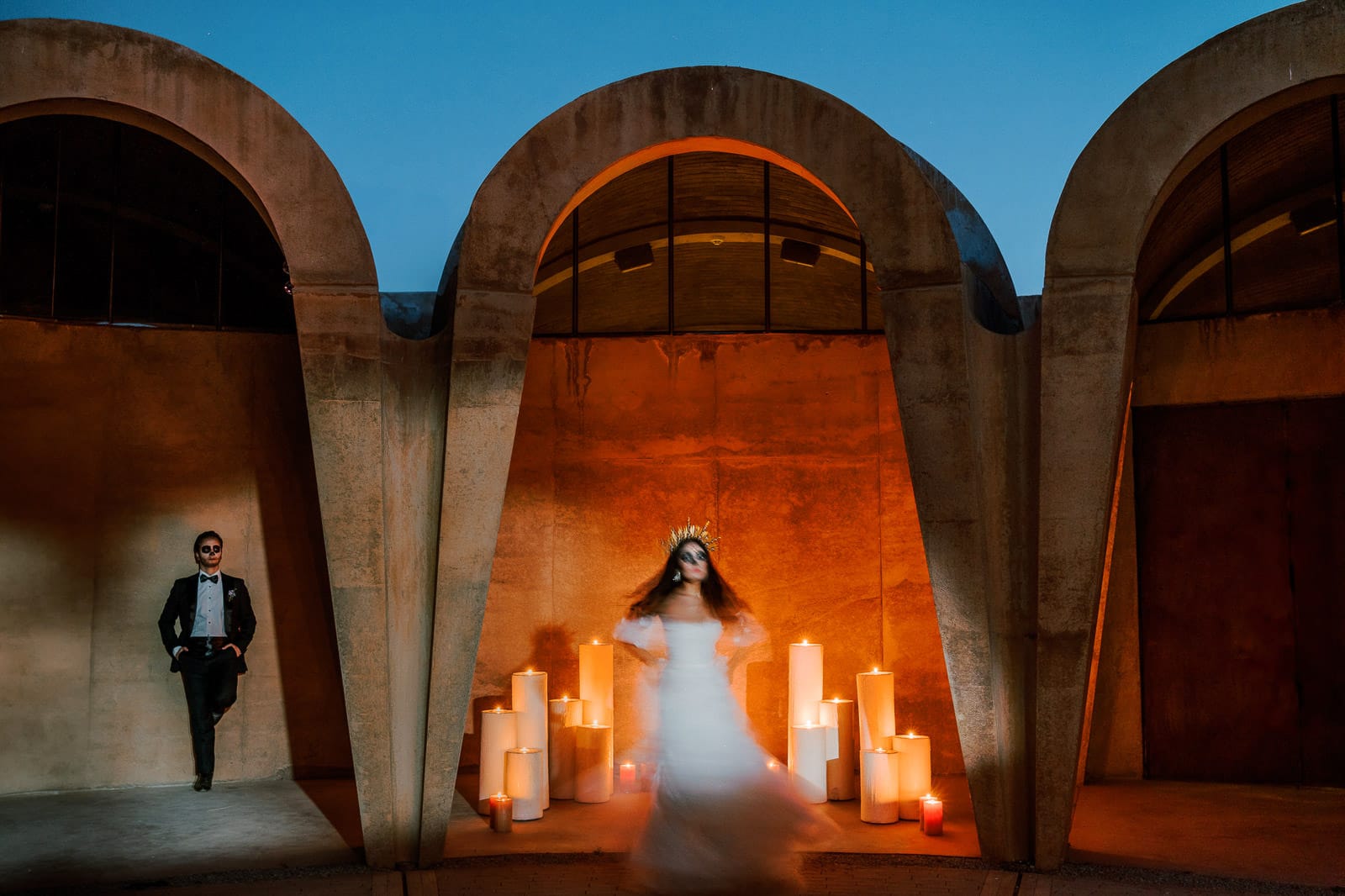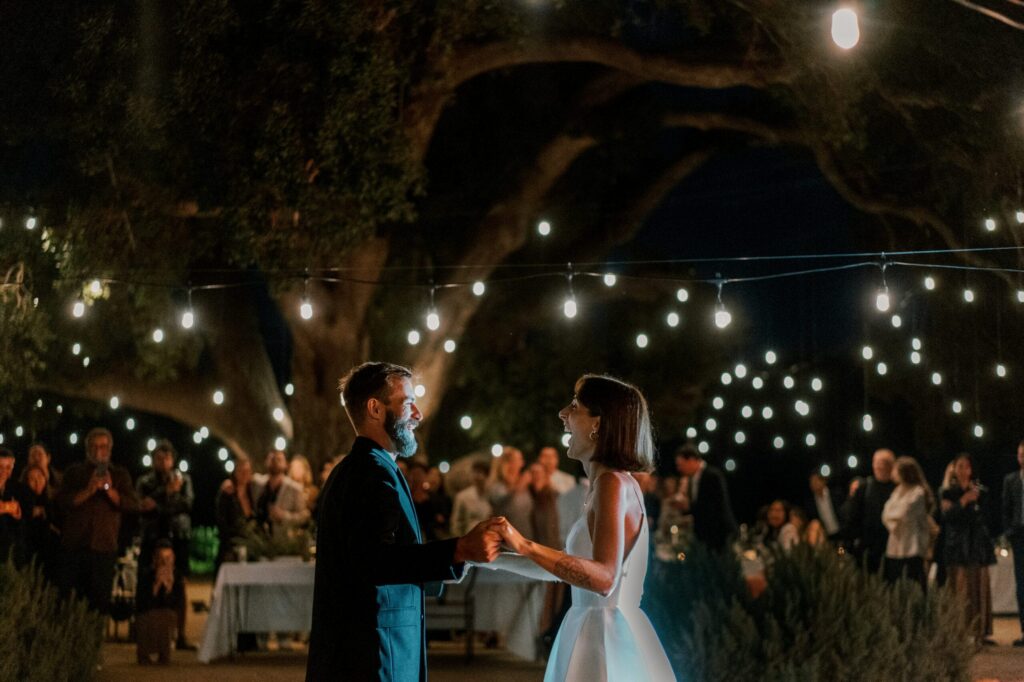
Bruma Casa 8 — a single-residence venue inside the BRUMA Wine Resort
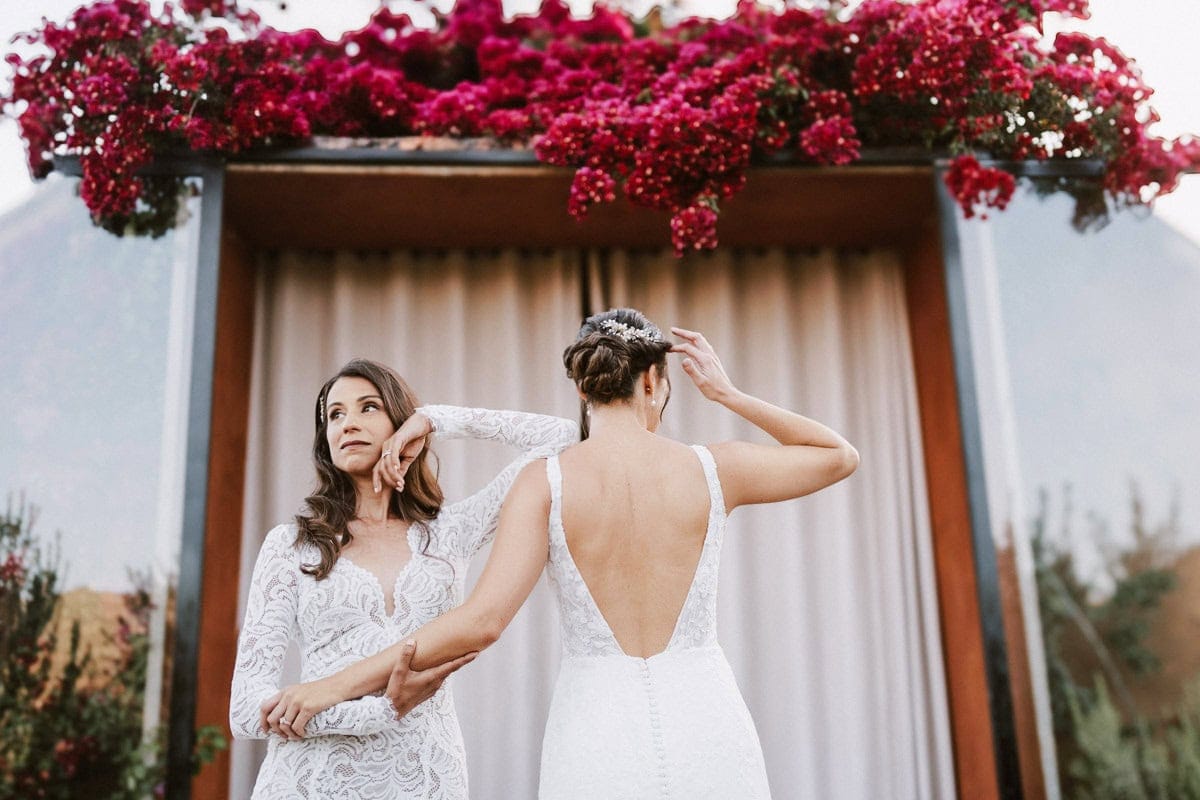
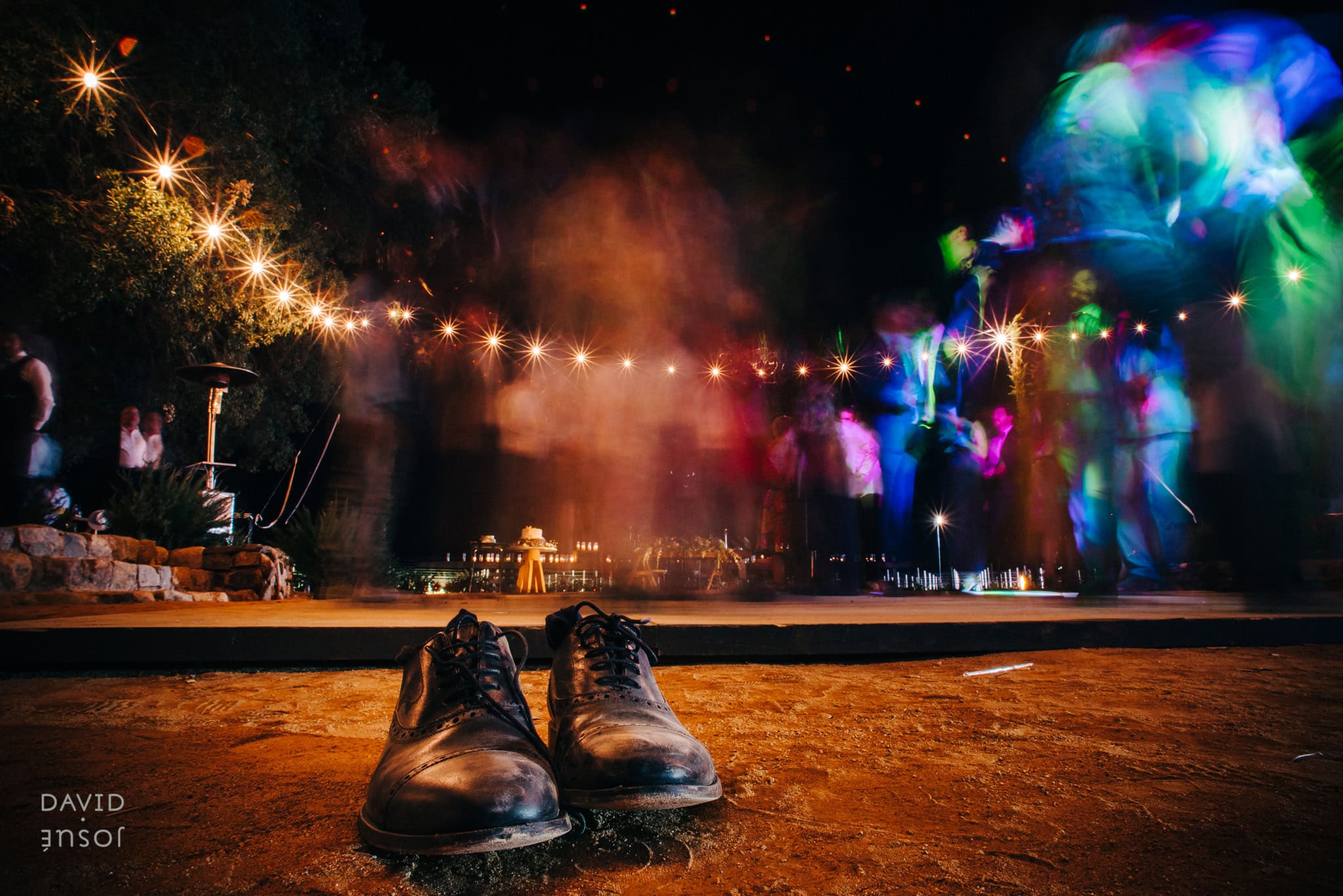
Casa 8 sits inside the BRUMA Wine Resort grounds in Valle de Guadalupe — a single-residence house designed for smaller, more contained celebrations. It’s a different proposition from the full BRUMA footprint that hosts larger weddings: same vineyard surroundings, same wine-country setting, but at a scale that lets a couple use the house itself as the day’s centerpiece.
Couples find me through searches like “bruma casa 8 wedding” or “bruma wine resort weddings” when they’ve already shortlisted the property and want a read from someone who works the place at the hours that matter. I’m not the planner. I don’t book the catering. What I can tell you is what Casa 8 gives a camera that the rest of BRUMA’s grounds don’t.
The orientation, briefly:
- Location. Inside BRUMA Wine Resort grounds, Valle de Guadalupe — the same vineyard estate as the larger BRUMA wedding venues.
- Scale. Single-residence house, designed for smaller, more contained weddings.
- What it gives the camera. A self-contained property where setup, ceremony, and reception can all happen within walking distance.
- Photographer’s note. The intimate scale means I stay close to the couple the whole day — no long property transits between locations.
What the architecture gives a camera
BRUMA’s architectural language is modern and low-profile — the buildings stay below the vineyard horizon line rather than competing with it. Casa 8 follows that language. For the camera, that translates into a few specific advantages over more elaborate properties:
- Clean rectilinear backdrops. The house’s lines are simple geometry — flat planes, exposed materials, restrained color. Behind a couple, those lines compose without distracting.
- Honest interior light. The surfaces and natural materials photograph close to neutral. Skin tones come back without needing color correction in post.
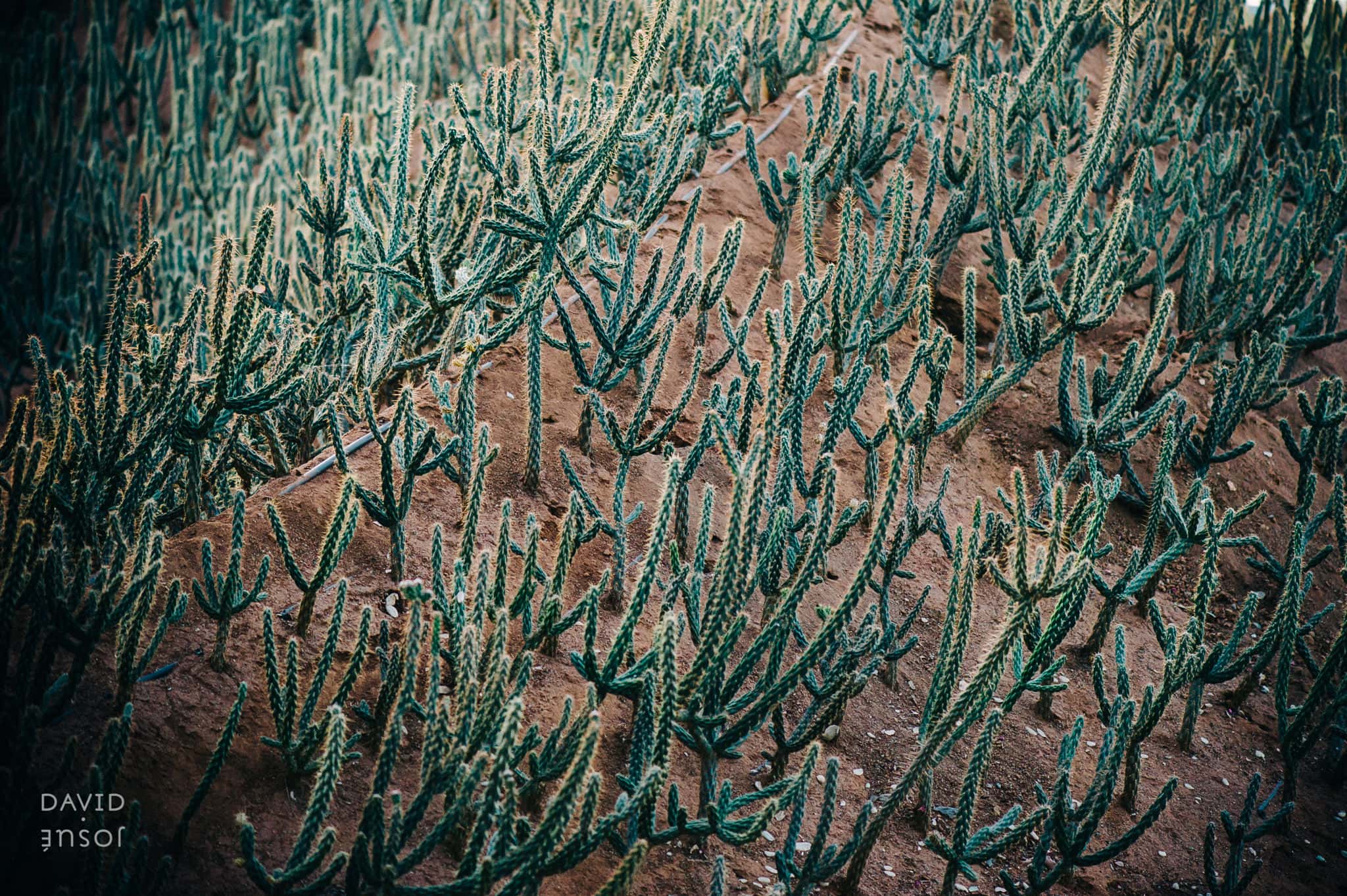
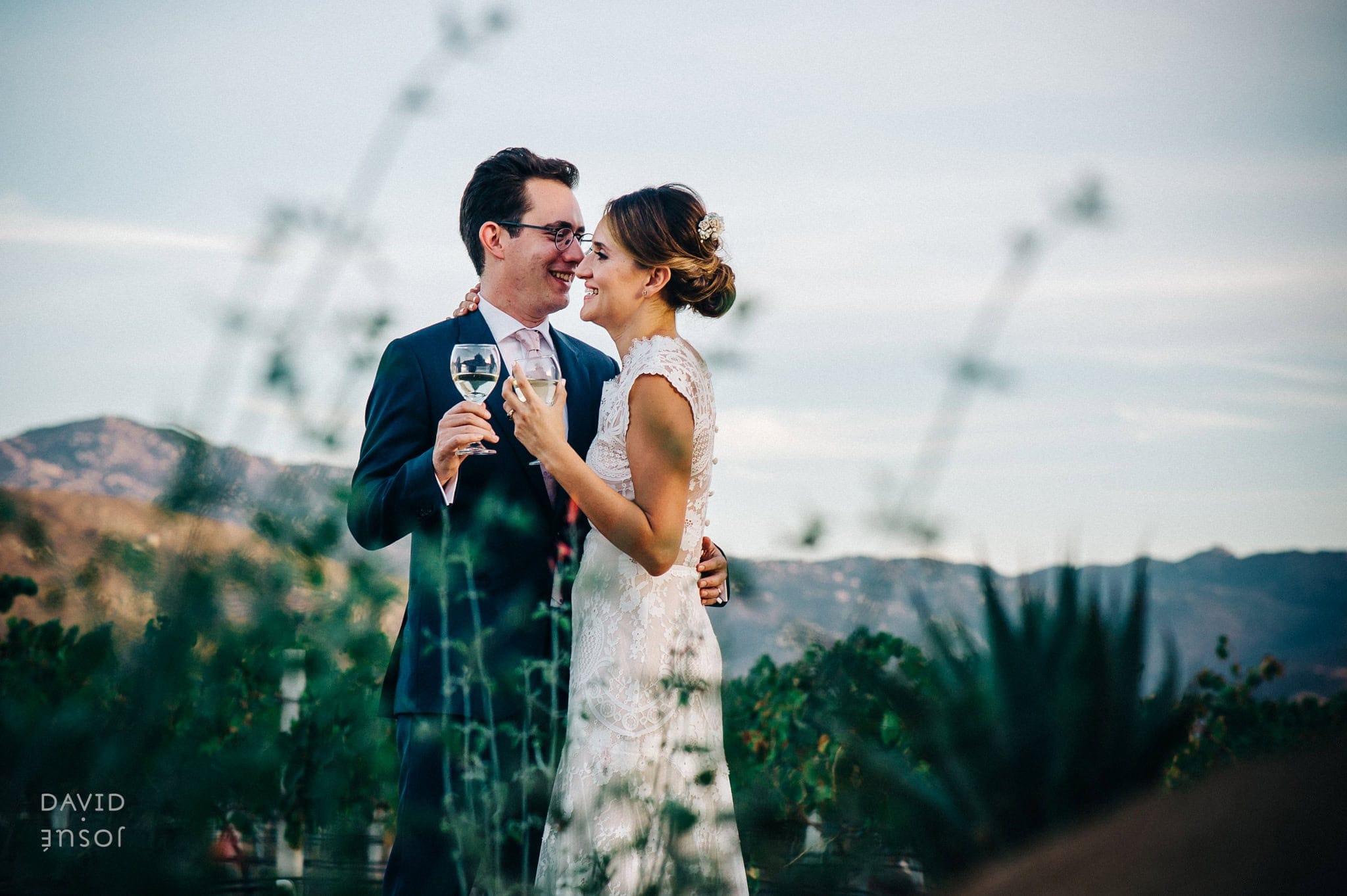
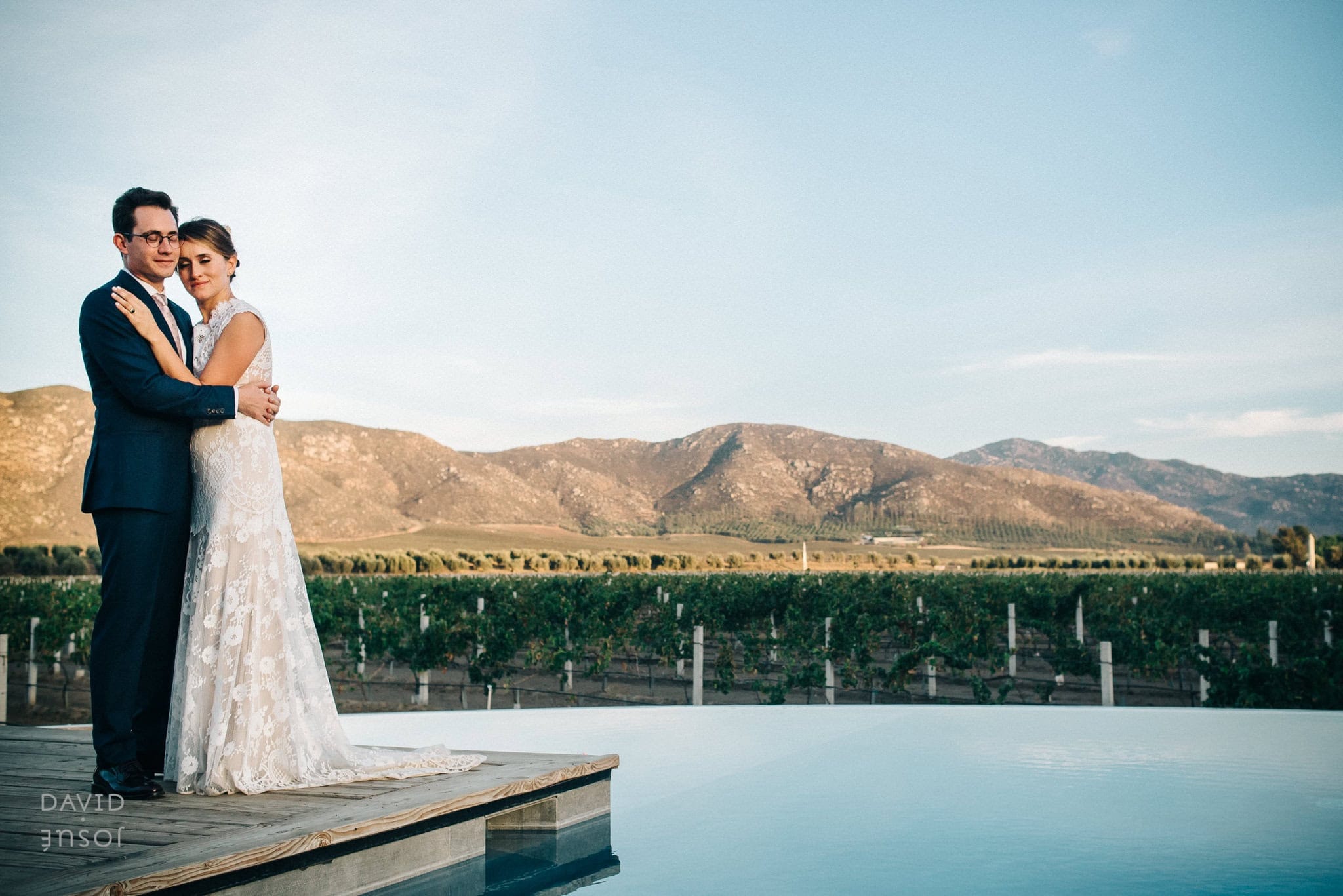
- Vineyard geometry at the perimeter. The surrounding rows give the photographer receding lines for couple portraits during the final hour of light.
- Compact footprint. I can move from the getting-ready room to the ceremony space to the dinner table in minutes. The couple isn’t waiting on me to relocate; I’m waiting on the moment.
A bruma casa 8 wedding photographs differently from BRUMA’s larger spaces because the camera never has to choose between covering the property and covering the couple. It does both at the same time.
Where a Bruma Casa 8 wedding photographs across the day
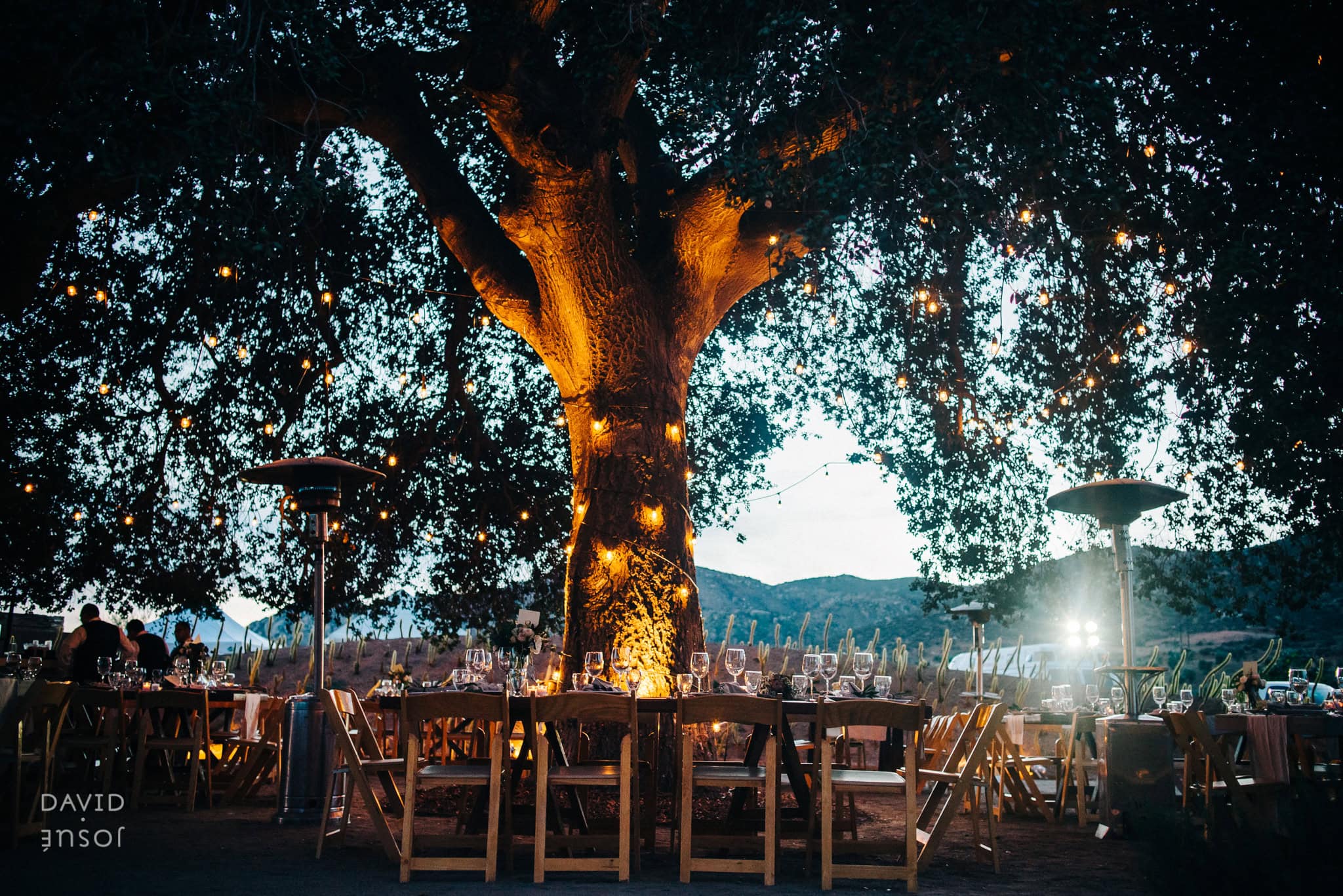
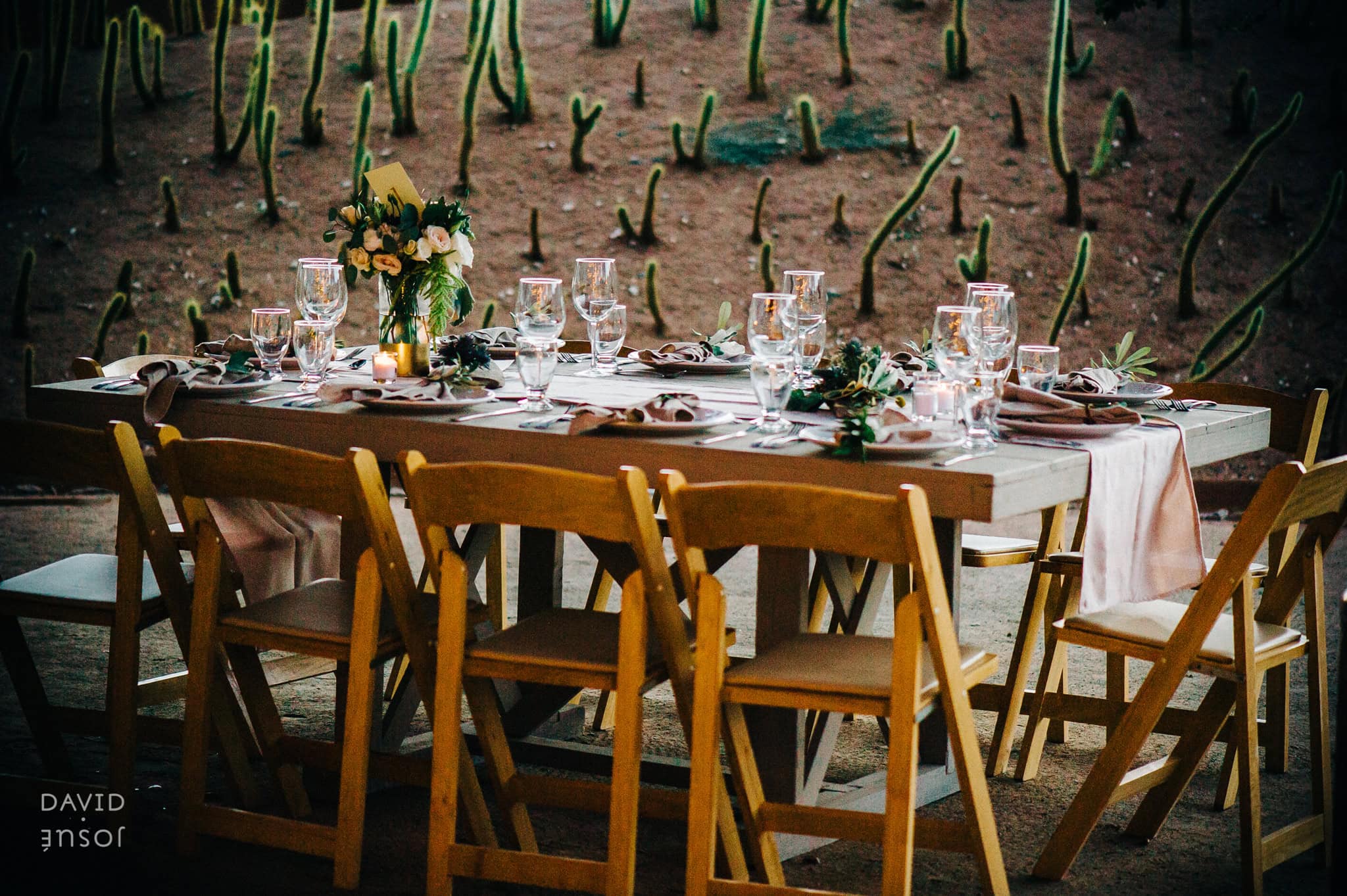
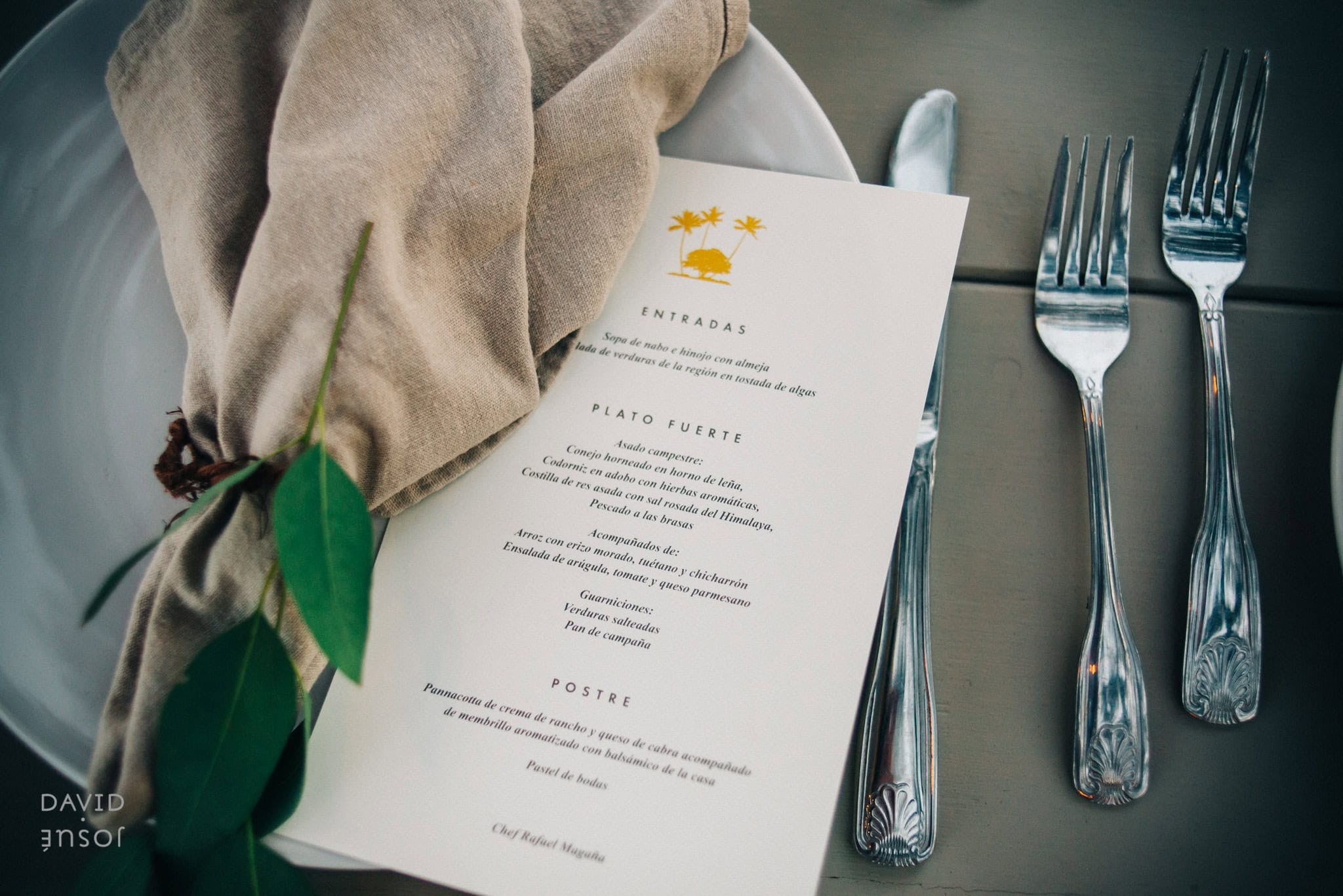
A bruma casa 8 wedding uses a small set of zones, and that’s the property’s strength. The day stays close, and the camera follows the couple instead of relocating.
The zones, in the rough order across the day:
- Getting-ready inside the house. Morning light through the residence’s windows is soft and indirect — good for portraits of the couple, their parents, the room.
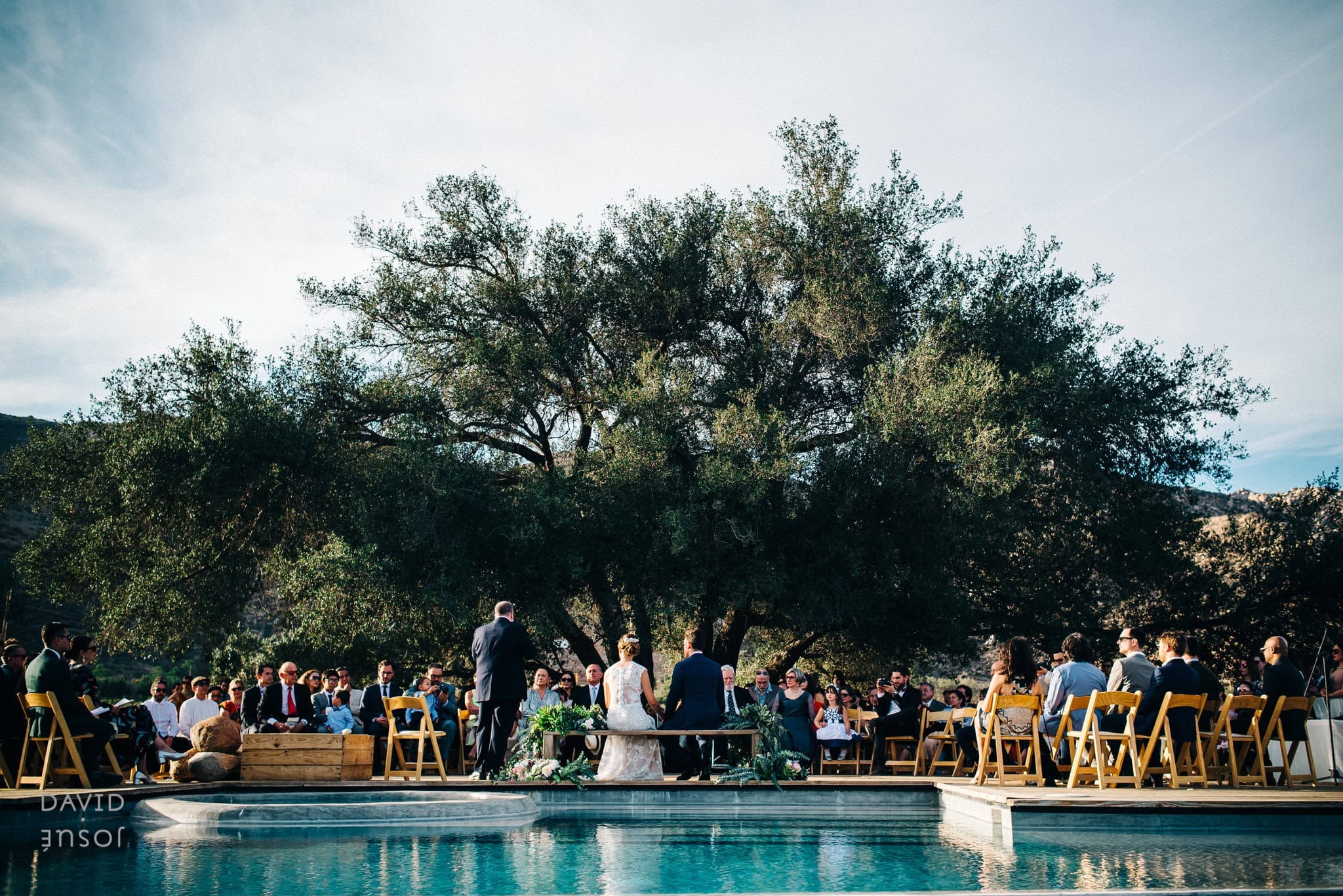
- The grounds for the ceremony. Vineyard surroundings give a clean backdrop. The intimate guest count means the ceremony stays visually contained — no audience tightening behind the couple in the frame.
- Vineyard edges for couple portraits. During the final golden hour. The row geometry pulls the eye toward the couple instead of competing with them.
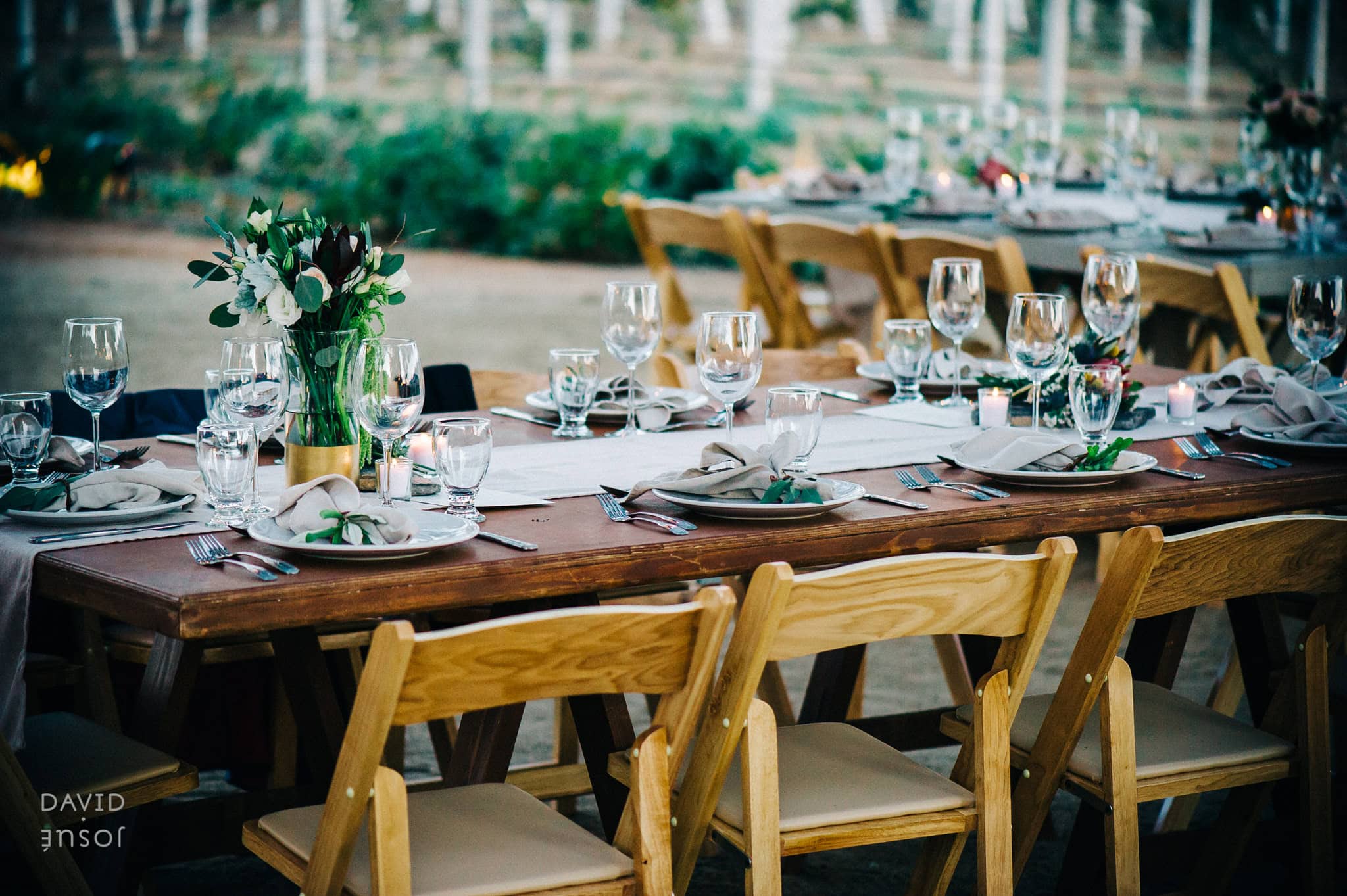
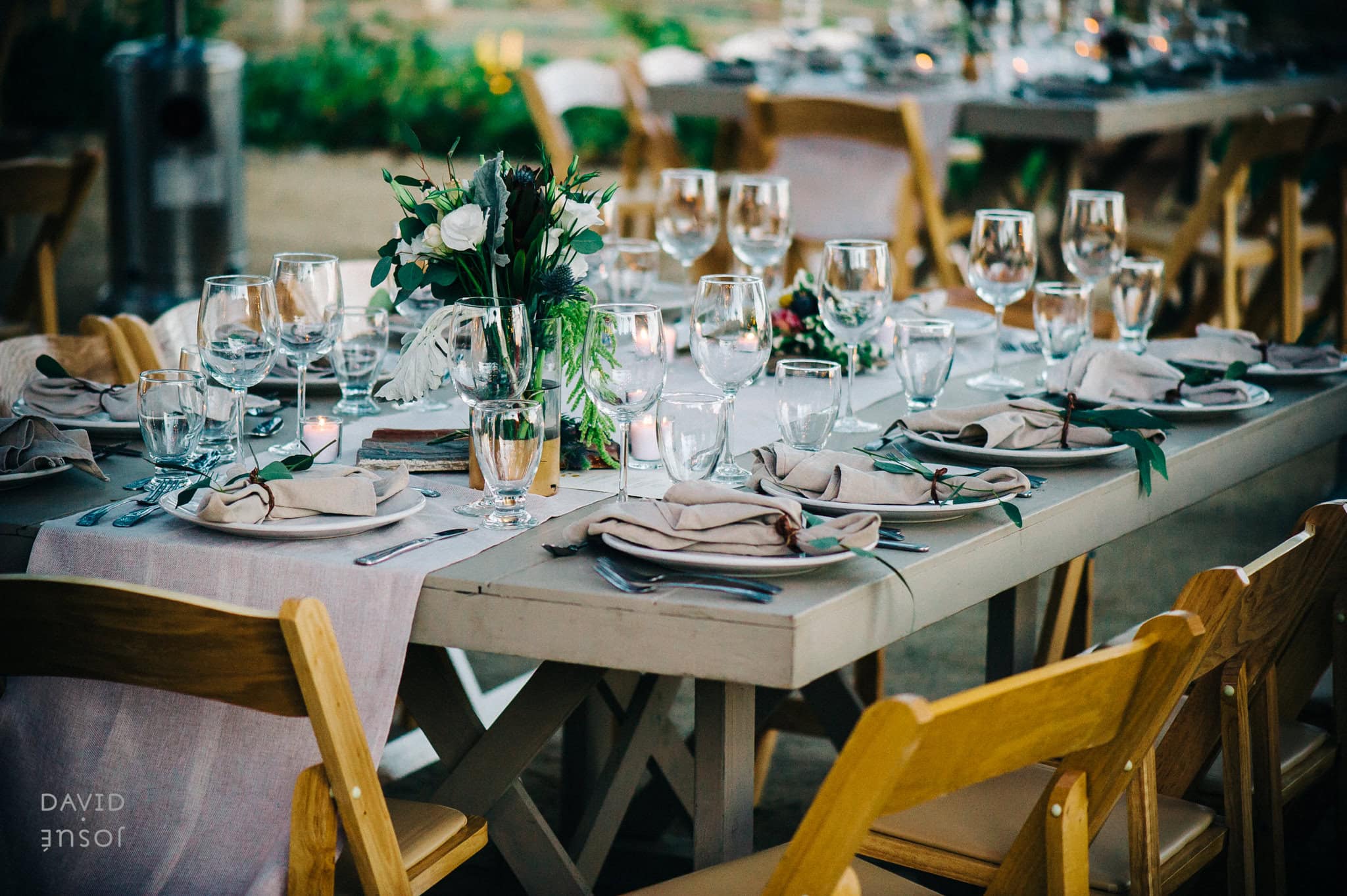
- Interior dining space for the dinner frame. Verify the exact dinner-room layout against the venue. Photographs honestly under warm interior lighting without the camera having to fight color correction.
The property’s intimate scale is the through-line: the camera doesn’t have to pick between covering the venue and covering the couple. There’s room for both.
How David Josué works at Casa 8
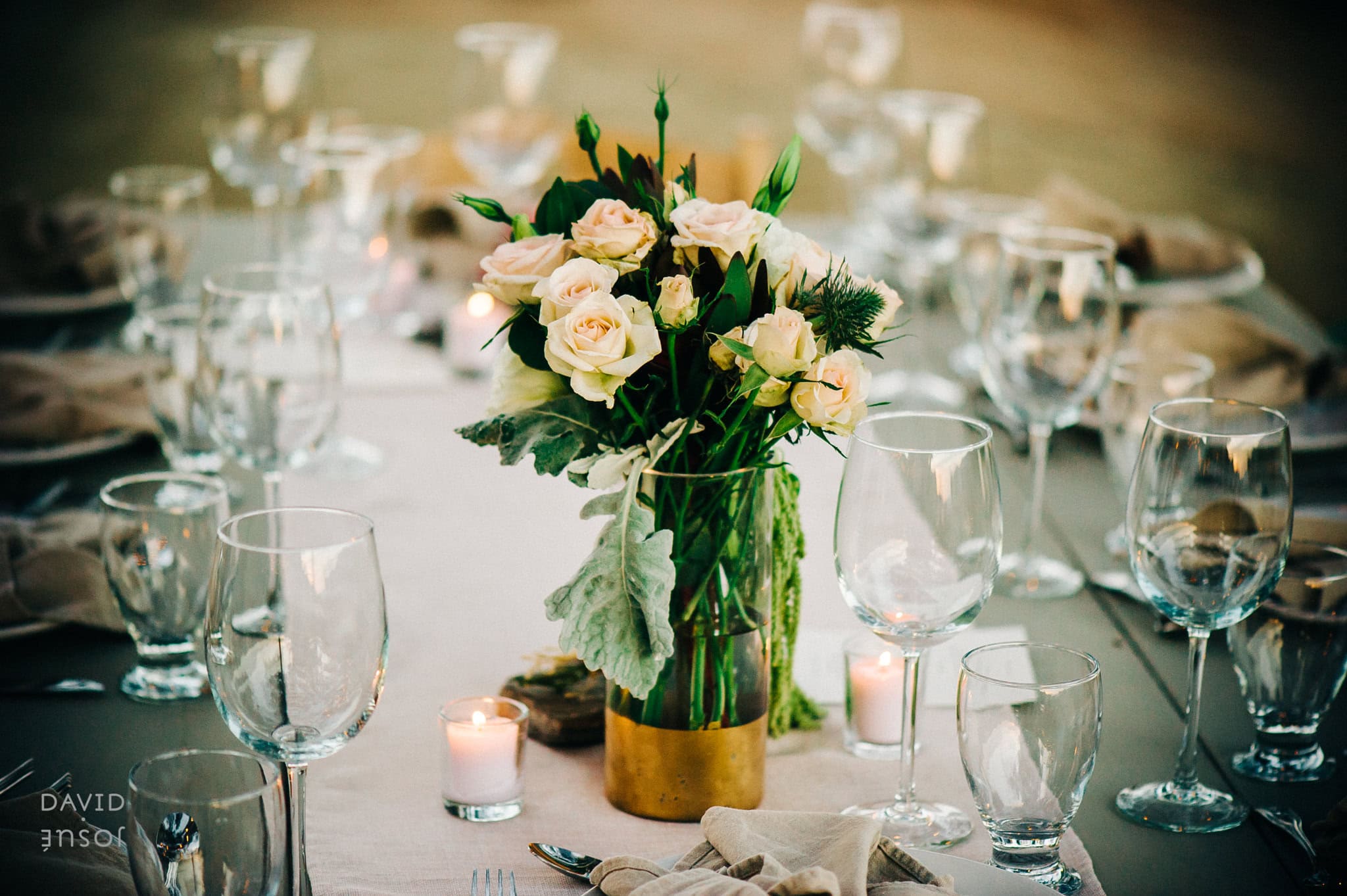
Small-property weddings let me work the way I prefer to work: quiet, present, mostly invisible.
The first thing I do at any Casa 8 wedding — actually, at any wedding — is nothing visible. I walk the property before the day with no camera in my hand. I’m reading where the light will fall, where the wind picks up, which corner catches the last of the sun.
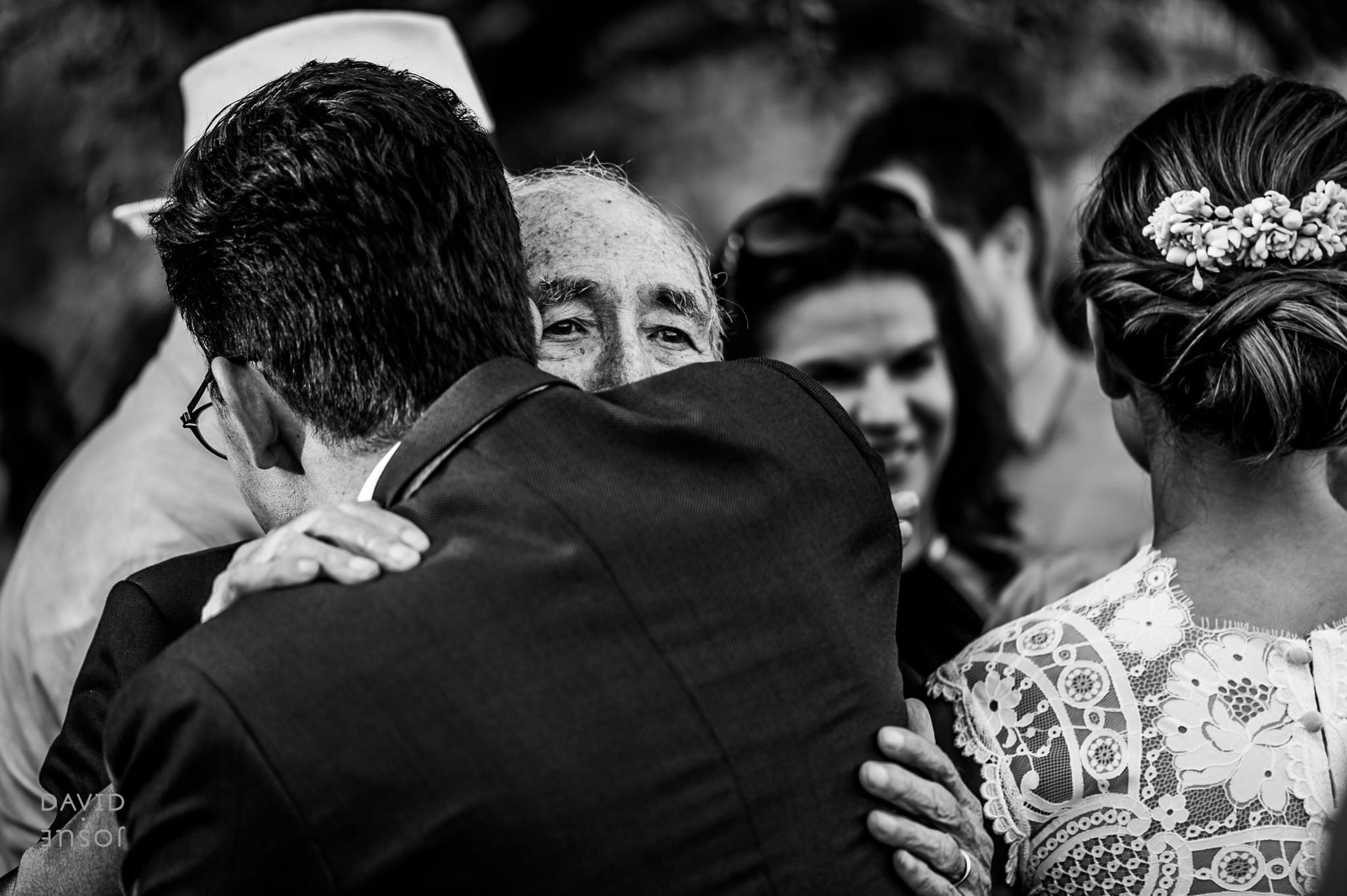
By the time I have a camera out, the choreography is already decided. Not yours — mine. You don’t get a shot list. You don’t pose. You don’t perform for the camera. Most people have spent their adult lives being told to look a certain way for photos, and the body locks the moment a lens points at it. My job is to undo that lock before the first frame.
The practical shape of how I work:
- Calm direction. No shot list, no choreography, no performing for the camera.
- Quiet preparation. I read the property’s light and architecture before the day, not improvise on it.
- 25+ years. Photographing weddings in Mexico, Europe, and several other countries.
- Documental, Signature, and Bespoke collections. Pricing on request, sized to the day you actually want.
A bruma casa 8 wedding gives me what I want most from a venue: a self-contained property where I can be present without disrupting anything.
Five years from now
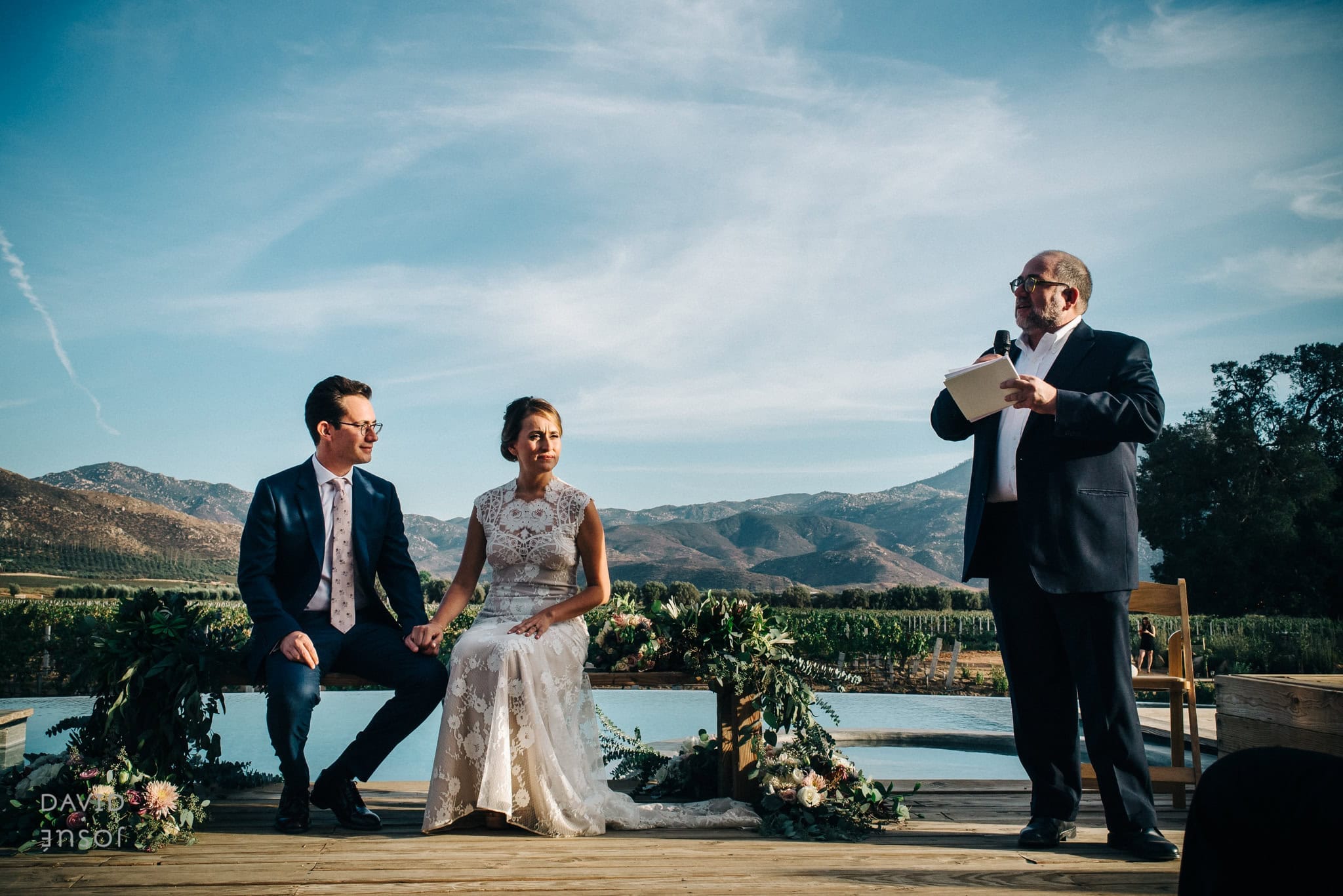
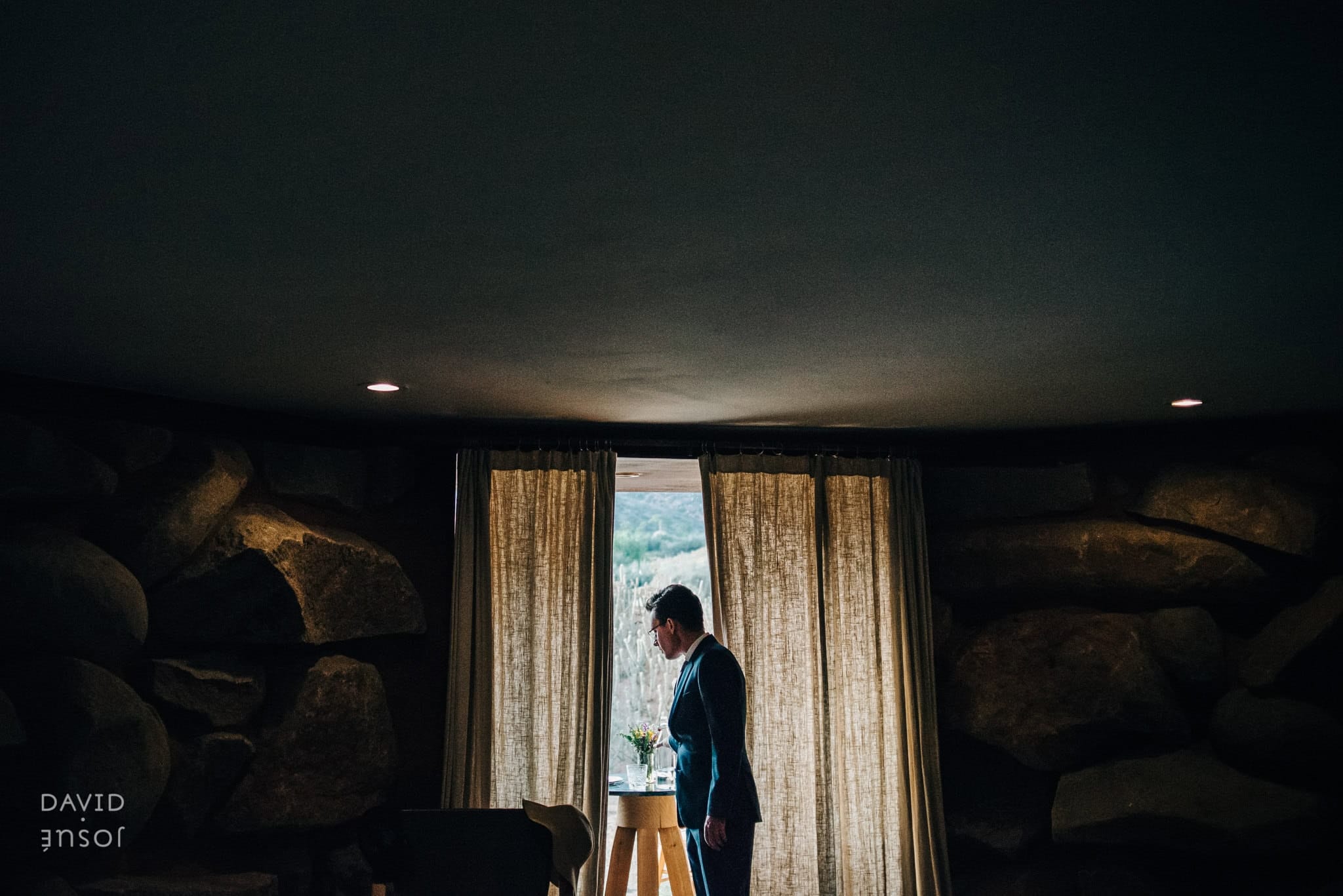
Five years from now, you open a folder. Maybe it’s the anniversary morning. Maybe it’s a random Tuesday and you needed something to hold onto.
The folder works or it doesn’t.
If it works, your partner appears the way they actually looked when they turned to see you walk out of the house. The morning light through the residence comes back. The vineyard at dusk comes back. You’re not looking at pretty pictures of a wedding. You’re standing in the room again.
The archive doesn’t just keep the day. It returns it.
If it doesn’t work, the folder is a stranger’s wedding. The pictures are technically fine. They’re nicely lit. But the day doesn’t come back. The archive went pretty instead of present.
That’s the difference a bruma casa 8 wedding makes — a property whose architecture and scale hold the camera honest. Where the day stays close, the couple stays the subject, and the photographer stays out of the way.