Preparing for a boudoir session — what shapes the photograph
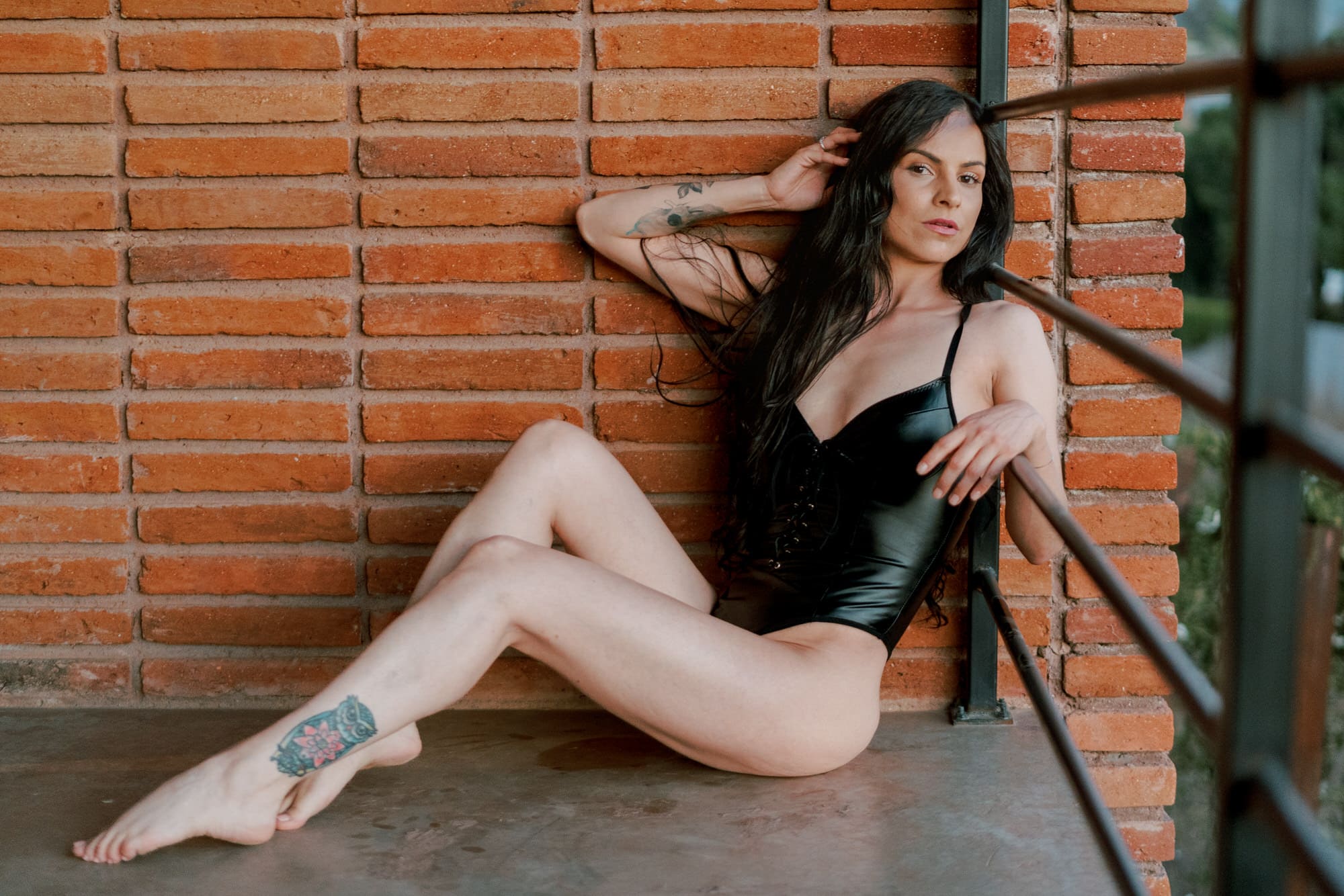
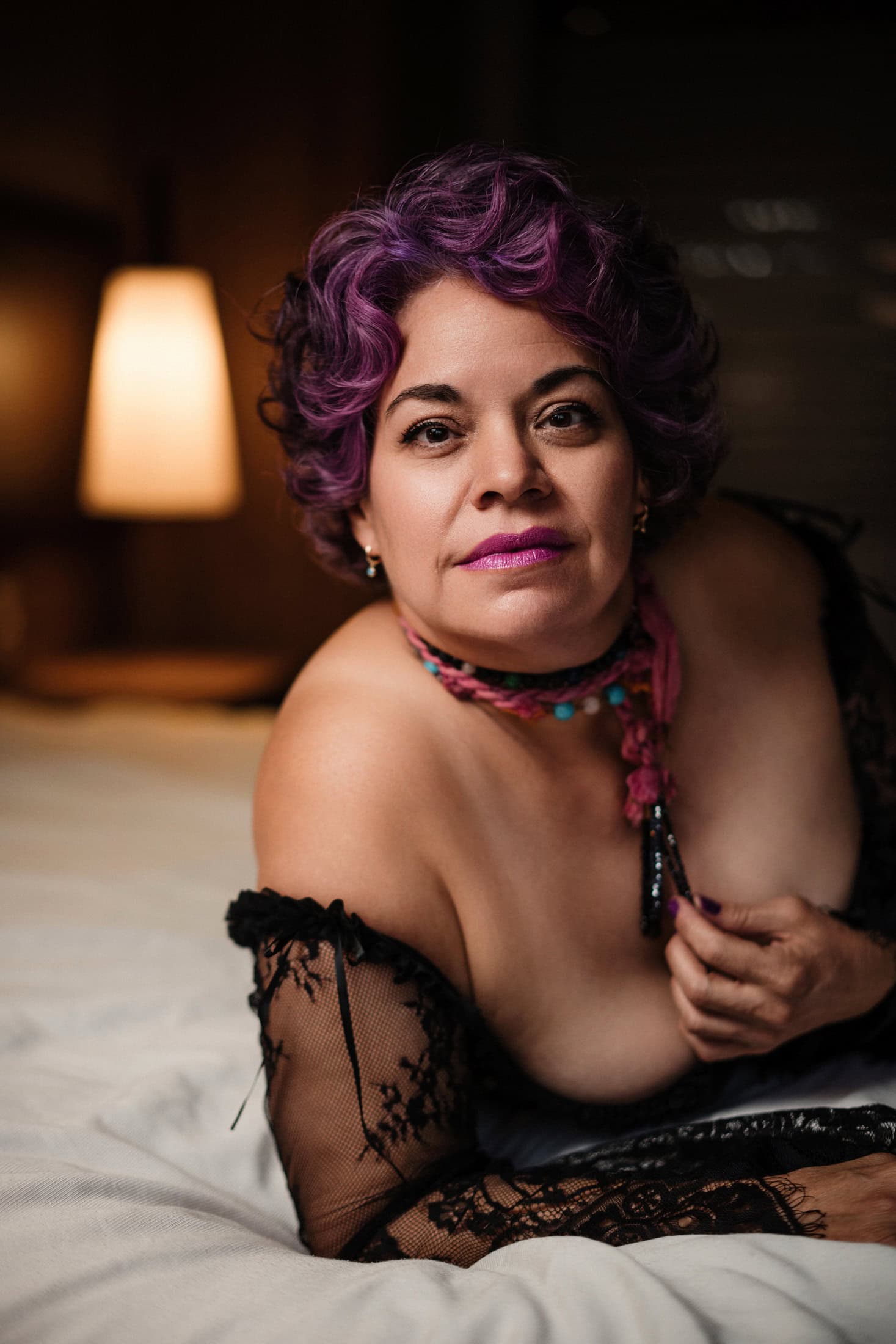
Preparation for a boudoir session is about the room and the body’s rest, not about styling for the camera. Couples find this article through searches like “boudoir” when planning a session and wanting to know what actually helps the photograph rather than what looks performative or rehearsed.
This isn’t a Pinterest checklist. I’m not going to tell you to buy ten lingerie options or to practice poses in the mirror the night before. What I can tell you, as a photographer who has worked across portraits, weddings, and intimate sessions for 25+ years, is what the body and the room need before the shoot starts, and what to skip entirely.
The orientation, briefly:
- Body. Rest, hydration, no marks from tight elastic the night before.
- Room. One large window, minimal visual clutter, neutral tones.
- Wardrobe. Three simple options total, not ten. Solid tones beat busy patterns.
- Photographer’s read. Preparation removes friction. It does NOT add performance, rehearsal, or styling layers the camera does not want.
What to think about before a boudoir shoot — practical preparation
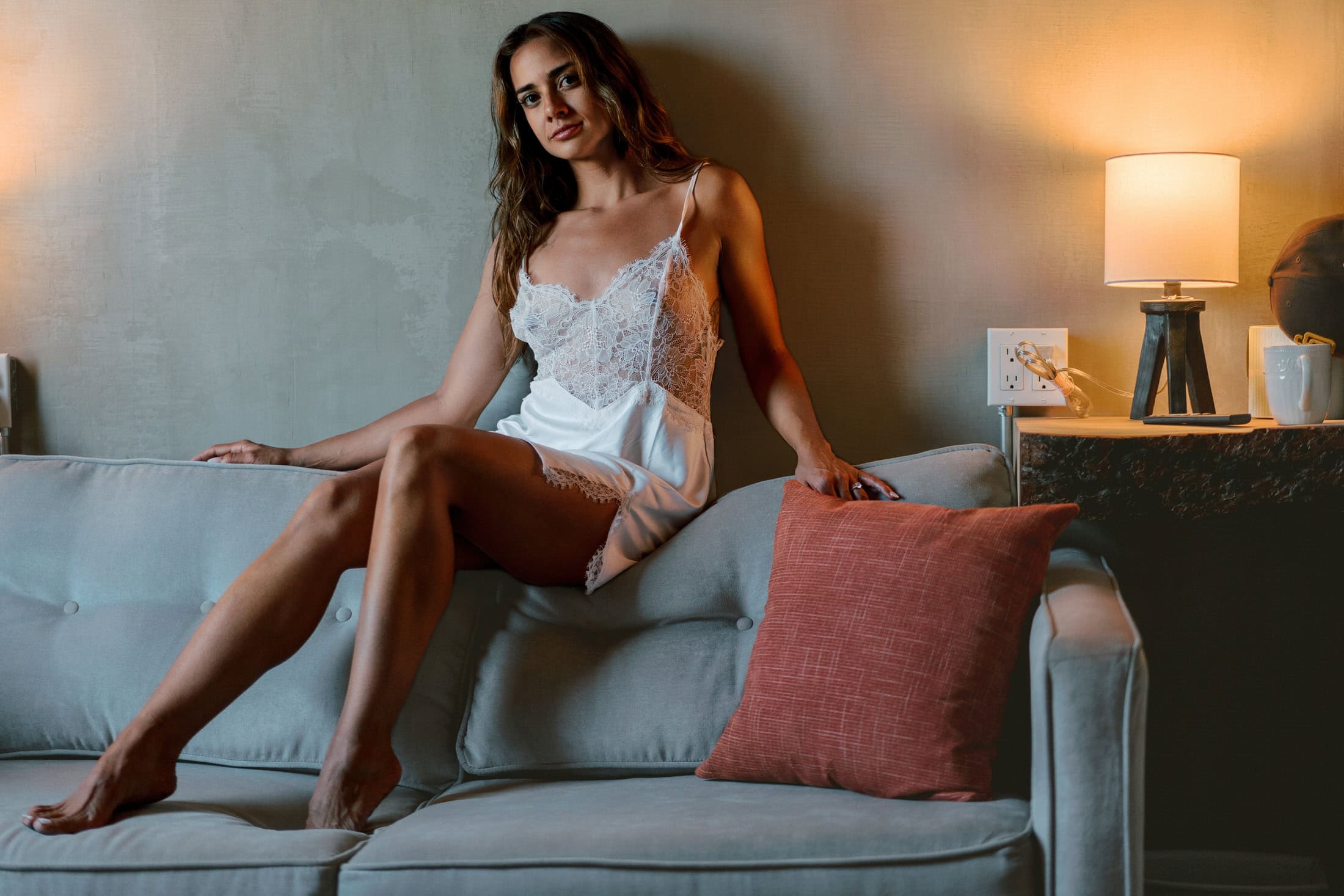
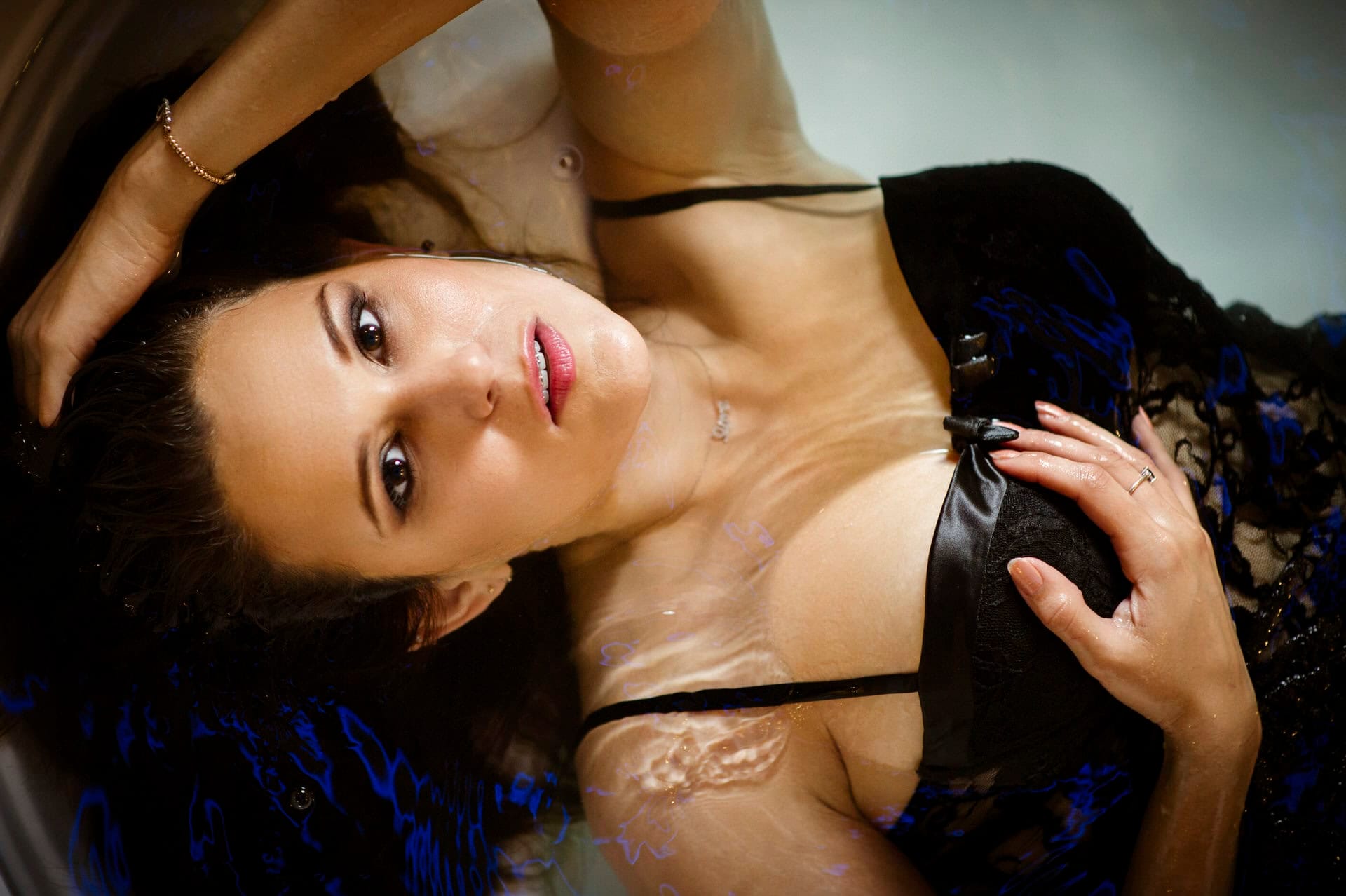
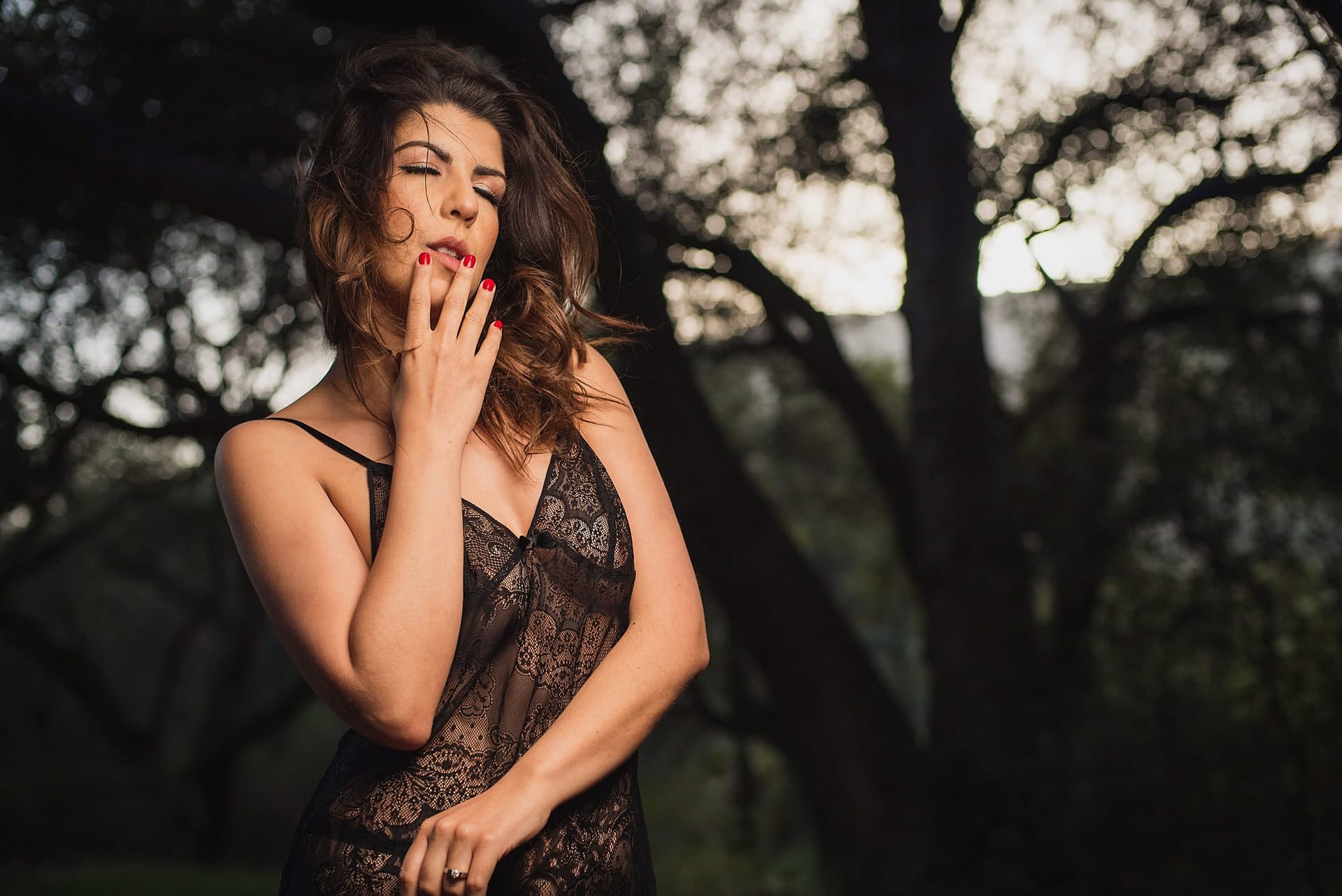
Useful preparation for a boudoir session leans on four practical decisions made before the day. None of them are about posing or rehearsal. All of them are about giving the camera a clean read on the body in its quietest state.
The practical version, in rough order:
- Schedule the working light hour. Early morning or late afternoon. Hard noon light flattens the body’s line and adds harsh shadows the camera cannot soften in post.
- Wardrobe — three options total. Simple solid tones, lingerie, a partner’s shirt, a robe. Three options reads cleaner than ten; the camera rewards restraint, not variety.
- Hydration and rest the day before. The camera reads skin tone, not foundation. A rested body photographs warmer and more present than a tired one with heavy makeup.
- The room. Pick a space with one large window and minimal visual clutter. The home you live in usually reads truer than a styled set.
The practical version: preparation for a boudoir shoot is subtractive. Remove what the camera does not need, and the photograph emerges from what remains.
What to skip — what does not help the photograph
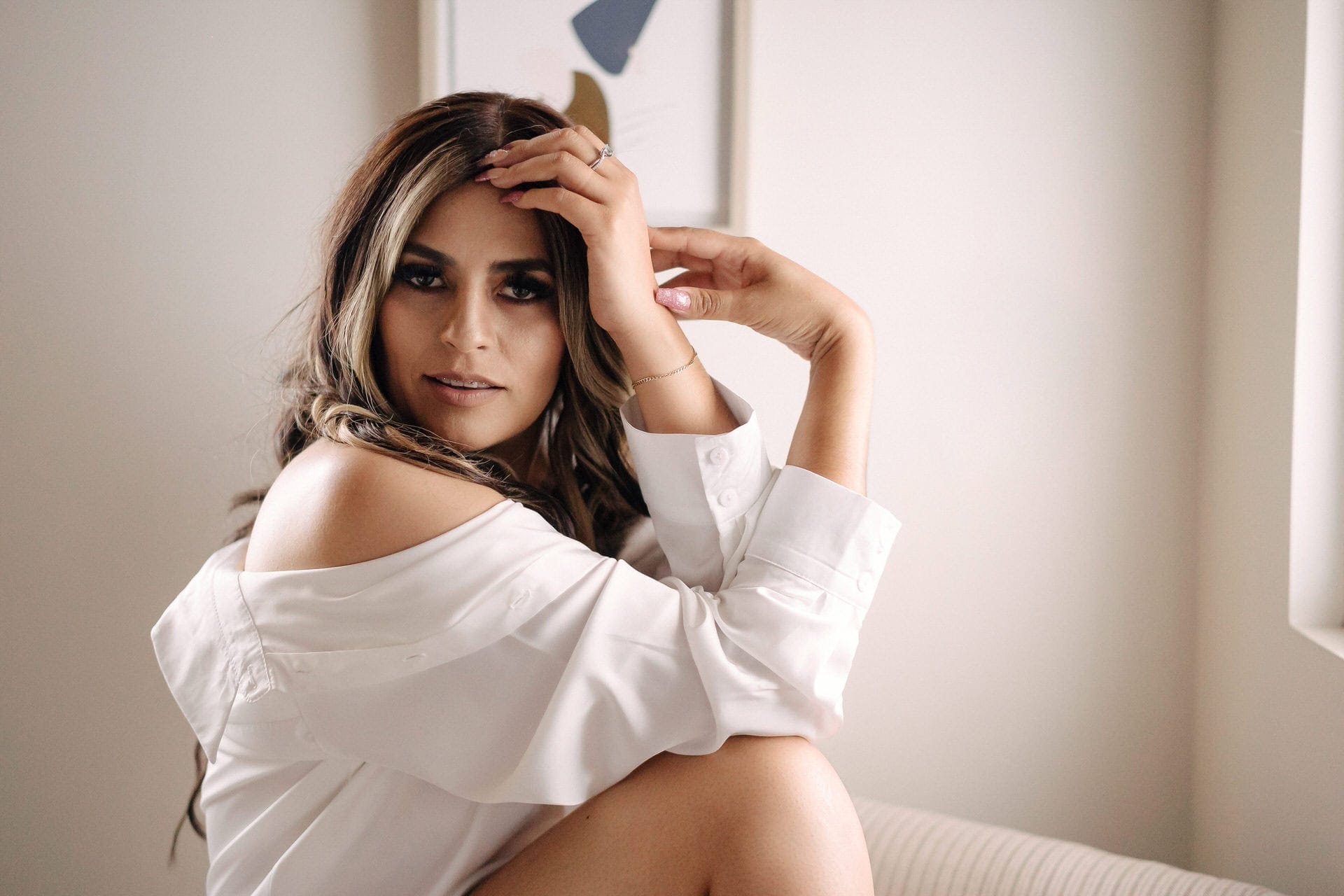
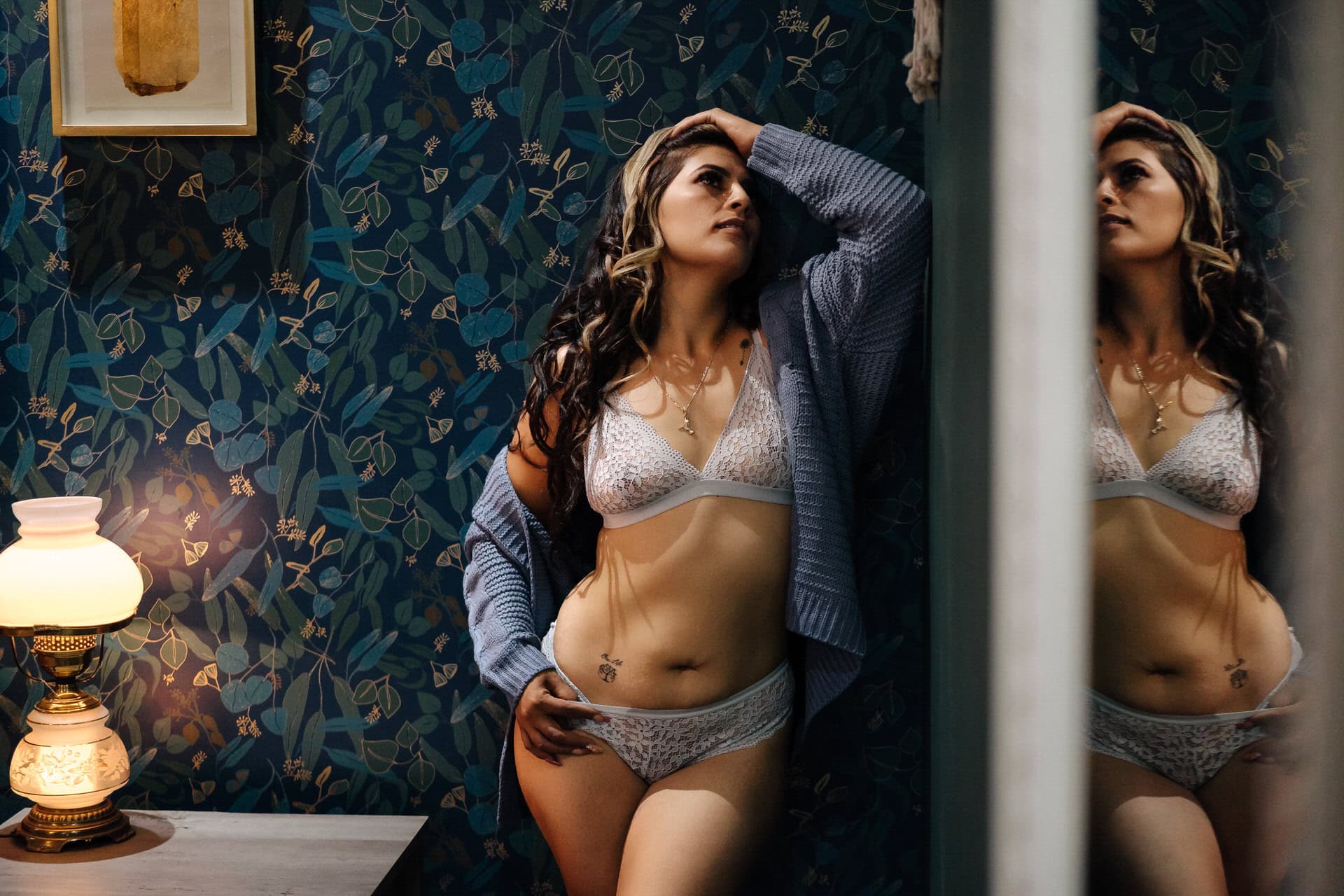
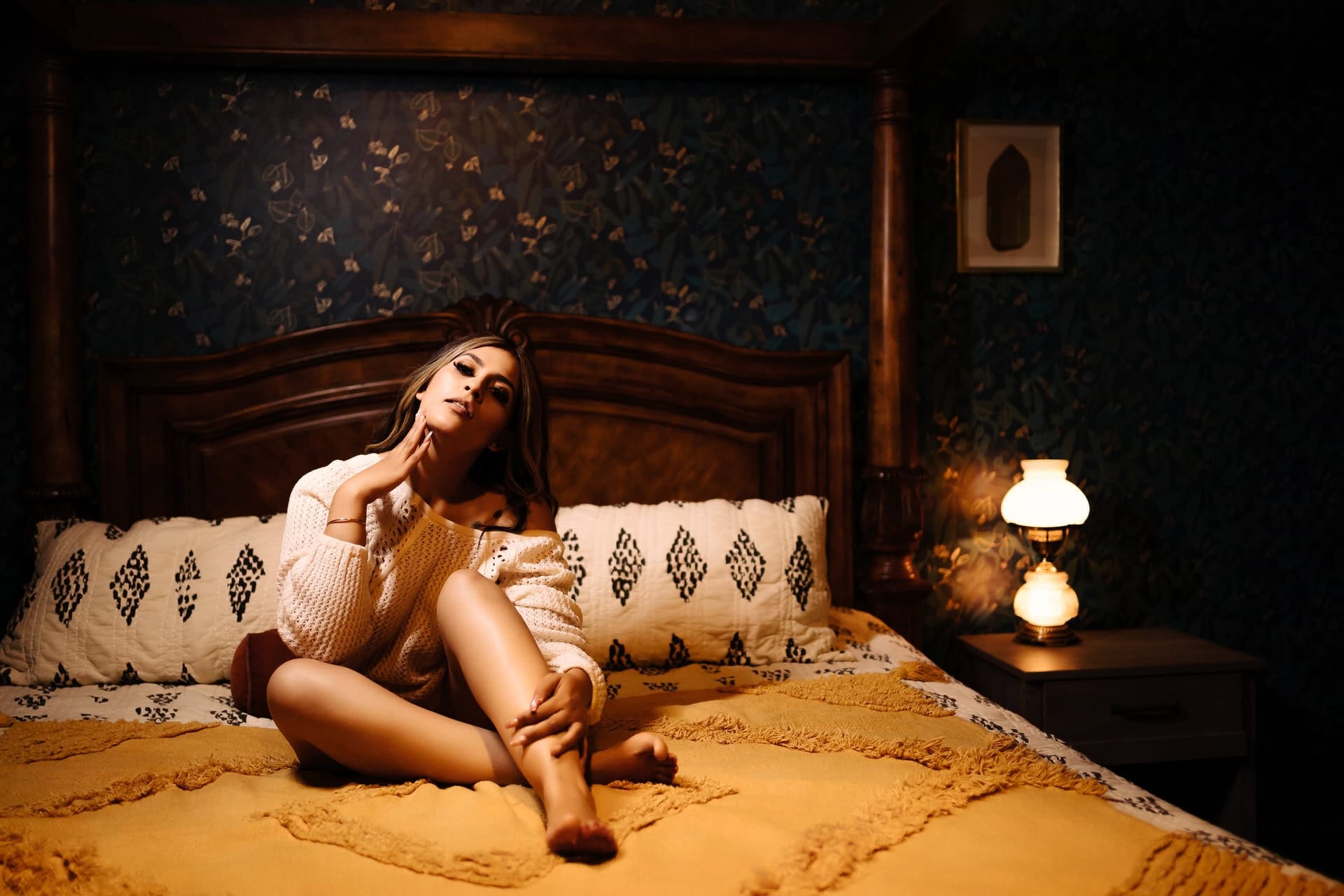
Some preparation rituals popular online actively hurt the photograph. They feel productive but the camera reads them as friction rather than as care. Worth knowing before the session.
The through-line, in plain terms:
- Heavy makeup. The camera reads skin tone, not a contoured face. Light, breathable makeup photographs warmer than a full coverage layer that catches every light source.
- Tight elastic clothing the night before. Marks from waistbands, bra straps, or socks stay visible for hours. The camera sees them clearly in the working light.
- Rehearsed poses from Pinterest. The body locks when it tries to perform a saved reference. Gesture beats pose; preparation should not include pose practice.
- Self-tanner applied the day before. The camera reads it as orange, not warmth. If self-tanner is part of the routine, apply it a couple of days in advance so the tone settles.
The practical version: friction is the enemy of a quiet boudoir photograph. Anything that adds tension to the body or the skin makes the camera’s job harder.
How David Josué runs the prep conversation
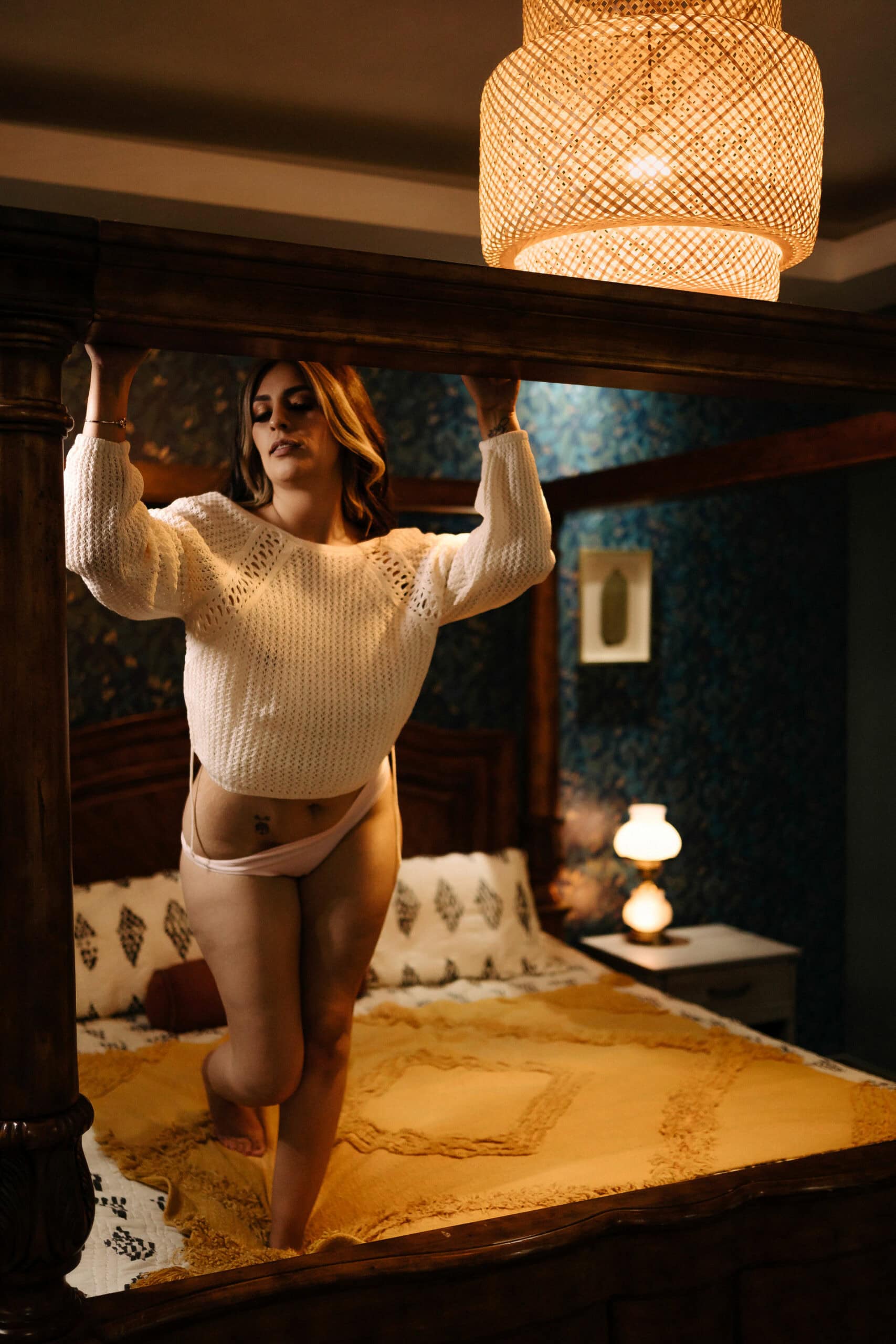
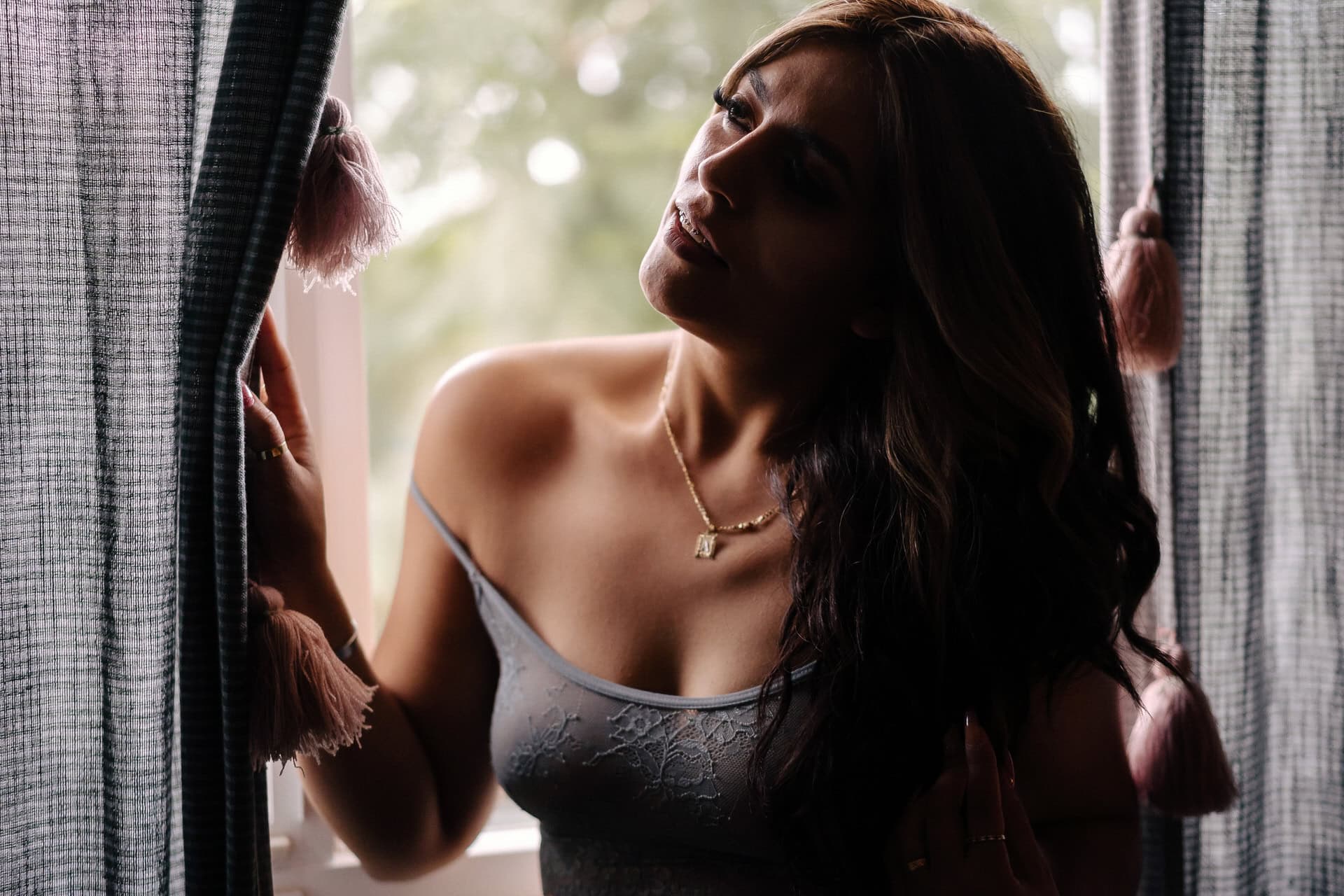
Preparation for a boudoir session in my practice is a short conversation, not a manual. The body is comfortable. The camera is quiet. The session breathes.
Before any shoot, I send a short prep note — maybe ten lines. Working light hour. Three wardrobe options. Hydration and rest. Skip the rehearsed poses. That’s it.
By the time I have a camera out, the choreography is already decided. Not yours — mine. You don’t get a shot list. You don’t pose. You don’t perform for the camera. Most people have spent their adult lives being told to look a certain way for photos, and the body locks the moment a lens points at it. My job is to undo that lock before I make a single frame.
The practical shape of how I work:
- Calm direction. No shot list, no rehearsal, no performing for the camera.
- Short prep note. Ten lines, not a manual.
- 25+ years. Photographing weddings in Mexico, Europe, and several other countries — same instinct applies to portraits.
- Documental, Signature, and Bespoke collections. Pricing on request, sized to the session you actually want.
A boudoir session rewards a photographer who runs preparation light, not heavy.
Five years from now
Five years from now, you open a folder. Maybe it’s the anniversary morning. Maybe it’s a random Tuesday and you needed something to hold onto.
The folder works or it doesn’t.
If it works, the morning returns to you — the quiet light across the room, your own hand resting where the photograph rests, the room you almost forgot. You’re not looking at pretty pictures of a body. You’re standing in the quiet morning again, the air still carrying the room’s hush.
The archive returns the moment. Not just pictures of it.
If it doesn’t work, the folder is a stranger’s session. The pictures are technically fine. They’re nicely lit. But the morning doesn’t return.
A well-prepared boudoir session gives a photographer skin, fabric, and a room’s natural light, with no friction in the way. What the archive keeps depends on how clean that preparation was.