Boudoir — what shapes the photograph
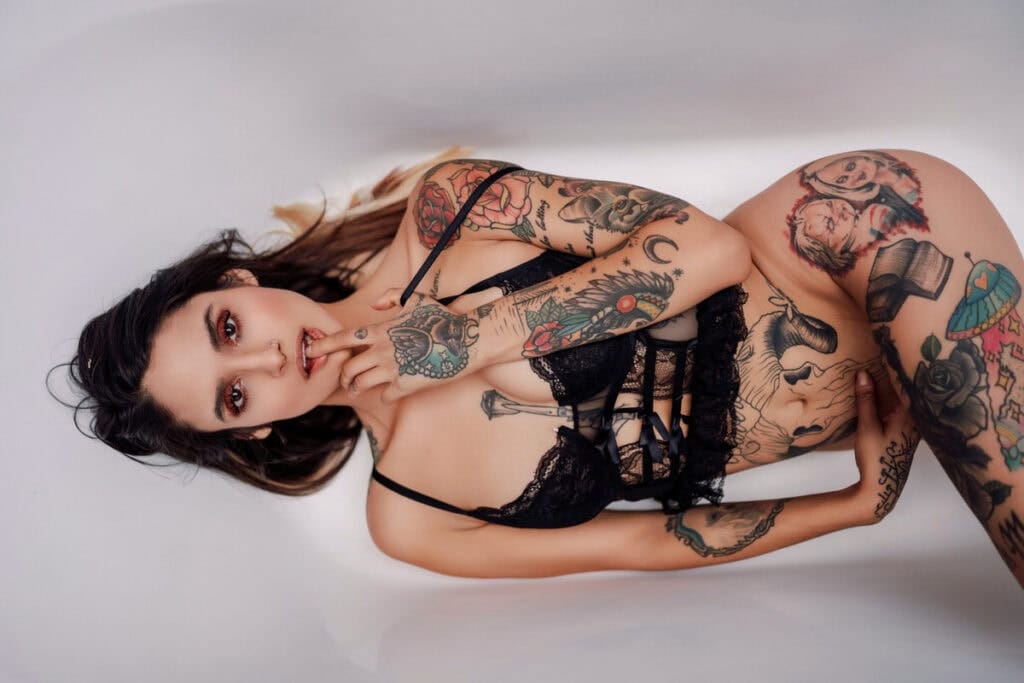
Boudoir is intimate portraiture in a controlled environment, lit for skin and gesture. Couples find this article through searches like “boudoir” when planning a session that documents quiet confidence rather than a styled performance.
This isn’t a how-to-pose guide. I’m not going to teach you to angle your hip. What I can tell you, as a photographer who has worked across portraits, weddings, and intimate sessions for 25+ years, is what the genre actually delivers in the archive and how the room’s light shapes the photograph more than any pose.
The orientation, briefly:
- Subject. The body at rest — quiet confidence, gesture, presence. Not a performance for the camera.
- Light. Natural window light. The camera works the room’s existing tonal range, not theatrical lighting.
- Environment. A quiet room — bed, window, mirror, doorway. Backgrounds stay simple.
- Photographer’s read. Same instinct I bring to a wedding — quiet, calm, no performing for the camera.
What a boudoir session actually delivers in the archive

A boudoir session that reads as fine art rather than as a styled magazine spread leans on four photographic moves. Each is grounded in the room’s light, the body’s gesture, and the photographer’s restraint.
The through-line, in plain terms:
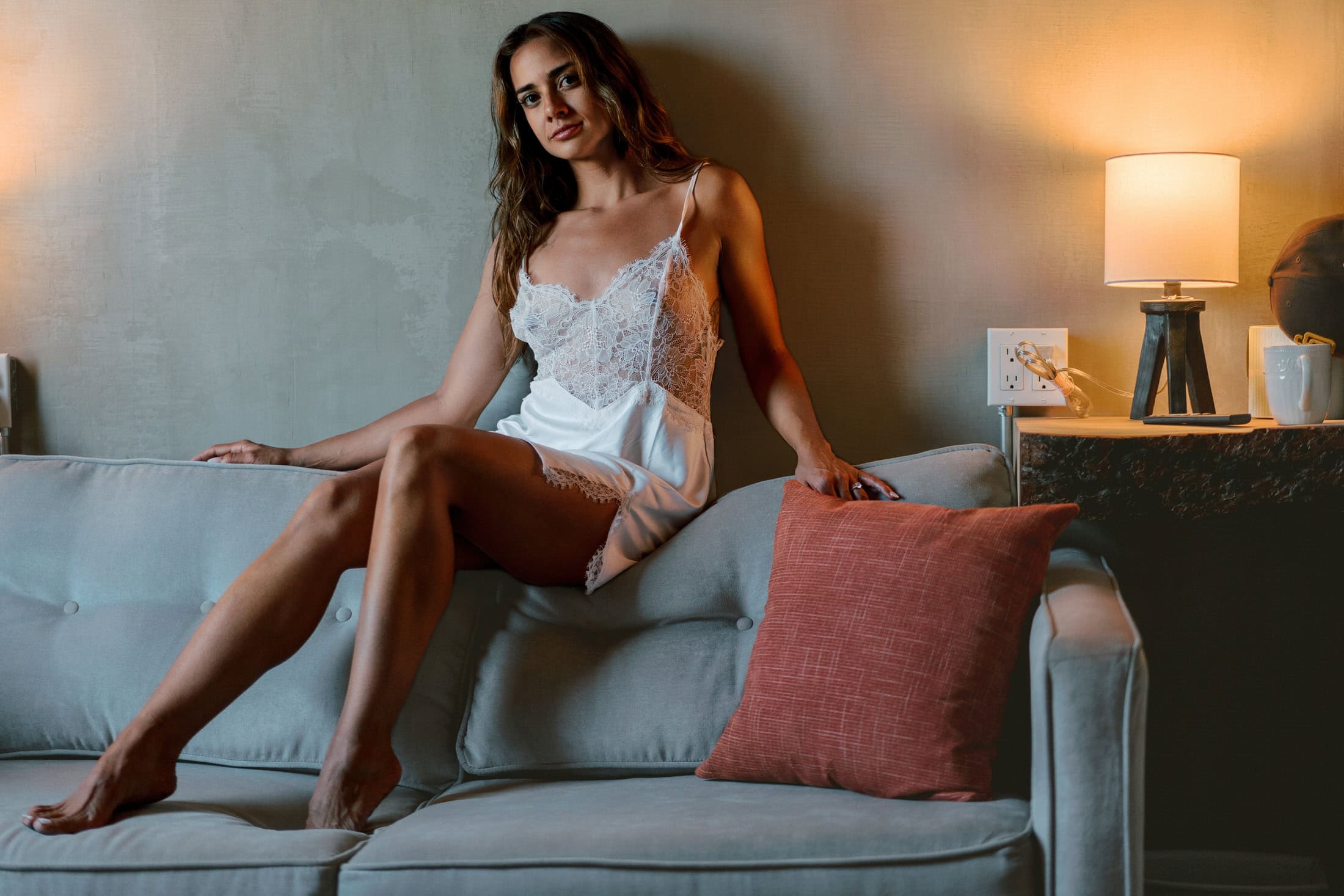
- Natural window light. The body reads in soft, painterly tones. No harsh shadows, no theatrical setup. The window’s geometry sets the photograph’s tonal range.
- The room’s geometry. Bed, window, mirror, doorway — these become the photograph’s compositional spine. The camera works inside the room, not against it.
- Gesture over pose. The hand resting on a collarbone reads quieter than any directed pose. Small gestures carry the photograph; directed poses date it.
- Skin and fabric texture. The photograph rests on skin tone and fabric drape; backgrounds stay simple and tonally consistent. Busy backgrounds compete with the subject.
The practical version: this genre photographs differently from any other portrait work because restraint is the photographic move. The camera does less, on purpose.
How to think about location, styling, and pacing for a boudoir shoot
A session rewards a few decisions made before the shoot — where, how, and how long. None of these are about posing. They’re about giving the camera a clean read on the body in its quietest state.
The practical version, in rough order:
- Location. A room with one large window beats any rented studio for natural-light boudoir. The home you live in often reads truer than a styled set.
- Styling. Solid tones, simple lingerie, a partner’s shirt — minimal, tonally consistent. Busy patterns date the photograph.
- Pacing. A calm two-hour shoot reads cleaner than a rushed thirty-minute one. The body needs time to settle inside the camera’s attention.
- Preparation. The early portion of the session is warm-up. The strongest frames usually arrive in the middle, once the room and the camera have settled.
The practical version: the decisions made before the shoot shape the archive more than any directed pose. The photographer’s job is to read the room and work the light.
How David Josué works a boudoir session
A session photographs differently from a wedding day, but the underlying instinct is the same. The body is comfortable. The camera is quiet. The session breathes.
Before any shoot, I scout the room. I read where the light lands during the working hour, which windows soften it, where the body sits cleanly inside the frame. None of that work is visible to you on the day.
By the time I have a camera out, the choreography is already decided. Not yours — mine. You don’t get a shot list. You don’t pose. You don’t perform for the camera. Most people have spent their adult lives being told to look a certain way for photos, and the body locks the moment a lens points at it. My job is to undo that lock before I make a single frame.
The practical shape of how I work a boudoir session:
- Calm direction. No shot list, no choreography, no performing for the camera.
- Quiet preparation. I read the room’s light and geometry before the session.
- 25+ years. Photographing weddings in Mexico, Europe, and several other countries — same instinct applies to portraits.
- Documental, Signature, and Bespoke collections. Pricing on request, sized to the session you actually want.
A quiet room rewards a photographer who reads the light carefully.
Five years from now
Five years from now, you open a folder. Maybe it’s the anniversary morning. Maybe it’s a random Tuesday and you needed something to hold onto.
The folder works or it doesn’t.
If it works, the morning returns to you — the window light across the bed, your own hand resting where the photograph rests, the room you almost forgot. You’re not looking at pretty pictures of a body. You’re standing in the quiet morning again, the air still carrying the room’s hush.
The archive returns the moment. Not just pictures of it.
If it doesn’t work, the folder is a stranger’s session. The pictures are technically fine. They’re nicely lit. But the morning doesn’t return.
A boudoir session gives a photographer skin, fabric, and a room’s natural light. What the archive keeps depends on how the camera worked the room’s specific tone and the body’s quiet presence.